


 english
 Русский
 Español
 Русский
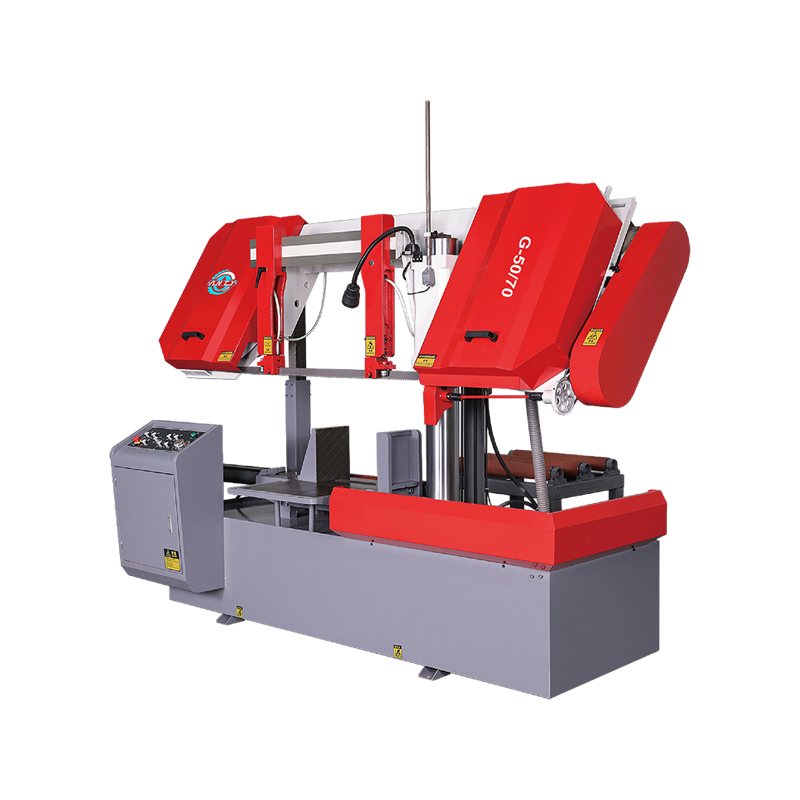
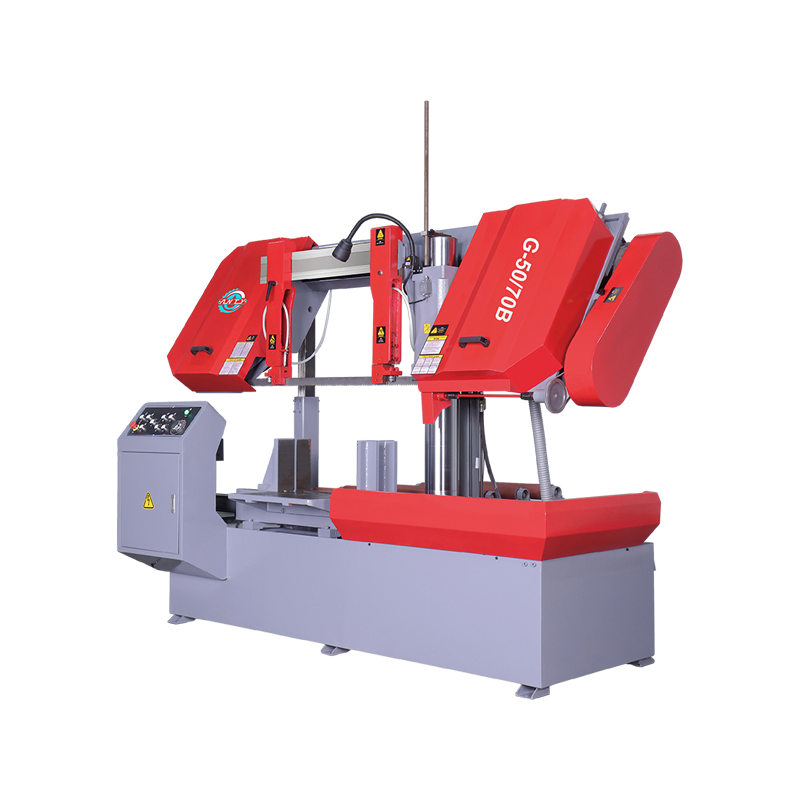
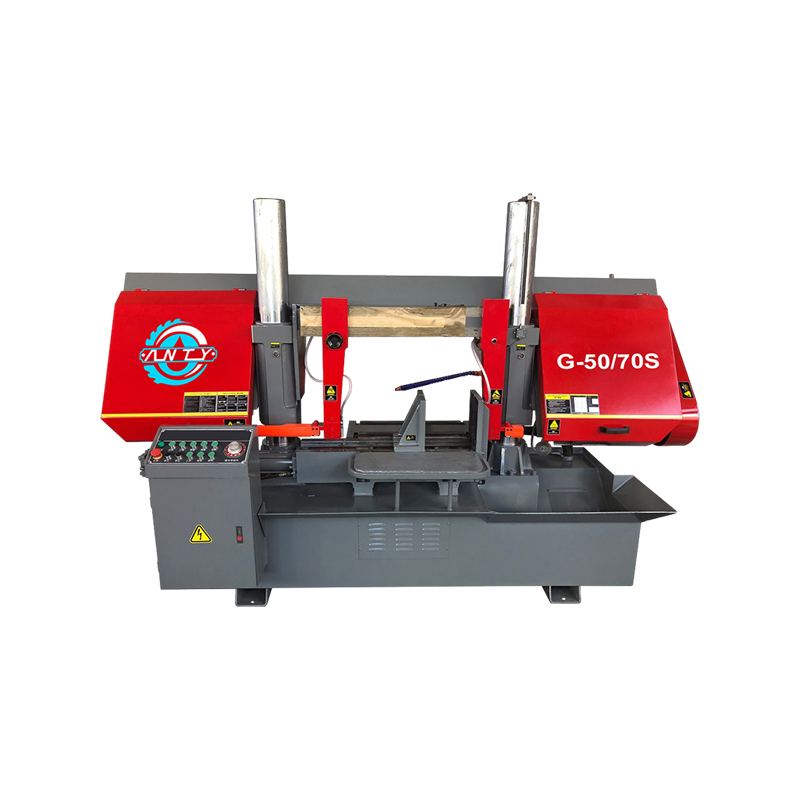
As metal fabrication companies face increasing pressure to control production costs and meet tighter delivery schedules, cutting efficiency has become an important factor in manufacturing operations. Workshops processing steel bars, aluminum profiles, stainless steel tubes, and other metal materials need equipment that can maintain consistent cutting quality while handling repetitive production tasks. Manual and semi-automatic machines may require considerable operator involvement, particularly when processing large batches with different cutting lengths. A CNC full automatic High speed circular sawing machine offers a more integrated approach, combining automated feeding, programmable cutting operations, and controlled material processing to help manufacturers improve workflow efficiency.
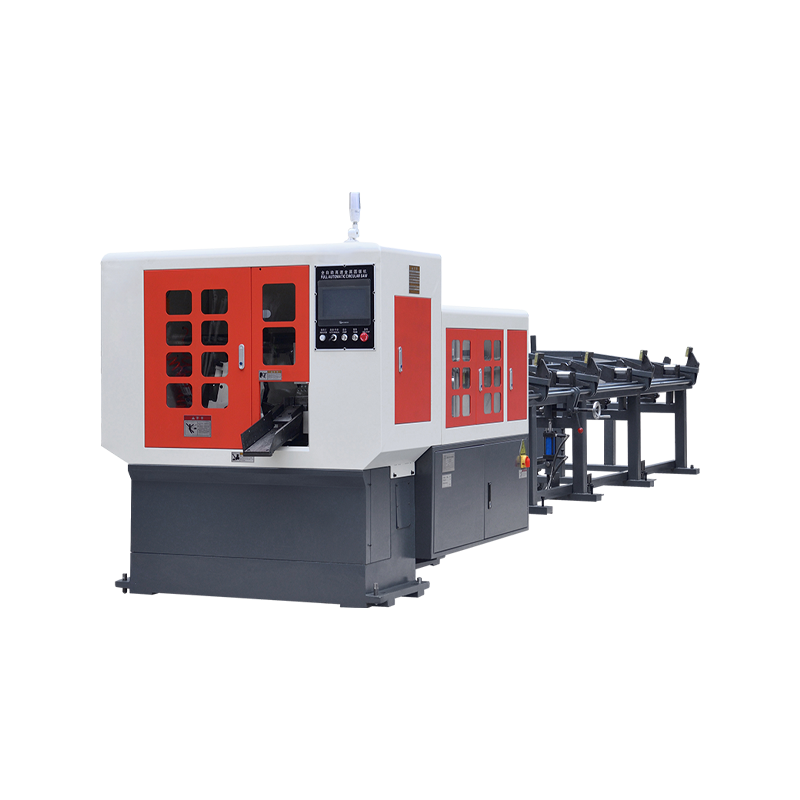
Why Are Metal Fabricators Investing in Automatic Cutting Equipment?
Labor availability, production scheduling, and material waste are ongoing concerns for metal processing businesses. When operators need to repeatedly measure, position, and cut materials manually, small inconsistencies can accumulate across a production batch.
Automatic circular sawing equipment helps reduce repetitive manual operations by coordinating material feeding, positioning, clamping, and cutting through a CNC control system. Once the cutting program is configured, operators can manage repeated production tasks with less manual intervention.
For manufacturers supplying automotive components, steel structures, machinery parts, and industrial equipment, this level of automation can make production planning more predictable. It also allows skilled workers to focus on equipment monitoring, quality inspection, and other production responsibilities.
How Does CNC Control Improve Cutting Consistency?
Cutting accuracy depends on several factors, including material positioning, machine rigidity, blade condition, feed speed, and cutting parameters. An automatic system helps coordinate these elements through programmed operations.
A CNC-controlled circular saw can store cutting dimensions and processing instructions, reducing the need for repeated manual adjustments between batches. Depending on the machine configuration, automatic feeding and positioning systems can also improve consistency when processing materials of different lengths.
For production teams, the main advantages include:
- Programmable cutting lengths: Simplify repeated processing of materials to specified dimensions.
- Automatic material feeding: Reduce manual handling during continuous production.
- Controlled cutting operations: Help maintain consistent processing conditions.
- Repeatable positioning: Support dimensional consistency across production batches.
However, actual cutting tolerances should be confirmed according to the machine model, material characteristics, blade specifications, and operating conditions.
Why Does Blade Selection Matter at High Cutting Speeds?
Increasing spindle speed alone does not guarantee better cutting performance. The saw blade must match the material being processed, and cutting parameters need to be adjusted accordingly.
For example, aluminum alloys and carbon steel have different cutting characteristics. Stainless steel may require particular attention to heat generation, blade wear, and cutting stability. Using an unsuitable blade or excessive feed rate can result in burr formation, poor surface finish, and premature tool wear.
When configuring a high-speed circular sawing machine, buyers should evaluate:
- Blade diameter and tooth geometry.
- Material type and cross-sectional dimensions.
- Recommended cutting speed and feed rate.
- Cooling and lubrication requirements.
- Blade replacement and maintenance accessibility.
As a manufacturer, we recommend selecting the cutting configuration according to the actual production material rather than relying on up to spindle speed as the only purchasing criterion.
Which Industries Benefit from Fully Automatic Circular Sawing?
The application range of automatic metal cutting equipment extends across several manufacturing sectors. Its suitability depends on the workpiece dimensions, material specifications, required cutting accuracy, and production volume.
Common applications include:
- Automotive manufacturing: Cutting metal bars and profiles for structural components and supporting parts.
- Steel fabrication: Preparing steel sections and profiles for fabrication and assembly.
- Machinery production: Processing raw metal materials into components for industrial equipment.
- Aluminum processing: Cutting aluminum profiles for frames, enclosures, and structural applications.
- General metalworking: Supporting repetitive cutting operations for workshops and component manufacturers.
For buyers handling multiple material types, checking the machine's actual cutting capacity is essential before confirming an order.
Can Automation Help Reduce Material Waste?
Material utilization is closely connected to production profitability. In batch cutting operations, incorrect length settings, excessive cutting allowances, and inconsistent positioning can increase material waste.
A CNC automatic cutting system can help improve material control through programmed cutting dimensions and coordinated feeding operations. Some configurations also support optimized cutting sequences, depending on the control system and available software functions.
Manufacturers should consider several details when evaluating material utilization:
- Accuracy of automatic feeding and positioning.
- Minimum remaining material length.
- Blade kerf and cutting allowance.
- Cutting sequence and batch planning.
- Compatibility with different workpiece dimensions.
These factors should be assessed together because material savings depend on the complete cutting process, not simply the automation level of the machine.
What Should Buyers Check Before Purchasing?
Selecting industrial cutting equipment requires more than comparing machine prices or advertised speeds. Overseas buyers should match the machine's technical configuration with their actual production requirements.
It is also advisable to discuss installation requirements, electrical specifications, spare parts availability, operator training, and after-sales technical support with the manufacturer. Requesting sample cutting tests using the buyer's actual materials can provide a clearer understanding of machine performance before investment.
How Can Manufacturers Support Long-Term Production Reliability?
Machine performance is influenced by both manufacturing quality and daily maintenance. Regular inspection of saw blades, clamping components, guide systems, lubrication points, and electrical controls helps identify potential problems before they interrupt production.
As an equipment manufacturer, we focus on matching machine configurations with customers' material processing requirements, production capacity, and automation expectations. Technical communication before production is particularly important for confirming cutting dimensions, feeding methods, and operating conditions.
For metal fabrication companies planning to upgrade their cutting operations, investing in a properly configured CNC full automatic High speed circular sawing machine can support more consistent production, reduce repetitive manual handling, and improve control over material processing. Choosing a manufacturer with suitable technical expertise also helps buyers establish a more reliable foundation for long-term equipment operation.
 CONTACT US

 CONTACT US