


 english
 Русский
 Español
 Русский
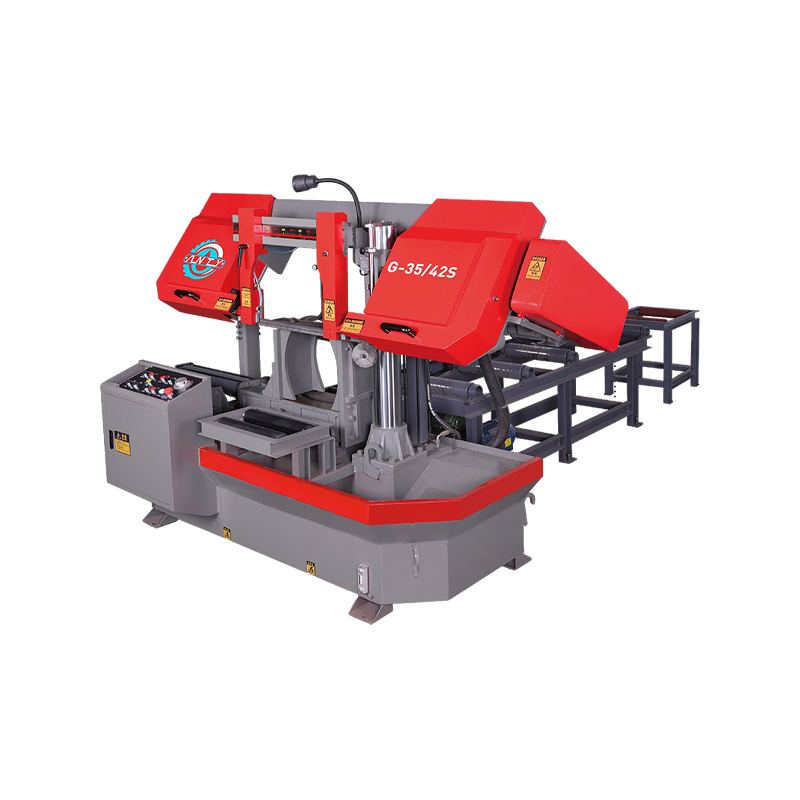
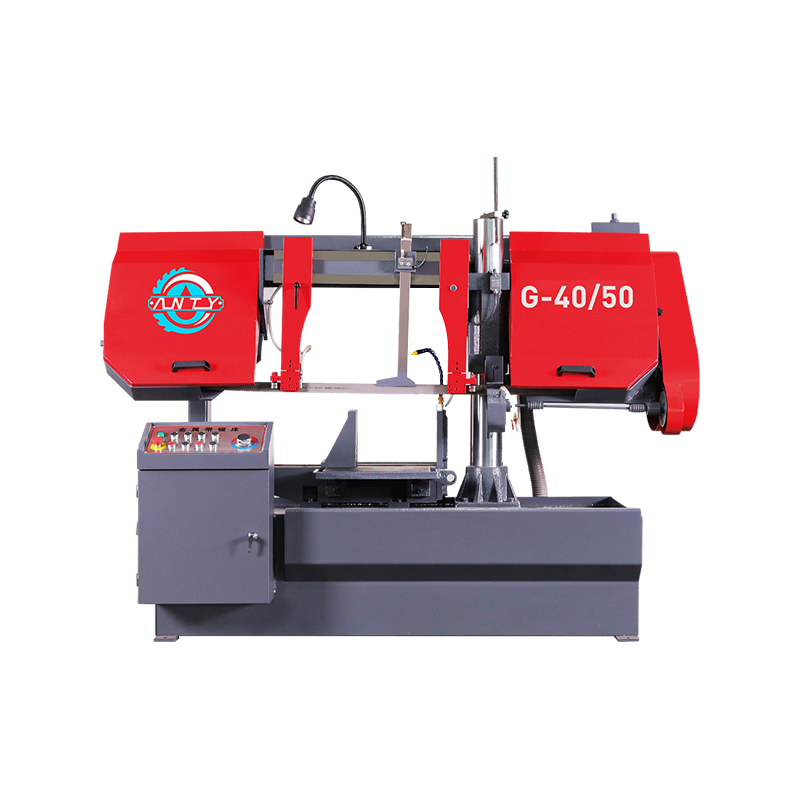
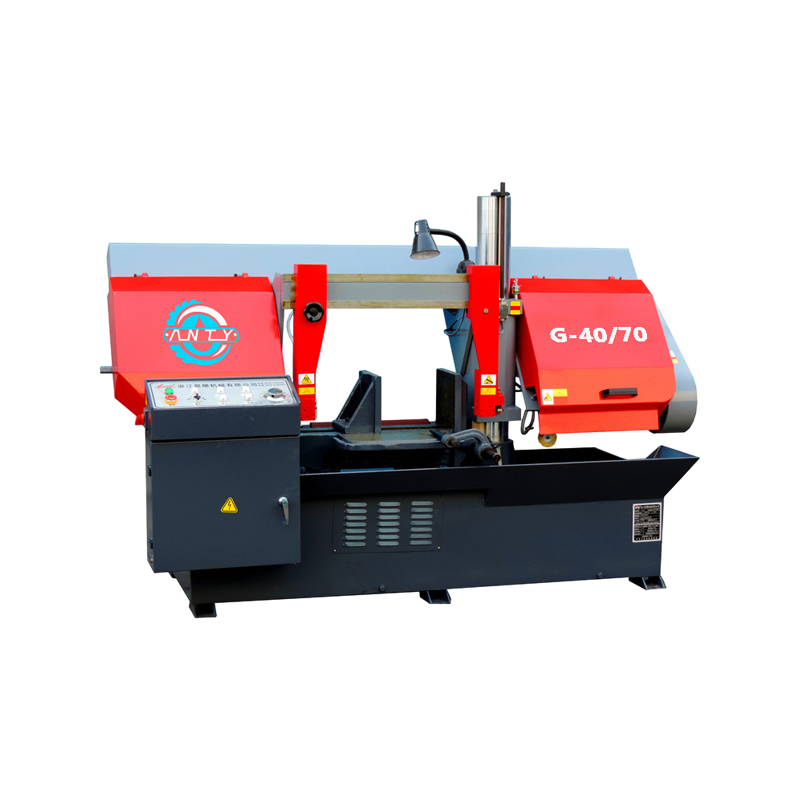
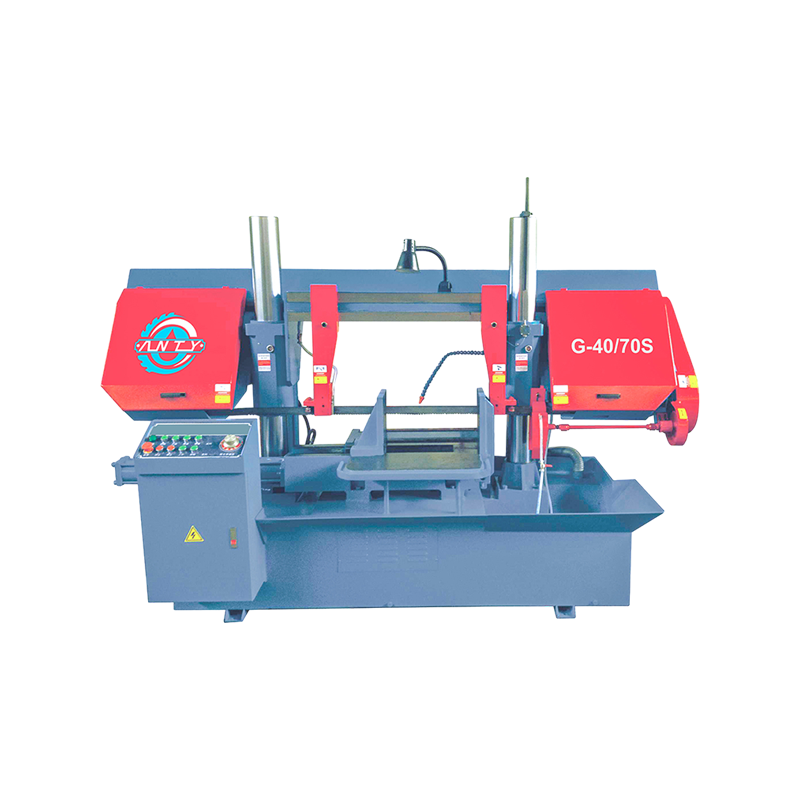
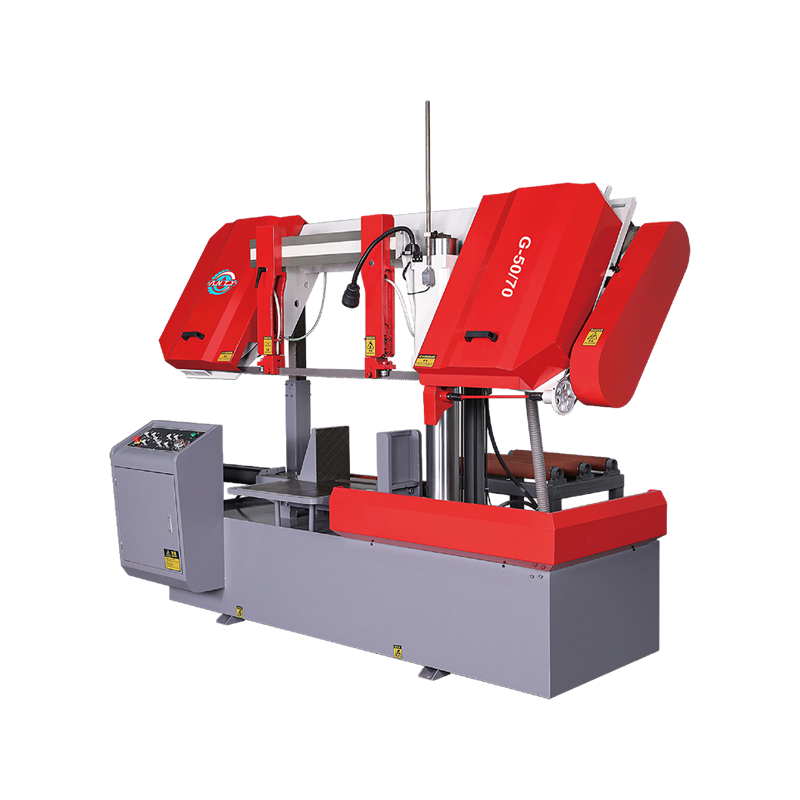
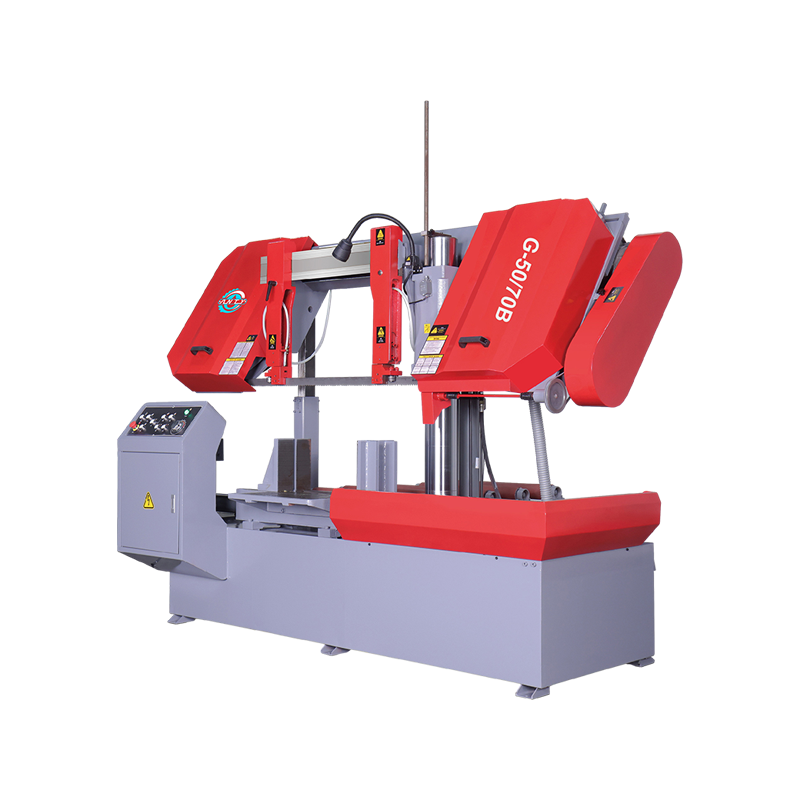
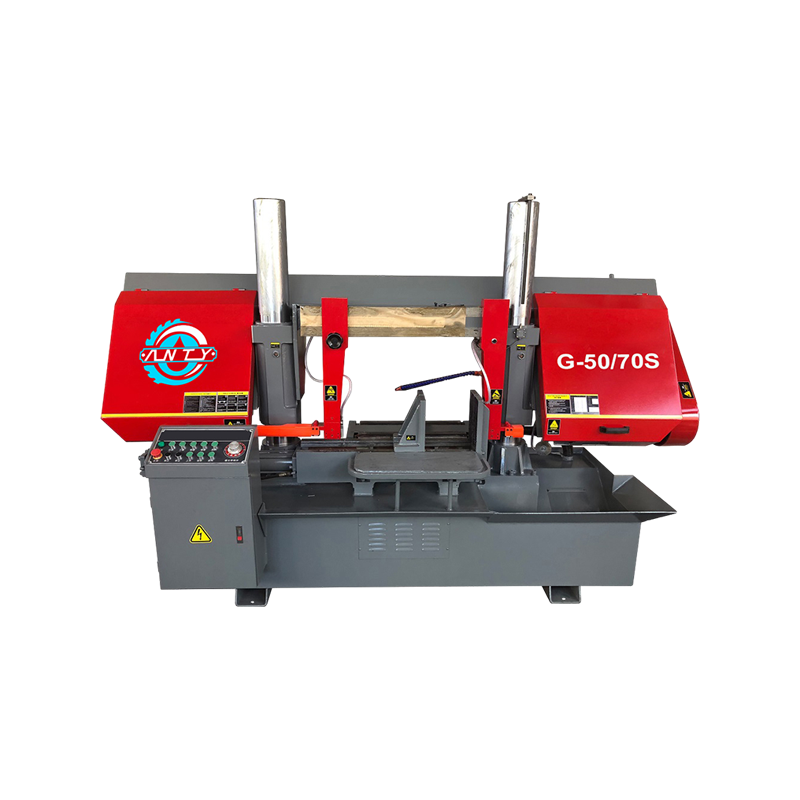
In metal fabrication, cutting accuracy affects almost every process that follows, from machining and welding to fitting and final assembly. When operators work with irregular profiles, plate sections, or materials that require controlled contour cutting, the choice of equipment can influence both production efficiency and material utilization. A Vertical metal band sawing machine offers a practical option for operations that need controlled cutting along a vertical blade path. For overseas buyers, understanding blade selection, workpiece positioning, machine rigidity, and maintenance requirements is essential when choosing equipment for a specific production environment.
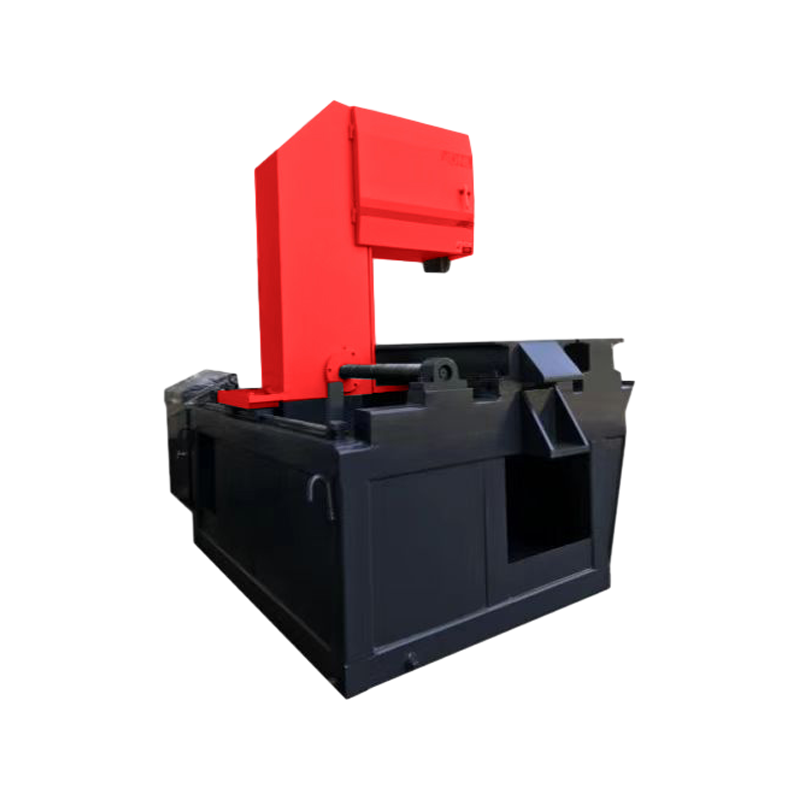
Match the Machine Configuration to the Workpiece
Different metalworking tasks place different demands on a sawing machine. Cutting solid sections, shaping plate materials, and following a curved profile do not necessarily require the same working arrangement. The workpiece dimensions, material type, cutting direction, and required accuracy should guide machine selection.
A vertical configuration can be useful when the operator needs visibility and control over the cutting path. However, the machine's throat capacity, working table, blade dimensions, and available adjustments must suit the intended workpieces. Buyers should provide realistic information about their common material sizes and cutting tasks before comparing models. This helps prevent a mismatch between the machine's capabilities and everyday production requirements.
Blade Selection Has a Direct Effect on Cutting Quality
A suitable blade must match the material being cut as well as the required cutting profile. Blade pitch, width, tooth geometry, and material construction all influence how the blade engages with the workpiece. An unsuitable blade may contribute to rough edges, excessive heat, premature wear, or an unstable cutting path.
For manufacturers, machine design and blade compatibility should be considered together. Buyers should also establish whether their production mainly involves solid metal, thin sections, or varied workpiece shapes. These differences affect the blade configuration and operating approach that may be appropriate.
Rather than relying on one blade for every task, operators should follow the machine and blade manufacturers' recommendations for the material and cutting conditions.
Secure Workholding Supports a More Stable Cut
Even a well-selected blade can produce inconsistent results if the workpiece shifts during cutting. Poor positioning may cause dimensional variation, uneven edges, or additional finishing work. This becomes particularly important when handling small components, narrow sections, or workpieces with irregular shapes.
The machine table and clamping arrangement should allow the material to remain stable without obstructing the intended cutting path. For repetitive work, suitable fixtures can help operators position similar parts consistently. Before production begins, the workpiece should be checked for secure support, adequate clearance, and safe handling throughout the cutting operation.
A Vertical metal band sawing machine should therefore be evaluated not only by its cutting specifications but also by how effectively it supports the actual workpieces used on the shop floor.
Which Factors Should Buyers Compare?
When assessing equipment for a metal fabrication workshop, procurement teams should review the complete working arrangement rather than focusing on a single specification. Important points include:
- Maximum workpiece dimensions and cutting capacity
- Blade width, length, and compatibility options
- Table size, support arrangement, and adjustment range
- Cutting speed control and suitability for intended materials
- Ease of blade installation and routine maintenance
- Safety guards, emergency controls, and operating access
These checks help buyers compare machines according to their intended applications. They also provide a clearer basis for discussing configuration requirements with a manufacturer before placing an order.
Machine Rigidity and Blade Tracking Matter
During cutting, the blade must remain properly aligned while moving through the workpiece. Excessive vibration, incorrect blade tension, worn guides, or misalignment can affect cutting quality and blade life. Machine rigidity helps support stable operation, but correct setup and maintenance remain necessary.
Manufacturers should pay attention to the frame structure, blade-guiding arrangement, adjustment mechanisms, and the accuracy of assembled components. Buyers evaluating a machine can ask how blade tension is adjusted, how guides are accessed, and which routine checks are required before operation.
These practical details are particularly relevant for workshops that switch between materials or cutting tasks throughout the day.
Routine Maintenance Helps Avoid Unplanned Interruptions
Cutting performance can change as blades wear and machine components accumulate metal chips or debris. Ignoring these conditions may advance to rougher cuts, increased blade strain, or unnecessary downtime.
A practical maintenance routine can include:
- Inspecting the blade for wear, damage, and correct tension
- Cleaning chips from the table and blade-guide area
- Checking blade tracking and guide condition
- Confirming that clamping components operate correctly
- Following the recommended lubrication and service schedule
Maintenance requirements vary by machine design and operating conditions, so operators should follow the equipment's instructions rather than applying the same procedure to every model.
Choose Equipment Around the Production Process
The right sawing machine should fit the workpiece range, cutting method, available floor space, and expected production workload. It should also be practical to operate, maintain, and integrate into the existing fabrication process.
For overseas distributors, metalworking workshops, and industrial procurement teams, working directly with a Vertical metal band sawing machine manufacturer can help clarify these requirements before equipment selection. By matching machine capacity with blade configuration, workholding, and maintenance needs, buyers can make a more informed investment in cutting equipment suited to their production goals.
 CONTACT US
 CONTACT US