


 english
 Русский
 Español
 Русский
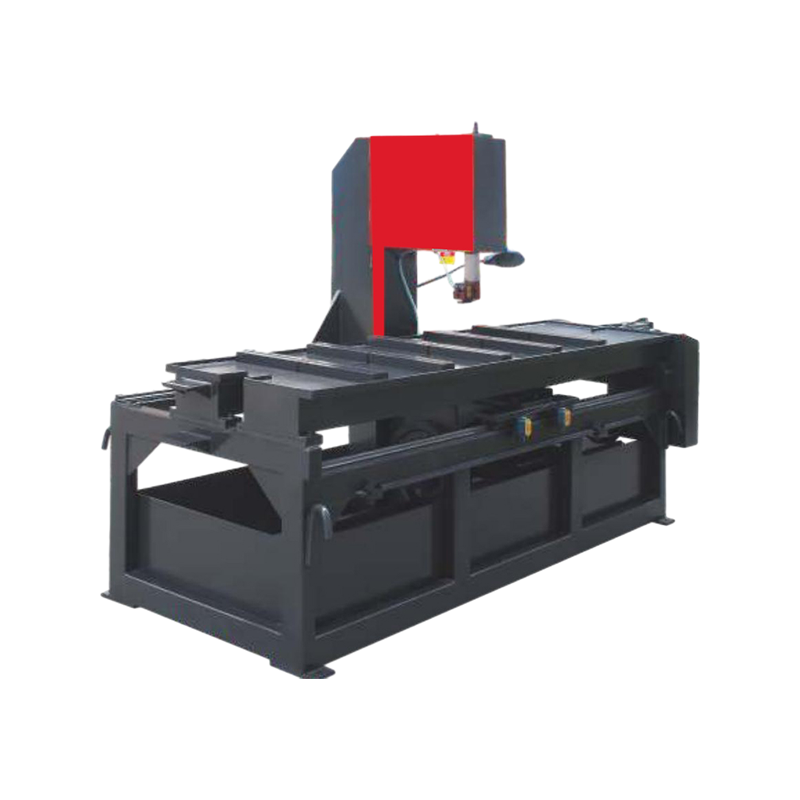
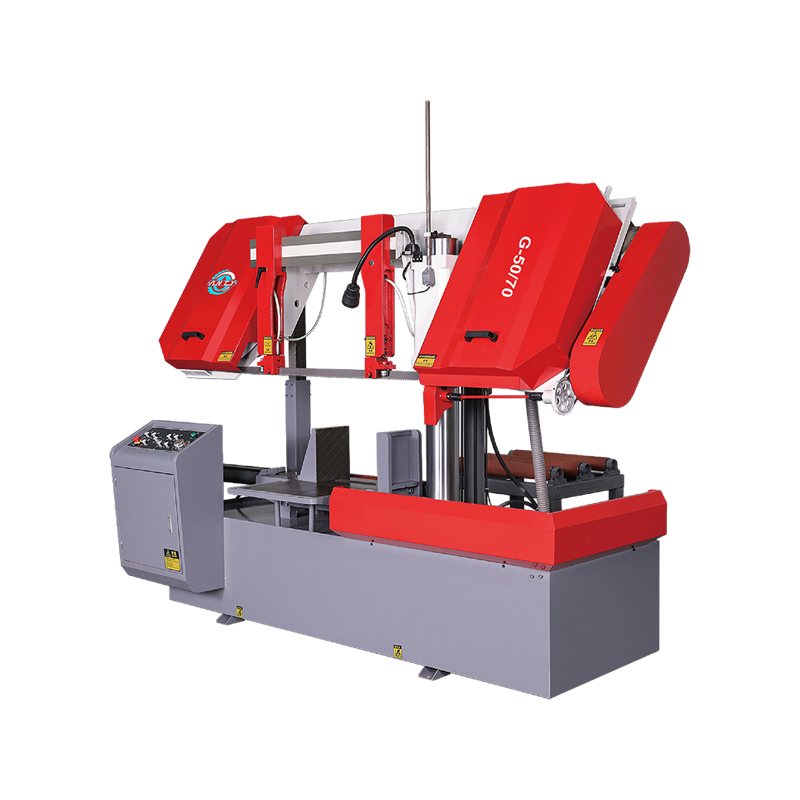
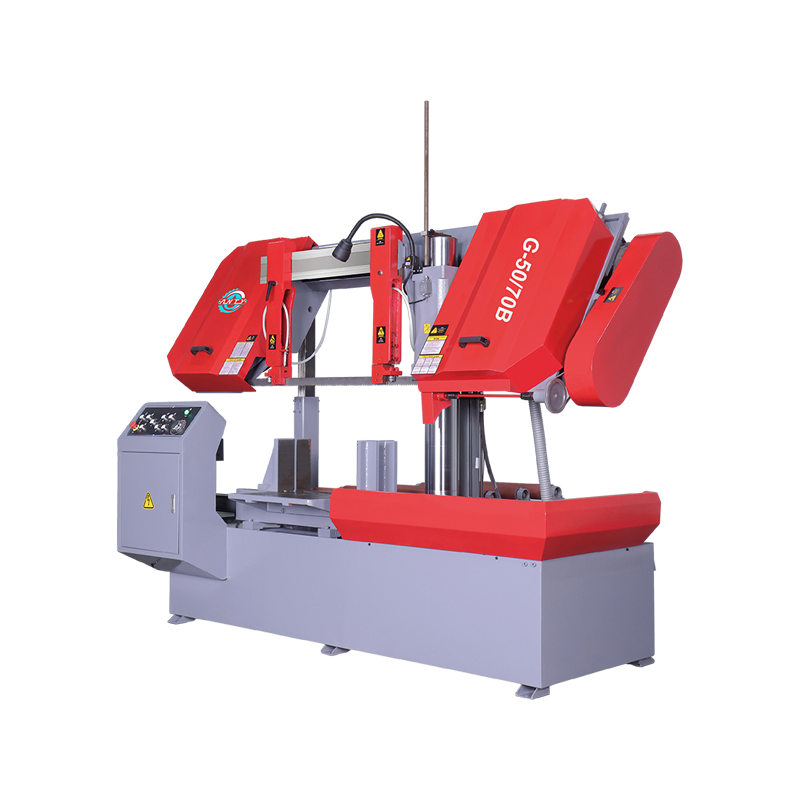
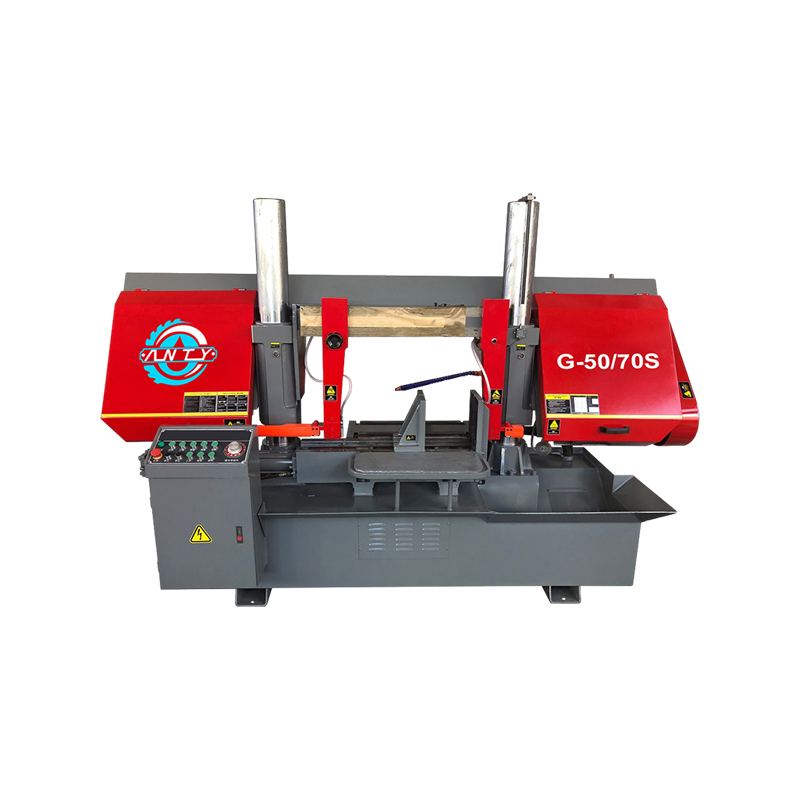
A metal cutting machine needs to be configured correctly before it can deliver consistent results in daily production. Even when a machine has suitable cutting capacity, incorrect blade installation, unsuitable operating settings, or poor workpiece positioning can affect the cutting process. For overseas buyers evaluating a Vertical metal band sawing machine, understanding the setup process helps clarify what should be checked before production begins. Manufacturers also need to consider adjustment accessibility, operating instructions, and the relationship between machine configuration and the intended application.
Confirm the Requirements Before Installation
The setup process should begin with a clear understanding of the work to be performed. Material type, workpiece dimensions, cutting shape, and expected production frequency all influence how the machine should be prepared.
Buyers should provide representative workpiece information rather than relying only on a general description of the application. This allows the manufacturer to assess whether the selected machine configuration is appropriate and identify any additional requirements before delivery.
Confirming these details early can reduce avoidable adjustments during commissioning and help establish realistic expectations for machine operation.
Check the Blade Installation
The blade is a key part of the cutting process, so its installation and condition deserve careful attention. Incorrect blade tension, unsuitable blade selection, or improper tracking can interfere with cutting performance and may contribute to premature wear.
Before operation, users should follow the machine manufacturer's instructions for blade installation, tension adjustment, tracking, and inspection. The blade must be compatible with the intended material and workpiece dimensions.
Manufacturers can support this process by providing clear instructions and making the relevant adjustment points accessible. Buyers should also confirm that operators understand the required checks before starting routine production.
Position the Workpiece Correctly
Workpiece positioning influences both cutting accuracy and operational stability. If material shifts during cutting or lacks adequate support, the resulting cut may not meet the required dimensions or surface expectations.
Before starting a job, operators should check that the workpiece is properly supported and secured using the appropriate workholding arrangement. Long materials may require additional support to prevent unnecessary movement, while irregular components may need suitable fixtures.
A Vertical metal band sawing machine should be evaluated according to the workpieces it will process. Manufacturers need to understand these requirements when recommending a configuration, especially for applications involving varied material sizes or shapes.
Select Suitable Operating Settings
Different materials and cross-sectional dimensions can require different cutting conditions. Using one setting for every job may advance to inefficient cutting or unnecessary blade wear.
Operating parameters should be selected according to the material, blade specification, and machine capabilities. Feed conditions and blade speed should follow the equipment instructions and the requirements of the specific cutting task.
For buyers, it is useful to discuss common materials and representative cutting jobs with the manufacturer before purchase. This helps establish a practical starting point for setup and reduces reliance on trial and error during production.
Inspect the Machine Before Running a Job
A brief pre-operation inspection helps identify problems before they affect the cutting task. The inspection should follow the machine's operating instructions and cover the components relevant to safe, reliable operation.
Common checks may include:
- Confirming that the blade is correctly installed and tracking as intended
- Checking workpiece support and clamping arrangements
- Inspecting accessible fasteners and machine components
- Verifying that guards and other protective devices are in place
- Confirming the required power supply and operating settings
- Ensuring the cutting area is clear of unnecessary materials
These checks should be completed by trained personnel, with the machine stopped and isolated as required by the manufacturer's instructions.
Use Trial Cuts to Verify the Setup
A trial cut can help determine whether the initial setup is suitable for the intended application. Rather than immediately beginning a large production run, operators can examine a representative workpiece and check the resulting dimensions, cut condition, and process stability.
If the result does not meet requirements, the blade condition, workpiece positioning, support arrangement, and operating settings should be reviewed systematically. Changing several variables at once can make it harder to identify the source of a problem.
For manufacturers, understanding how the machine will be tested helps clarify the acceptance criteria before shipment or installation.
Establish a Repeatable Setup Routine
A consistent setup procedure makes it easier to prepare the machine for recurring jobs and identify changes in operating conditions. Recording suitable blade specifications, workpiece arrangements, and approved settings can help operators repeat established processes.
For overseas buyers, discussing commissioning support and operating documentation with a Vertical metal band sawing machine manufacturer is a practical step before placing an order. When setup requirements are understood and checked systematically, the machine is better prepared for its intended cutting tasks, while operators gain a clearer process for starting and maintaining production.
 CONTACT US

 CONTACT US