


 english
 Русский
 Español
 Русский
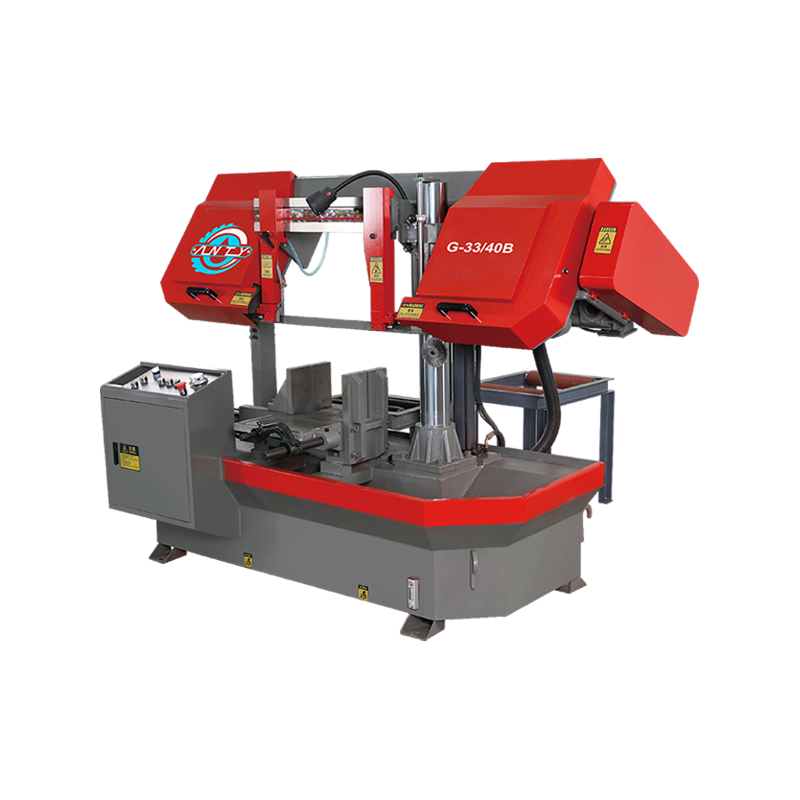
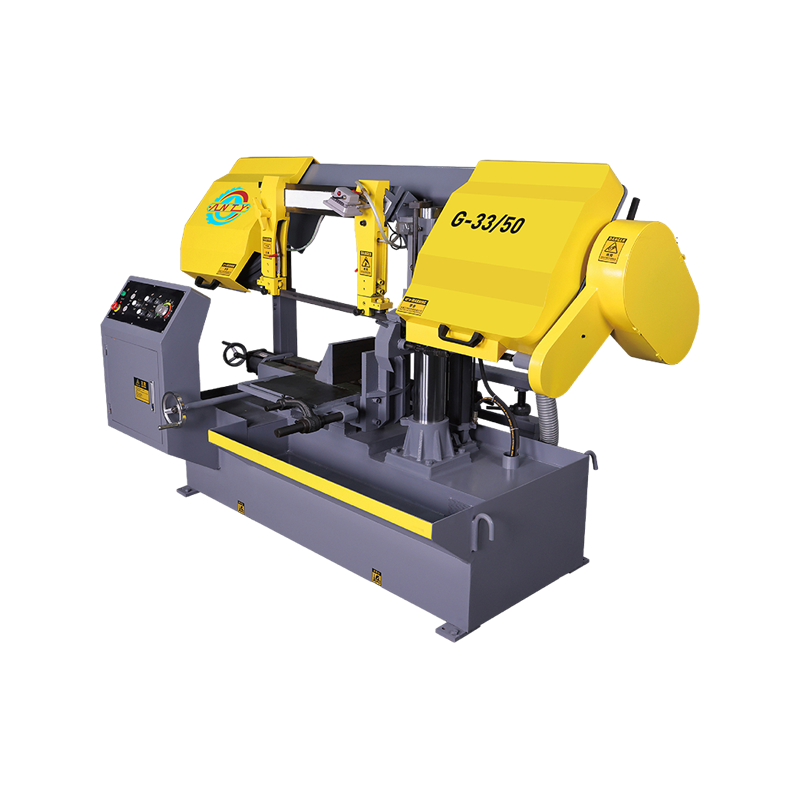
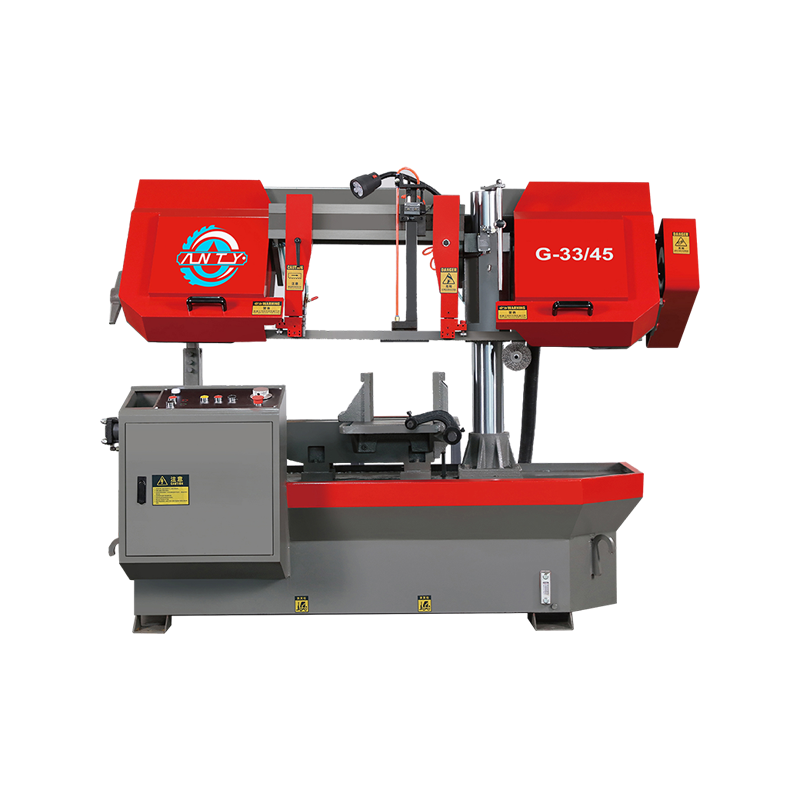
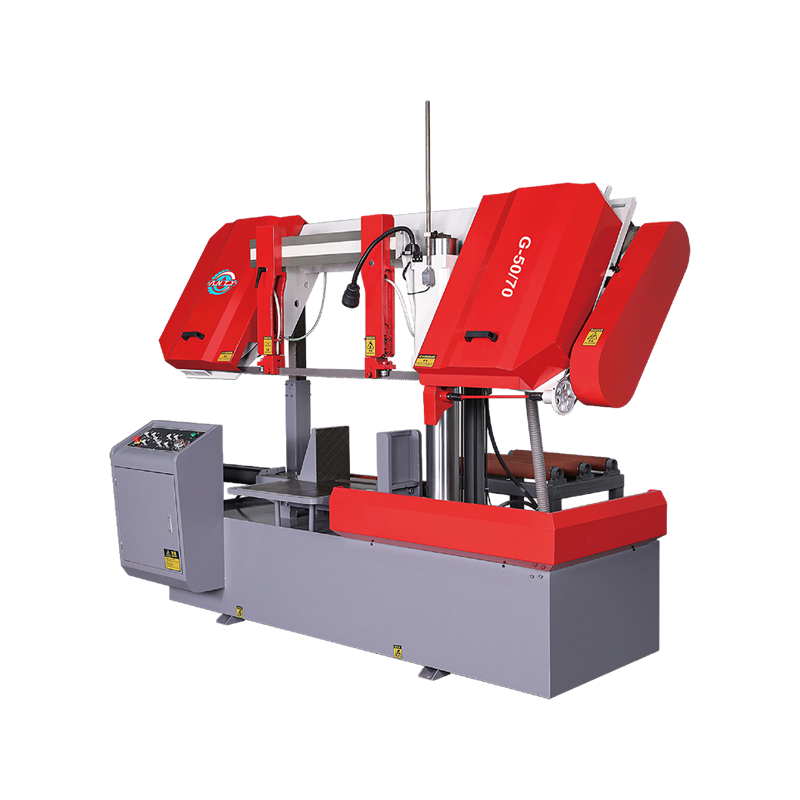
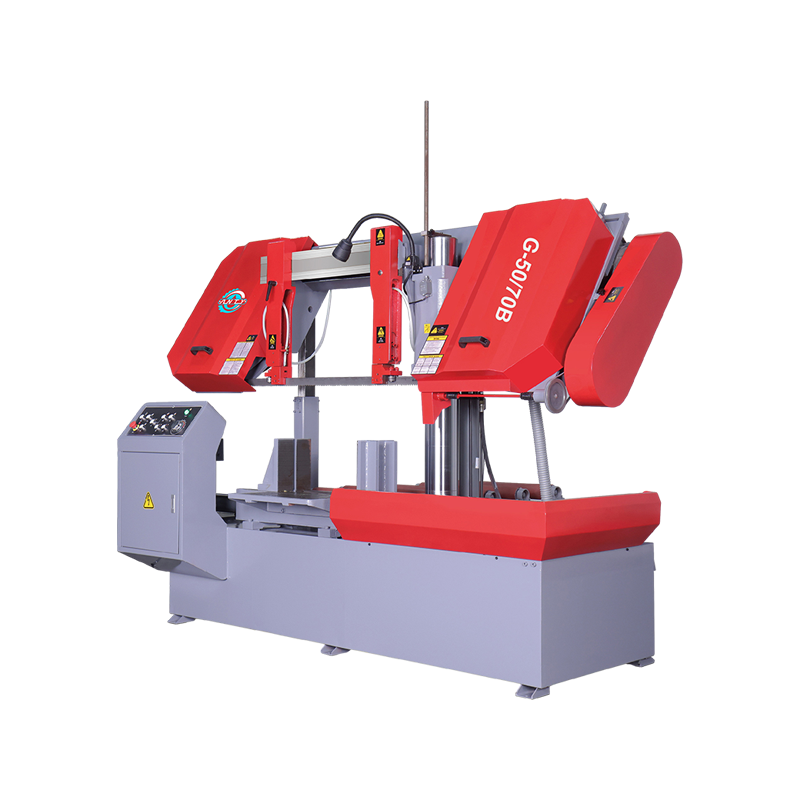
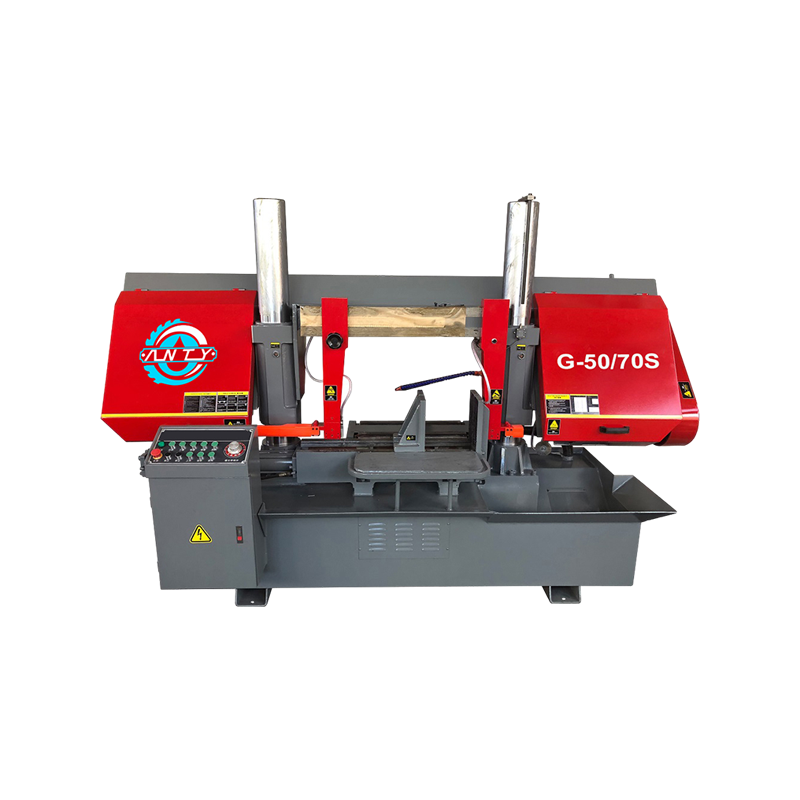
M42 Bi-metal band saw blade and Band sawing machine are often discussed together in metal cutting environments where stable performance and controlled energy consumption matter during continuous operation. In many workshops, attention has gradually shifted from only cutting speed toward how cutting tools interact with machines to influence overall energy demand and operational consistency.
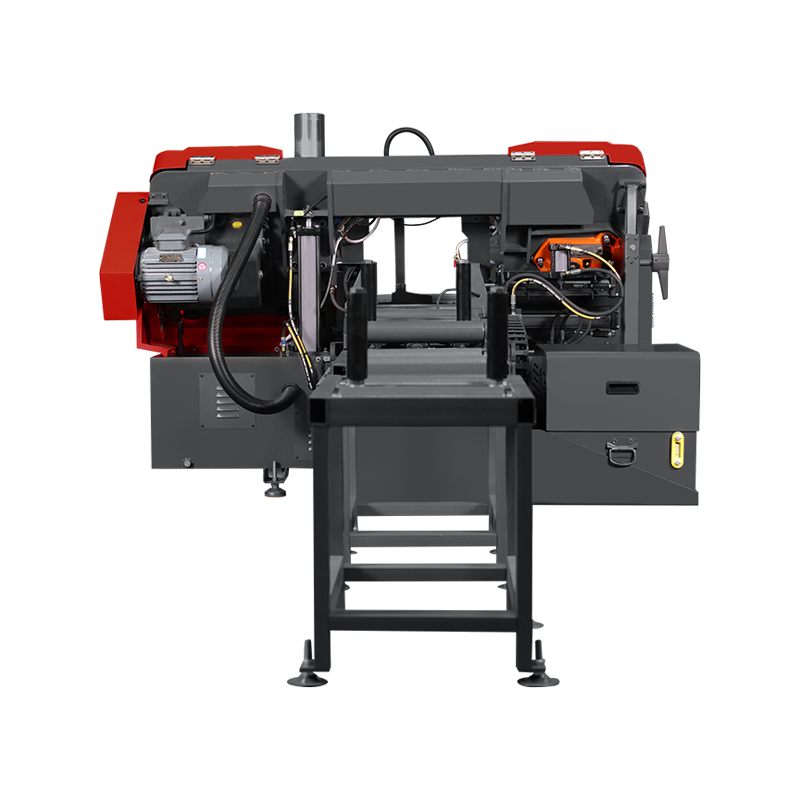
Cutting demand and energy concerns in daily workshop operations
Metal processing workshops rely heavily on Band sawing machine systems for shaping bars, tubes, and structural profiles. Over time, operators have noticed that energy consumption is not only determined by the machine motor itself but also by how the blade behaves during cutting. When a blade experiences rapid wear or inconsistent tooth engagement, the machine compensates through increased load, which often results in higher energy draw and irregular cutting cycles.
Another factor is material diversity. Workshops often process stainless steel, alloy steel, and mild steel in the same production line. This variation creates fluctuating resistance during cutting, and traditional blades may require frequent adjustments. These interruptions affect workflow continuity and can indirectly increase energy usage due to repeated start-stop cycles and prolonged cutting time.
Changes in blade structure and cutting stability
The M42 Bi-metal band saw blade is designed with a dual-material structure combining a flexible backing steel and a high-speed steel edge containing cobalt content. This structure supports consistent cutting engagement even when material hardness changes during operation.
Compared with single-material blades, the bi-metal structure helps maintain tooth integrity over extended cutting cycles. This reduces the frequency of blade replacement and lowers the chance of uneven cutting pressure. When used with a Band sawing machine, the blade can maintain smoother contact with the workpiece, which reduces sudden load fluctuations on the motor.
Key structural characteristics include:
- Heat-resistant tooth edge for continuous cutting conditions
- Flexible backing to absorb vibration during operation
- Uniform tooth geometry for stable chip formation
- Reduced risk of tooth breakage under mixed material cutting
These characteristics contribute to a more stable load pattern on the machine, which can help reduce unnecessary energy spikes during operation.
Application scenarios in different workshop environments
The combination of M42 Bi-metal band saw blade and Band sawing machine is commonly used across various metalworking environments. Each scenario places slightly different demands on cutting stability and tool durability.
In steel processing workshops, the blade is often used for cutting round bars and structural beams where long cutting cycles are required. The consistent tooth structure helps maintain steady feed rates, which supports smoother machine operation.
In fabrication facilities handling mixed small-batch orders, frequent material switching is common. The blade’s adaptability reduces the need for constant parameter adjustments on the Band sawing machine.
In maintenance workshops, where cutting tasks are irregular and involve different metal grades, the blade provides operational flexibility without requiring extensive setup changes.
A simplified overview:
|
Application Area |
Material Type |
Cutting Condition |
|
Steel processing plants |
Carbon & alloy steel |
Continuous cutting |
|
Fabrication workshops |
Mixed metals |
Variable batch cutting |
|
Maintenance facilities |
Irregular metals |
Intermittent operation |
Operational observations and usage data
Workshop usage records from general machining environments show that blade condition directly influences machine workload stability. When comparing traditional carbon steel blades with M42 Bi-metal band saw blade options under similar cutting loads, operators often observe differences in motor load fluctuation patterns.
In one typical medium-scale workshop scenario, cutting 50–80 mm solid steel bars:
- Traditional blade setups required more frequent feed adjustments
- Cutting cycles showed irregular load peaks on the Band sawing machine
- Blade replacement intervals were shorter under continuous use
After switching to bi-metal blade configurations:
- Feed rates became more consistent across cutting batches
- Machine load variation appeared more stable during long runs
- Downtime related to blade wear decreased in regular maintenance cycles
These observations are often linked not only to blade durability but also to how stable cutting resistance is transmitted back to the machine drive system.
Impact on workshop energy behavior and workflow structure
Energy consumption in sawing operations is closely tied to mechanical resistance and operational continuity. When cutting resistance fluctuates, the Band sawing machine motor compensates dynamically, which can result in uneven power usage patterns across production shifts.
The M42 Bi-metal band saw blade contributes to smoother cutting engagement, which indirectly helps stabilize load distribution. This does not eliminate energy variation entirely, but it can reduce abrupt spikes caused by blade instability or inconsistent tooth wear.
From a workflow perspective, more stable cutting behavior also reduces the need for frequent machine stoppage for adjustment. Over time, this can help workshops organize production schedules with fewer interruptions and more predictable cutting cycles.
Technical comparison overview
|
Feature |
Carbon Steel Blade |
M42 Bi-metal Blade |
|
Tooth wear resistance |
Moderate |
Higher |
|
Cutting stability |
Variable |
More consistent |
|
Heat tolerance |
Limited |
Improved |
|
Machine load fluctuation |
Noticeable |
Reduced variation |
|
Maintenance frequency |
Higher |
Lower interval |
 CONTACT US
 CONTACT US