


 english
 Русский
 Español
 Русский
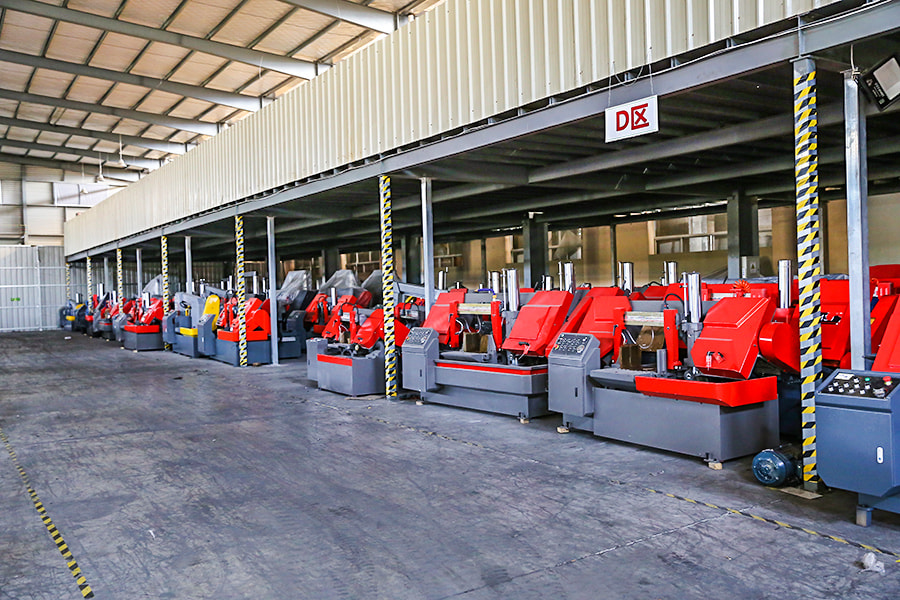
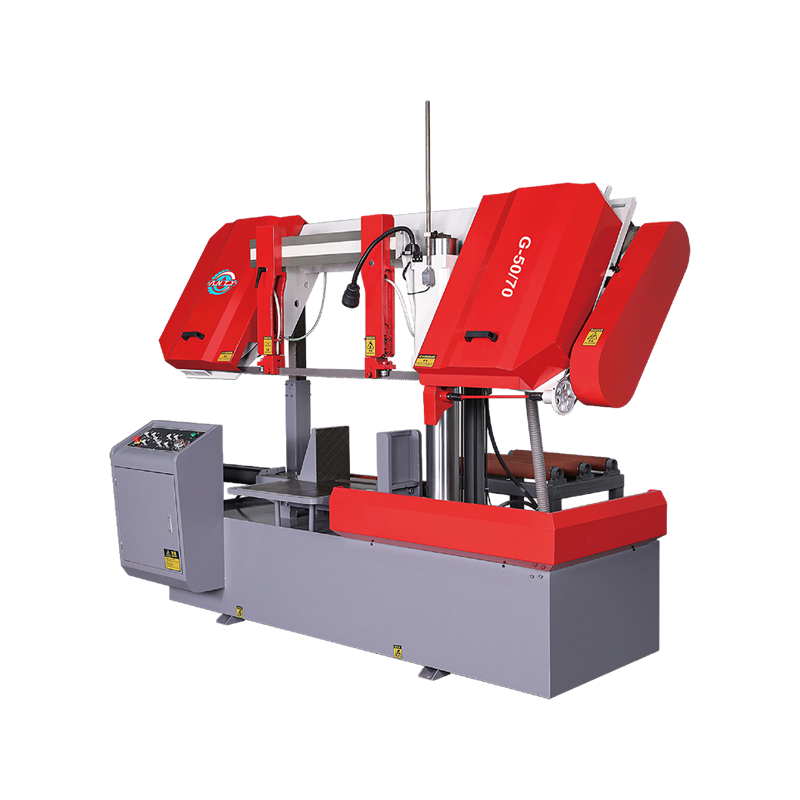
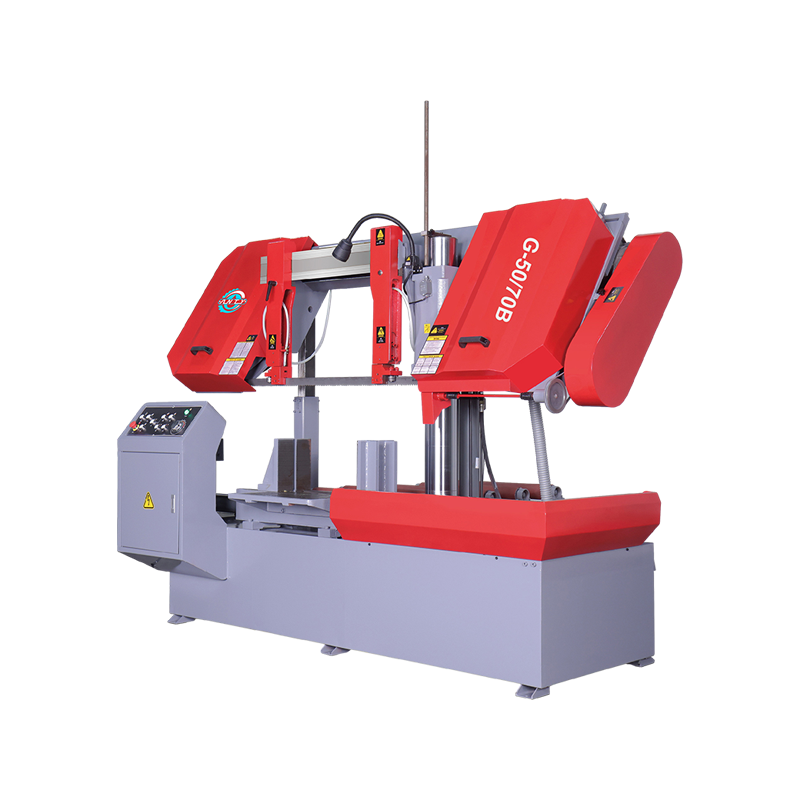
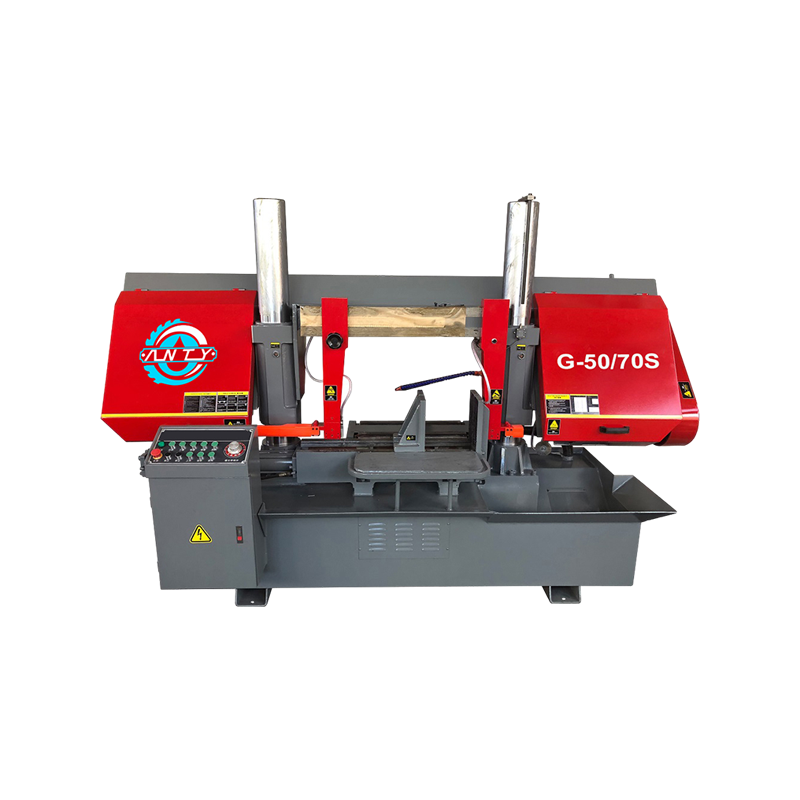
Daily cutting tasks in metalworking shops rarely follow a single pattern. One hour may involve trimming irregular castings, while the next requires preparing material for machining or welding. In this mixed environment, the Vertical metal band sawing machine and the CNC full automatic High speed circular sawing machine often appear side by side, each serving different production needs. Knowing which jobs suit a vertical metal band saw helps workshops allocate tasks more effectively, reduce unnecessary changeovers, and maintain steady workflows without forcing one machine to handle every requirement.
Jobs Involving Irregular Shapes and Profiles
Vertical metal band sawing machines are commonly chosen for jobs where material geometry is not uniform. Unlike straight-line cutting systems, vertical band saws allow the operator to guide the workpiece along curved or angled paths. This makes them suitable for cutting irregular profiles, contours, and internal shapes that would be difficult to handle with fixed-path equipment.
For example, workshops dealing with forged components, flame-cut blanks, or rough castings often need to remove excess material before precision machining. A vertical band saw allows operators to follow the natural outline of the part, producing a usable blank without complex programming. CNC full automatic high speed circular sawing machines, by comparison, are better suited to straight cuts on consistent cross-sections, which makes them less practical for this type of job.
Small-Batch and Custom Cutting Tasks
Not all production runs justify automated setups. When jobs involve small quantities, frequent design changes, or customized dimensions, vertical metal band sawing machines provide a practical solution. Operators can adjust cutting paths and dimensions directly on the machine, avoiding the time spent setting up automated programs for limited runs.
Prototype development is a common example. Engineers and technicians often need sample parts quickly to test fit or function. Vertical band saws allow fast material preparation without interrupting automated cutting lines. This keeps CNC full automatic high speed circular sawing machines focused on repeatable production tasks while custom work is handled separately.
Trimming and Reworking Existing Parts
Rework and trimming are unavoidable in many workshops. Components may require adjustments due to design changes, assembly requirements, or material inconsistencies. Vertical metal band sawing machines are well suited for these corrective tasks because they offer controlled cutting with direct visual feedback.
Operators can remove small sections of material, shorten parts, or adjust edges with precision, even when the workpiece has already undergone other processes. CNC circular saws are generally less flexible in these situations, as they are designed for predefined cutting cycles rather than reactive adjustments.
Preparing Material for Machining Operations
Many machining processes depend on properly prepared blanks. Vertical metal band sawing machines are frequently used to cut raw stock into manageable sizes before milling, turning, or drilling. This preparation does not always require exact final dimensions, but it does require stable cuts that leave enough allowance for machining.
Because band saw blades cut continuously, they apply steady force to the material. This characteristic helps maintain dimensional consistency and reduces distortion, especially when cutting thicker blocks. CNC full automatic high speed circular sawing machines also prepare material efficiently, but vertical band saws offer more flexibility when blank sizes vary or when material shape is not standardized.
Cutting Thick or Solid Materials
Jobs involving thick plates, solid bars, or bundled materials often suit vertical metal band sawing machines. The cutting action of a band blade distributes load over time, which supports controlled cutting through dense sections. Operators can adjust feed rates based on material response, reducing the risk of sudden interruptions.
This makes vertical band saws a common choice for tool steel blocks, large aluminum billets, or non-standard stock sizes. CNC circular saws handle solid materials effectively when dimensions are consistent, but vertical band saws accommodate variations more easily during daily operations.
Low-Volume Angle and Bevel Cuts
Angle cuts and bevels are another area where vertical metal band sawing machines are frequently applied. While some CNC full automatic high speed circular sawing machines can handle angled cuts, setting them up for small quantities may not be efficient.
Vertical band saws allow operators to adjust the table or cutting direction manually, making them suitable for low-volume angle cuts required in fabrication or structural preparation. This approach supports flexibility without committing automated equipment to tasks that change frequently.
 CONTACT US
 CONTACT US