


 english
 Русский
 Español
 Русский
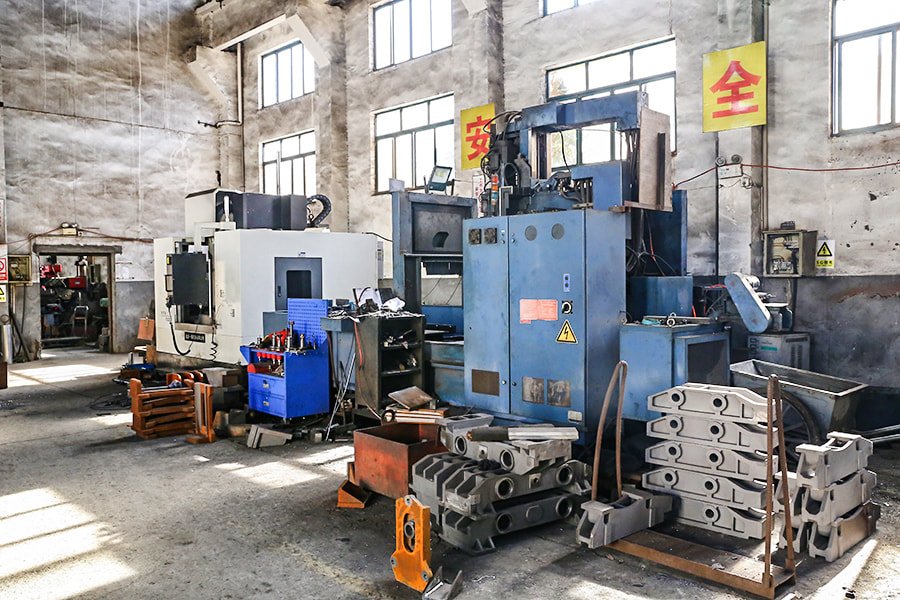
Modern smart factories are reshaping manufacturing workflows with automation, data monitoring, and predictive maintenance. Tools such as the Circular Saw Blade and M42 Bi-metal Band Saw Blade play a key role in these settings, where cutting performance affects both material handling and production efficiency.
Adaptability Across Different Materials
M42 Bi-metal Band Saw Blades are designed to handle a range of metals, including stainless steel, aluminum, and tool steel, without frequent blade changes. Circular saw blades complement these by providing clean cuts on softer metals and wood panels. Smart factory setups often include automated material handling and AI-driven scheduling, where blade performance must remain predictable across multiple tasks. The ability of M42 bi-metal blades to perform consistently across varied materials reduces the number of tool changes and helps maintain continuous operation without manual adjustments, supporting more stable workflows.
Routine Monitoring and Maintenance
- Track blade wear using sensor data integrated with the factory monitoring system.
- Inspect teeth for chipping or deformation during scheduled maintenance checks.
- Maintain proper tension and alignment to prevent irregular cuts or blade drift.
- Record cutting hours and material types for planning replacement cycles.
Routine monitoring ensures that both circular saw and M42 bi-metal band saw blades perform reliably. Data from these checks can be used to anticipate when a blade needs attention, helping maintain steady production without unexpected stops. Maintenance schedules informed by real-time information reduce unnecessary interventions and support workflow predictability.
Integration With Automated Cutting Systems
Smart factories often employ CNC machines or robotic cutting stations, where blade parameters like speed, feed rate, and torque are controlled automatically. Circular saw blades provide straightforward cuts suitable for softer materials, while M42 bi-metal band saw blades handle harder metals and complex shapes. Integration with automated systems allows operators to monitor blade performance remotely and adjust settings based on material type or batch requirements. Sensor feedback can indicate vibration changes, temperature rises, or unusual torque levels, enabling timely adjustments that reduce the chance of material errors or scrap.
Material Efficiency and Workflow Planning
Predictable cutting performance supports better material management. By using M42 bi-metal band saw blades for metals that require consistent cutting, factories can avoid excessive trimming, off-spec parts, or material waste. Circular saw blades complement this by providing clean initial cuts or separating larger panels for subsequent processing. Planning cutting sequences to match blade type with material ensures that production lines run smoothly, reduces idle time between blade changes, and maintains steady output across batches.
Safety and Operational Stability
Integrating circular and bi-metal blades into smart factory systems enhances safety. Sensors can detect abnormal conditions, such as blade binding, overheating, or unusual vibration, and trigger adjustments or alerts. Stable blade performance reduces the risk of accidents related to sudden blade slips or material jams. Operators can focus on supervision, setup, and process optimization, rather than reacting to frequent manual interventions. This controlled environment allows production lines to maintain consistent speed, material handling, and overall operational stability.
Practical Application in Multi-Material Environments
Smart factories often work with diverse materials on a single line, requiring blades that can adapt to different cutting challenges. Circular saw blades can manage soft metals, wood, or composite panels, while M42 bi-metal band saw blades address harder metals or intricate profiles. Coordinating the use of both blades allows operators to maintain steady production flow, reduce tool wear, and plan maintenance around material changes. Sensor data and automated scheduling ensure that blade selection aligns with each task, supporting predictable cut quality and efficient resource use throughout the factory.
Adoption of M42 bi-metal band saw blades in smart factories reflects their ability to meet practical needs in automated environments. When combined with circular saw blades, they provide flexible cutting options for diverse materials, support data-driven maintenance and monitoring, and enhance safety through predictable operation. Attention to blade selection, routine upkeep, and integration with automated systems allows factories to maintain smooth production, efficient material use, and consistent output across complex workflows, while reducing interruptions caused by tool changes or manual adjustments.
 CONTACT US
 CONTACT US