


 english
 Русский
 Español
 Русский
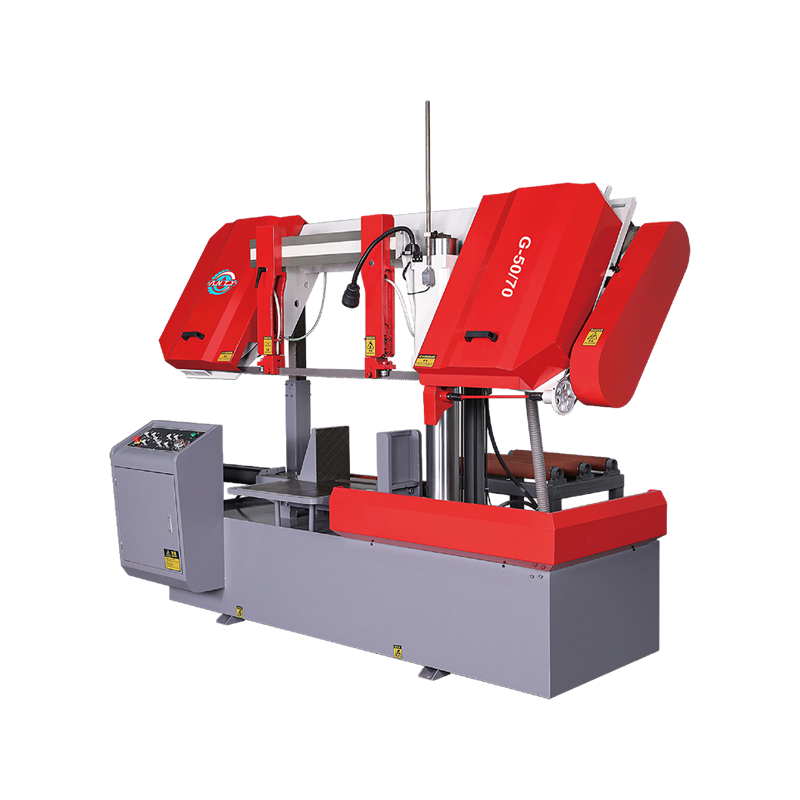
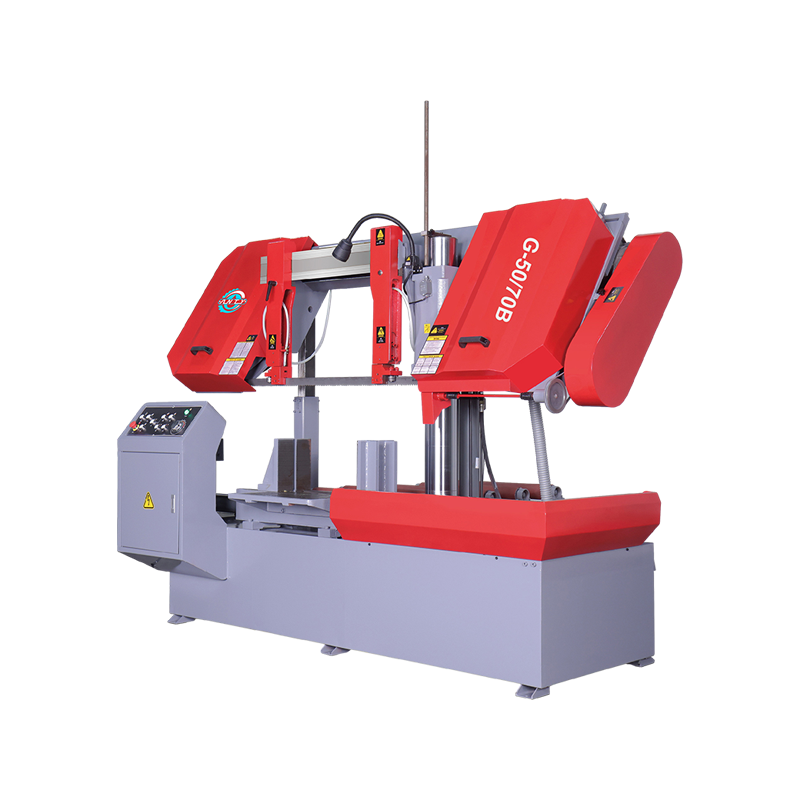
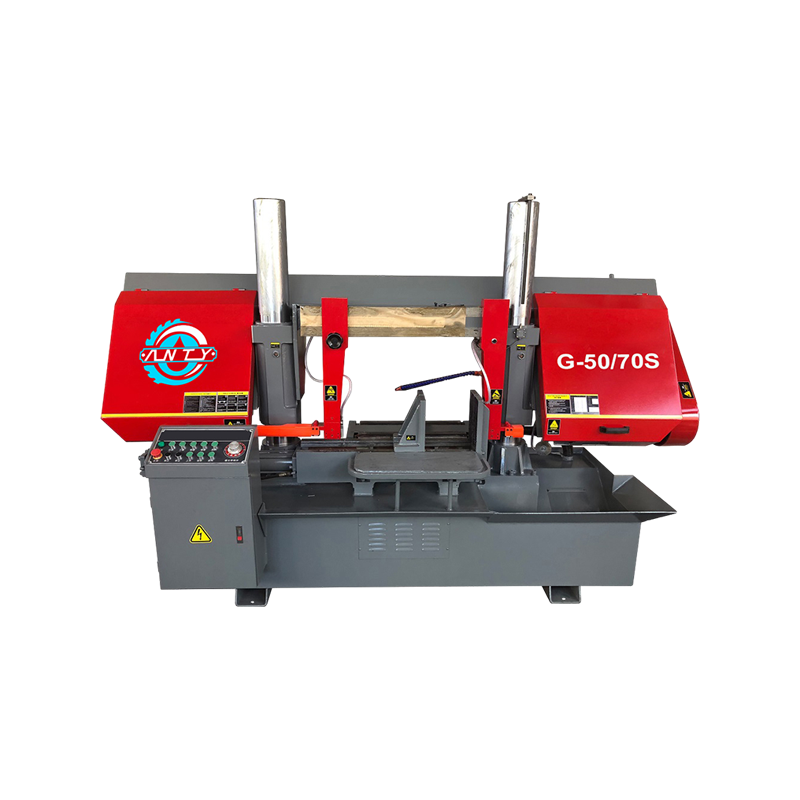
Metal fabrication workflows often rely on the M42 Bi-metal band saw blade paired with Band sawing machine to support controlled cutting across different metal types and thickness ranges. The interaction between blade material structure and machine motion plays a central role in maintaining stable cutting behavior during continuous production tasks.
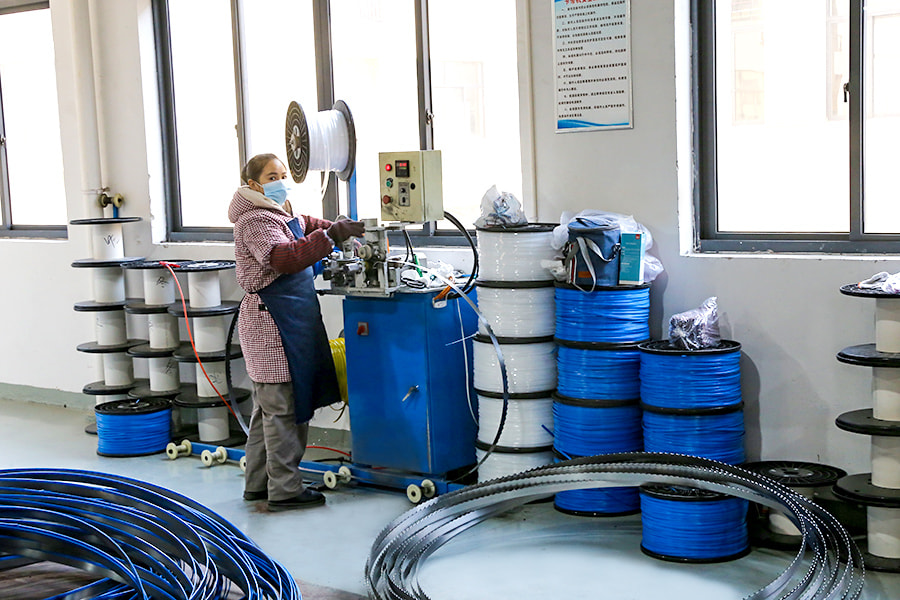
Challenges in modern metal cutting processes
In many fabrication workshops, operators deal with a wide range of materials such as carbon steel, stainless steel, alloy steel, and non-ferrous metals. Each material responds differently during sawing, especially when hardness and section size vary. A common challenge appears when cutting conditions shift frequently within a single production cycle, requiring consistent feed control and stable blade engagement.
Another factor is dimensional consistency. When batch processing metal profiles, small deviations in cutting angle or feed rate can accumulate into measurable differences in finished parts. These variations may affect later assembly steps, especially in pipe systems, structural frames, and mechanical components. Heat generation at the cutting zone is also a concern, as it can influence surface condition and blade wear behavior over time.
To handle these variables, workshops often combine machine control settings with blade selection strategies, ensuring that both mechanical movement and cutting interface are aligned with the material requirements.
Blade structure and machine coordination in cutting operation
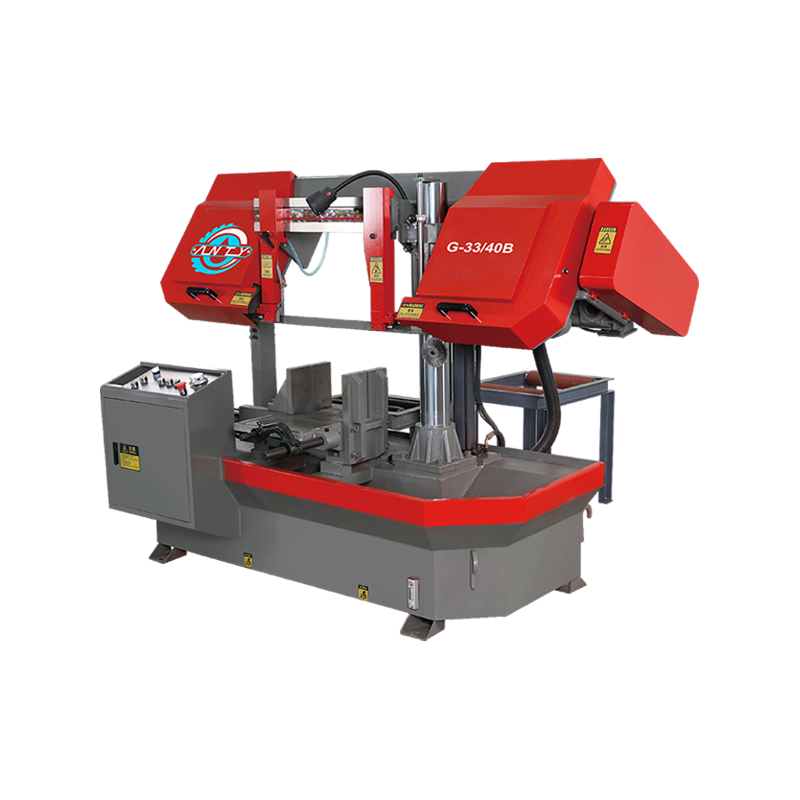
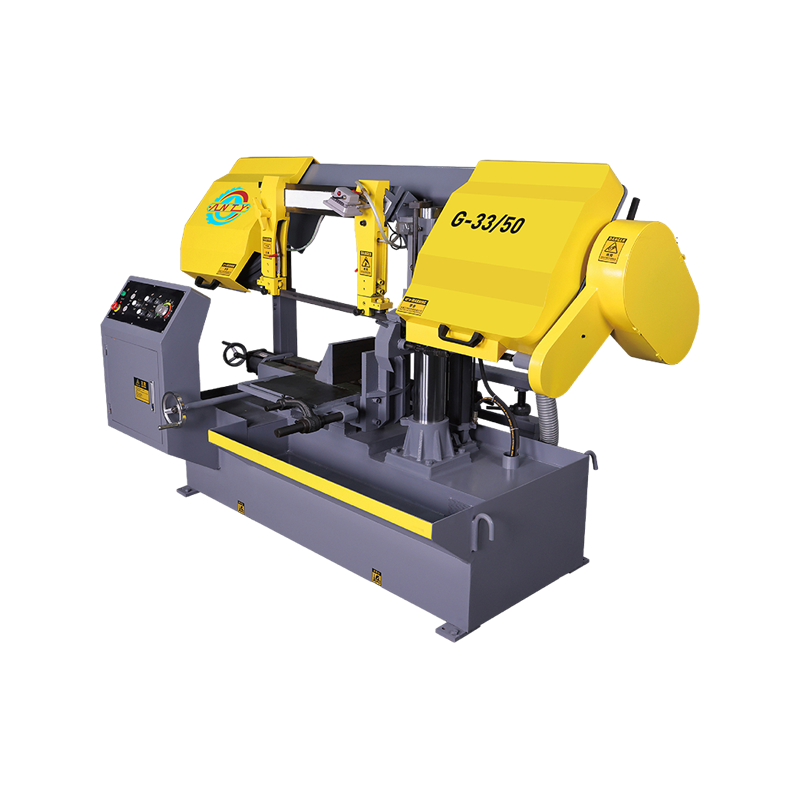
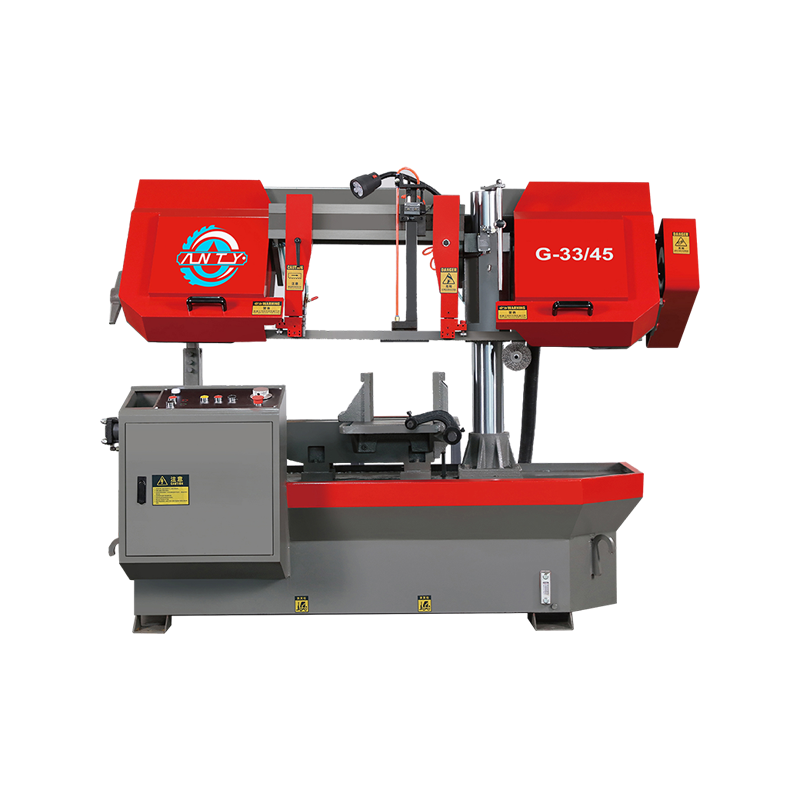
The performance of a Band sawing machine depends not only on its mechanical frame but also on how it interacts with the selected cutting blade. The M42 Bi-metal band saw blade is commonly used due to its composite structure, where the tooth edge and backing material serve different mechanical roles during cutting.
The machine provides controlled feed movement and stable blade guidance, while the blade manages cutting resistance and heat distribution along the tooth line. When these two elements work together, several operational aspects become more manageable:
- Feed rate adjustment can be maintained within a consistent range during long cutting cycles
- Blade tracking stability is supported through guided wheel alignment
- Cutting pressure distribution becomes more even across different material thicknesses
- Surface finish variations are reduced when parameters remain steady
- Tool wear patterns can be observed more predictably for maintenance planning
Instead of relying on a single parameter, operators adjust machine settings in coordination with blade selection to match specific material groups and cutting requirements.
Application areas across metal processing environments
The combination of M42 Bi-metal band saw blade and Band sawing machine is used in a variety of fabrication environments where repetitive and batch cutting is required. In steel processing workshops, it is often applied to cut structural profiles such as H-beams, square tubes, and round bars. These materials require stable feeding and controlled blade engagement to maintain consistent length tolerances.
In mechanical manufacturing facilities, the setup is commonly used for preparing raw stock materials before turning, milling, or welding processes. Here, pre-cut accuracy affects downstream machining time and alignment accuracy. For maintenance and repair workshops, the system supports flexible cutting of replacement parts, where material types may vary frequently within a single workday.
Additional application contexts include:
- Pipe fabrication lines where section uniformity is required for welding joints
- Automotive component preparation involving alloy steel blanks
- General metal supply distribution centers handling mixed material cutting orders
- Tooling workshops preparing semi-finished blanks for further shaping
Across these environments, the interaction between blade selection and machine control remains central to maintaining stable processing routines.
Observed operational patterns in workshop usage
In a mid-scale metal fabrication workshop, a set of cutting trials was conducted using a Band sawing machine equipped with M42 Bi-metal band saw blade on different steel grades ranging from mild steel to medium-hard alloy steel. The trial focused on comparing feed consistency, cutting time per piece, and surface condition across repeated cycles.
Results from the observation showed that:
- Cutting speed variation between similar-sized workpieces stayed within a narrow range when machine feed settings were kept consistent
- Blade tracking required minor adjustment after extended operation periods rather than frequent correction
- Surface roughness differences between initial and later cuts were relatively small under stable lubrication conditions
- Operator intervention was reduced during continuous batch processing compared to mixed-material cutting without standardized settings
While these observations are specific to the tested environment, they reflect how coordinated machine and blade usage can influence workflow stability in practical production scenarios.
Practical considerations in daily operation
Operators working with Band sawing machine systems often adjust several parameters depending on the material being processed. Blade tension, guide alignment, and feed speed are typically reviewed at the beginning of each production cycle. The M42 Bi-metal band saw blade is selected based on material hardness and expected cutting duration.
Common operational considerations include:
- Ensuring proper blade installation to avoid lateral deviation during cutting
- Matching tooth pitch with material cross-section to reduce irregular cutting resistance
- Monitoring coolant flow to manage heat accumulation at the cutting zone
- Inspecting guide rollers for wear to maintain consistent blade tracking
- Scheduling blade inspection intervals based on cutting volume rather than fixed time periods
 CONTACT US
 CONTACT US