


 english
 Русский
 Español
 Русский
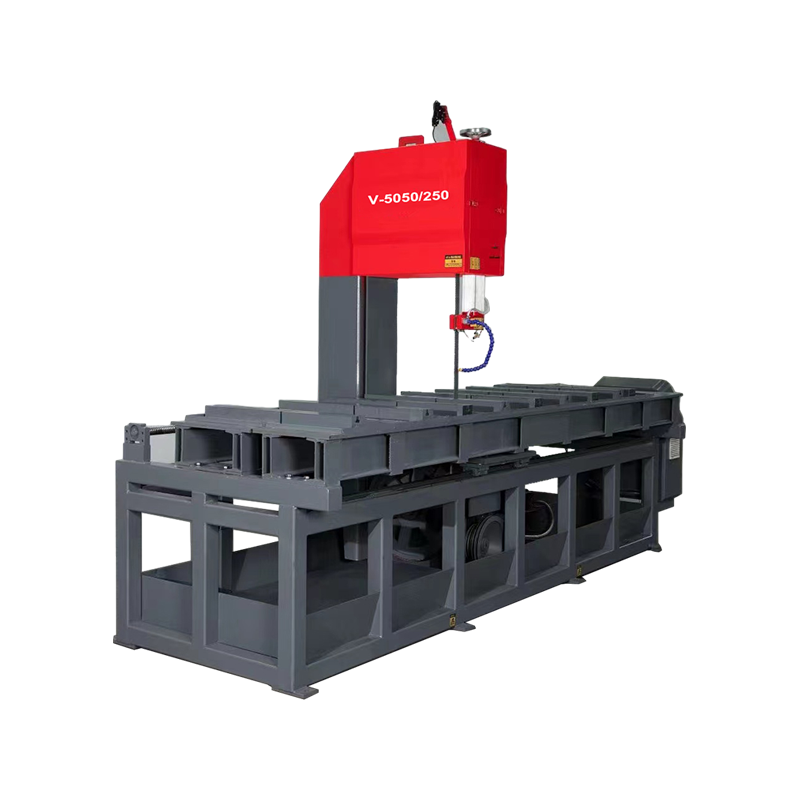
Material waste is a practical concern for metal fabrication businesses, especially when raw materials are expensive or workpieces must meet specific dimensional requirements. Poor cutting plans, unstable workpieces, unsuitable blade choices, and inconsistent operating methods can all advance to avoidable rework. A Vertical metal band sawing machine can support controlled cutting operations, but achieving better material utilization also depends on how the equipment is configured and used. For overseas buyers, understanding these factors helps identify machinery that fits the real demands of production.
Plan the Cutting Sequence Before Starting Work
Cutting efficiency begins before the blade touches the material. When operators arrange cutting tasks without considering workpiece dimensions or the order of operations, usable material may be left over in shapes that are difficult to reuse.
A clear cutting plan should account for the dimensions of the incoming stock, the required finished sizes, and the intended use of remaining material. For workshops processing multiple components from the same stock, organizing similar cutting tasks can also reduce repeated adjustments.
Manufacturers should help buyers understand the machine's working capacity and practical limitations so that production teams can develop cutting plans around the actual equipment rather than relying on assumptions.
Blade Selection Influences the Finished Cut
The blade must suit the material type, section thickness, and cutting requirements. An unsuitable tooth pitch or blade width may contribute to rough edges, excessive wear, or an unstable cutting path. These problems can create additional finishing work and may reduce the usable dimensions of a component.
A Vertical metal band sawing machine should provide blade compatibility appropriate to its intended applications. Buyers should confirm the supported blade dimensions and understand the adjustment procedures required for different cutting tasks.
Blade selection should also consider the shape of the workpiece. Solid sections and thin-walled profiles may respond differently during cutting, so operators should follow the recommended setup for the material being processed.
Workpiece Positioning Helps Maintain Dimensional Accuracy
A workpiece that shifts during cutting can produce inconsistent dimensions or an uneven edge. Even when the initial cut appears acceptable, dimensional variation may create difficulties during subsequent machining, welding, or assembly.
The machine table, clamping arrangement, and available working space should allow operators to position material securely. For repeated production, suitable fixtures and clearly defined positioning procedures can help maintain consistency between parts.
Before starting a cut, operators should verify that the workpiece is supported, the cutting path is clear, and the material is secured according to the machine's operating instructions. These checks are particularly important when processing irregular sections or components that are difficult to hold.
Which Machine Details Should Buyers Evaluate?
Procurement teams should compare equipment according to the cutting tasks it will perform, not simply its general appearance or advertised capacity. Useful evaluation points include:
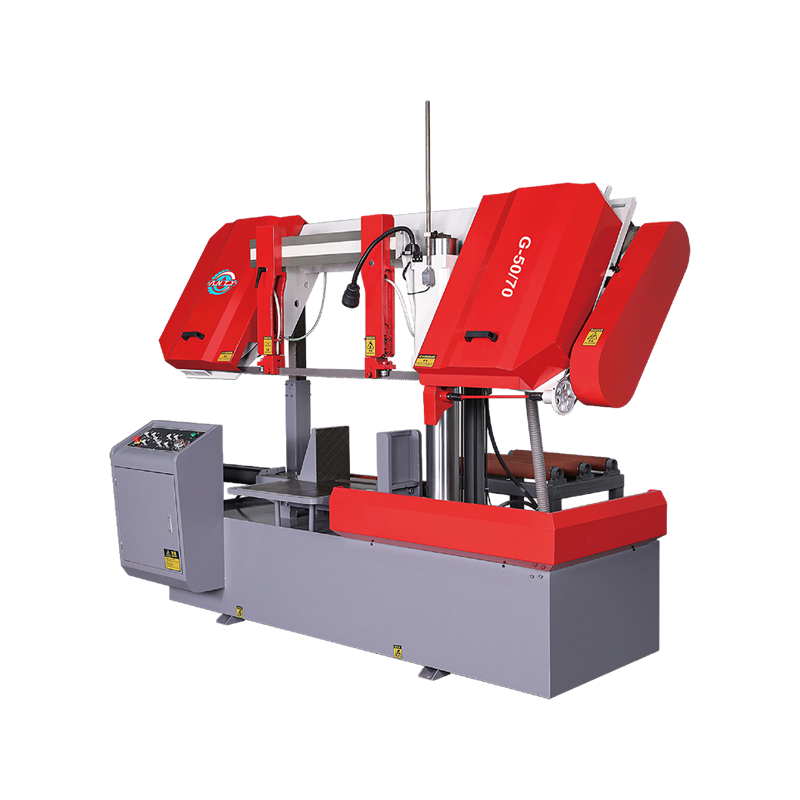
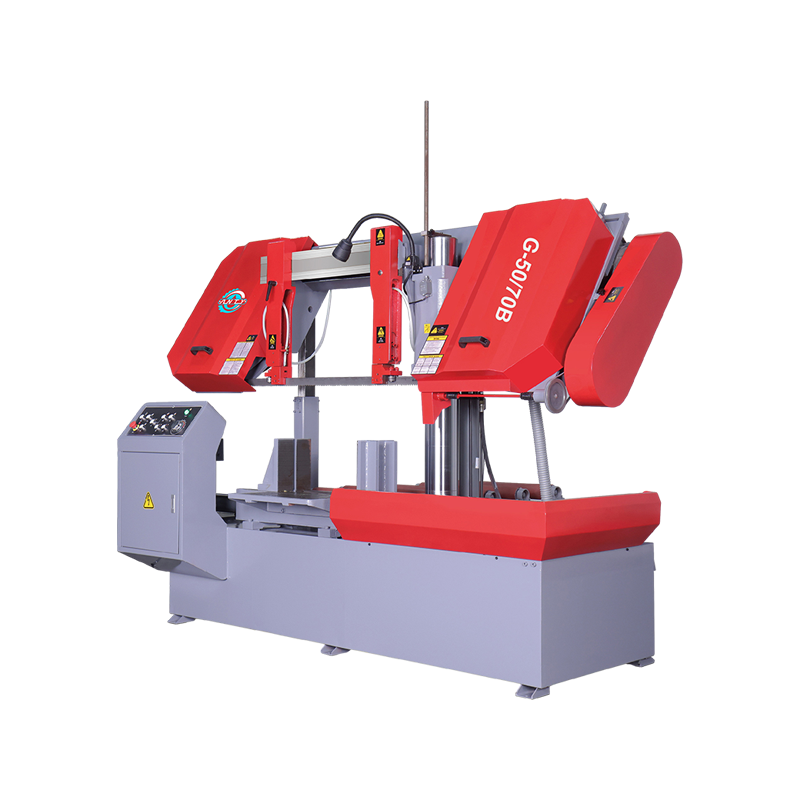
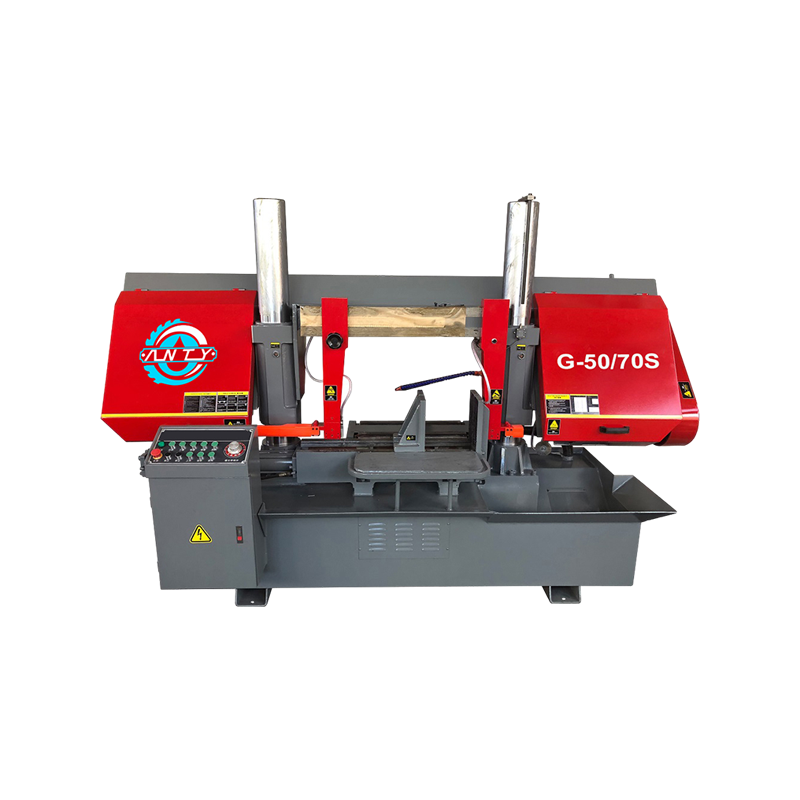
- Maximum workpiece dimensions and throat capacity
- Supported blade sizes and adjustment range
- Table design and workpiece support
- Clamping options for different material shapes
- Accessibility for blade replacement and routine cleaning
- Safety guards and operator control arrangements
These details help buyers determine whether a machine can accommodate their normal workload and whether additional fixtures or accessories may be required.
Cutting Quality Affects Downstream Processing
A cut component rarely represents the end of a manufacturing process. Its dimensions and edge condition may influence later operations such as drilling, milling, welding, or assembly. If the cut is inconsistent, workers may need additional correction or inspection before the part can move forward.
Manufacturers should consider machine rigidity, blade guidance, and adjustment stability when developing sawing equipment. Buyers can assess whether the machine supports repeatable positioning and whether the cutting results meet the requirements of their own production process.
The appropriate acceptance criteria depend on the material, part geometry, and subsequent operations. Establishing these requirements before purchasing helps align equipment selection with practical production needs.
Routine Inspection Helps Preserve Performance
Machine condition can change over time as blades wear, guides accumulate debris, and adjustment components experience repeated use. Regular inspection helps operators identify issues before they significantly affect cutting results.
A practical maintenance routine may include checking blade condition and tension, cleaning chips from the working area, inspecting blade guides, and confirming that the clamping mechanism functions correctly. Any adjustments should follow the machine's operating instructions and applicable safety procedures.
Manufacturers can support maintenance planning by providing clear operating guidance and identifying the components that require regular inspection.
Connect Machine Selection With Production Goals
Reducing material waste involves a combination of cutting planning, correct blade selection, secure workholding, and consistent equipment maintenance. No single machine specification can replace these decisions, but suitable equipment can make them easier to implement.
For overseas fabrication businesses and procurement teams, working directly with a Vertical metal band sawing machine manufacturer helps clarify workpiece capacity, blade compatibility, machine configuration, and maintenance requirements before an order is placed. Matching these factors to the intended production process supports more consistent cutting and helps businesses make better use of their metal stock.
 CONTACT US
 CONTACT US