


 english
 Русский
 Español
 Русский
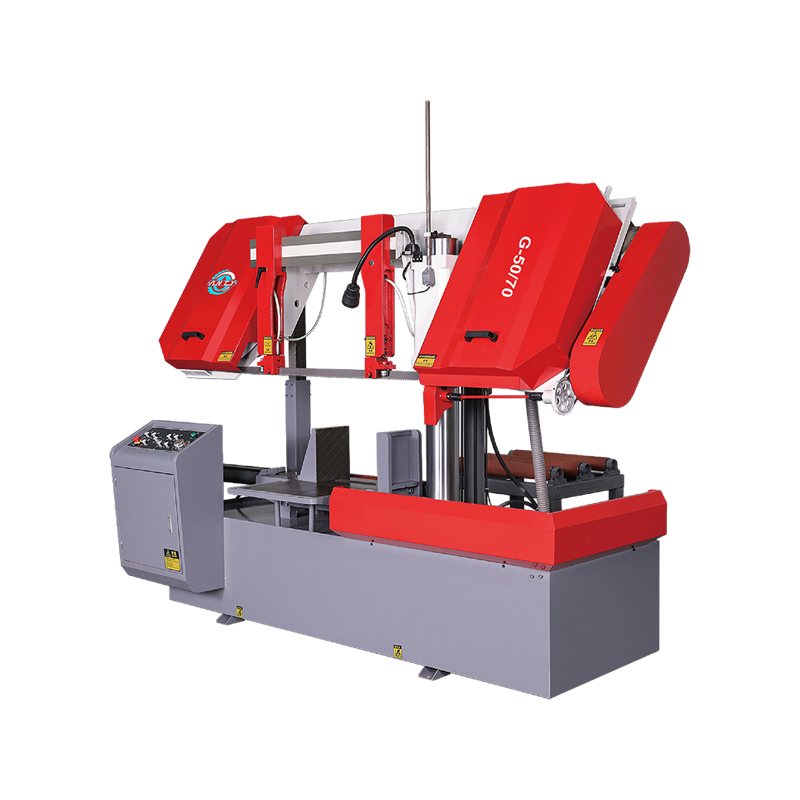
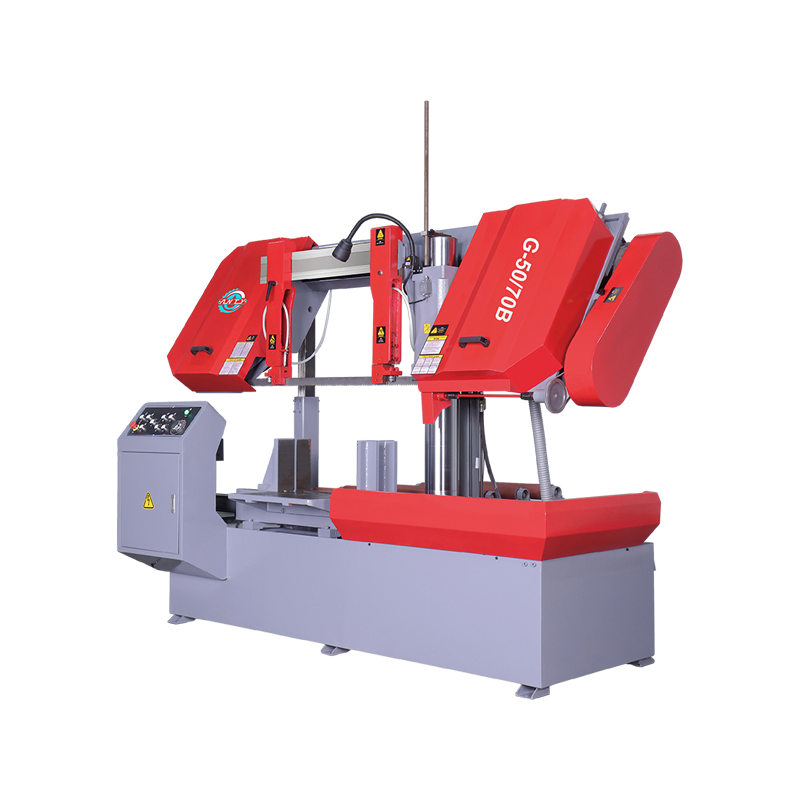
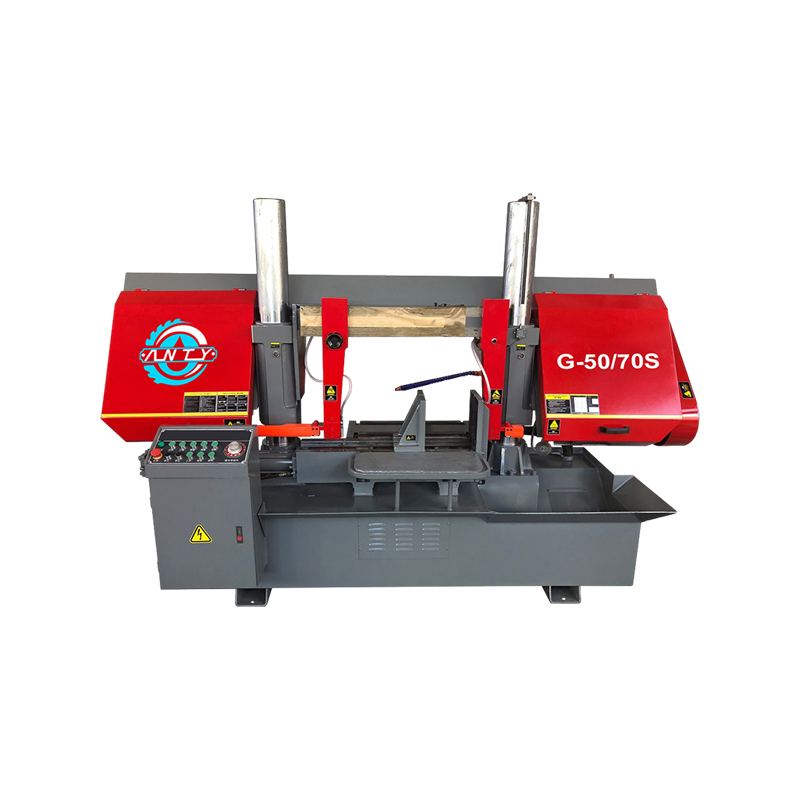
In metal processing, cutting is often one of the operations in the production chain, but problems at this stage can affect every process that follows. Inconsistent lengths, rough cut surfaces, repeated manual positioning, and material waste can all create additional work for manufacturers. A CNC full automatic High speed circular sawing machine offers a more controlled approach to repetitive metal cutting by combining programmed operation, automatic feeding, and high-speed sawing. For overseas buyers and production engineers, the key is understanding how these functions can address real workshop challenges rather than focusing on machine speed alone.
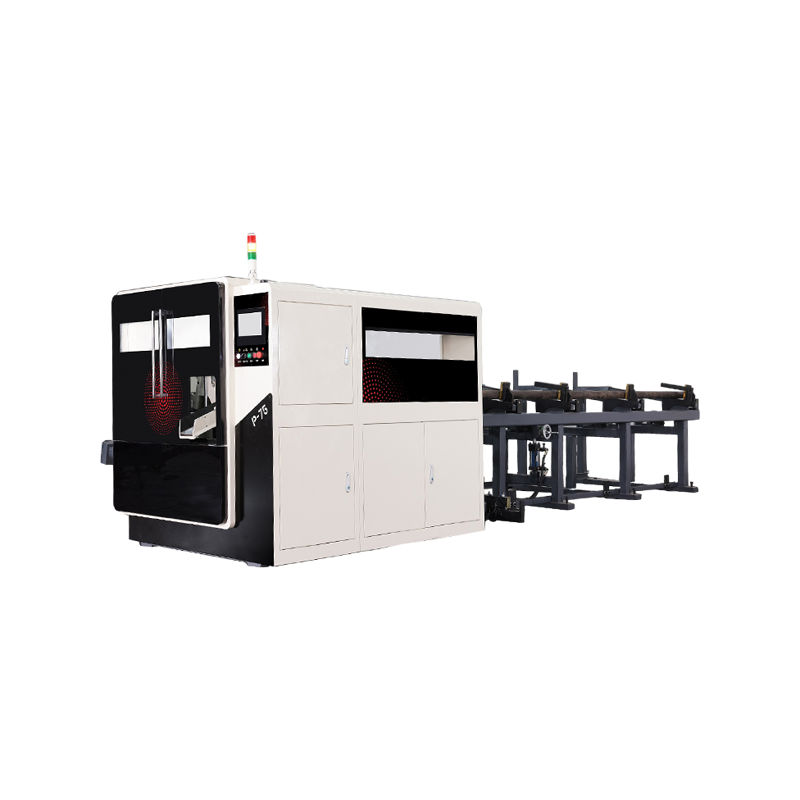
Reduce Manual Handling in Repetitive Cutting Operations
When operators need to measure, position, and cut each workpiece manually, production consistency can depend heavily on individual working habits. This becomes more difficult when a factory handles frequent orders or processes large quantities of metal profiles.
An automatic feeding system helps reduce repeated manual positioning by moving material into the cutting area according to the configured process. Combined with CNC control, it allows operators to manage recurring cutting tasks through programmed settings. This can make production planning more predictable and reduce unnecessary handling between individual cuts.
Maintain Consistent Cutting Lengths Across Batches
Dimensional consistency matters when cut materials must fit into later operations such as welding, machining, assembly, or structural fabrication. Even small variations can advance to additional adjustment work, particularly when components are produced in batches.
A CNC-controlled sawing process helps operators establish and repeat cutting parameters. However, accuracy is not determined by the control system alone. Material positioning, feeding stability, clamping, saw blade condition, and machine setup also influence the final result.
When evaluating a machine, buyers should consider how these elements work together and whether the equipment can maintain the required cutting consistency under their actual production conditions.
Choose the Right Sawing Setup for Different Materials
Metal cutting requirements vary according to material type, profile shape, dimensions, and wall thickness. A setting suitable for one aluminum profile may not be appropriate for a steel tube or solid metal bar.
Before selecting a machine, production teams should clarify:
- The main materials to be processed
- Workpiece diameter, width, and thickness
- Required cutting lengths and tolerances
- Expected daily production workload
- Blade specifications and replacement requirements
Providing this information to the manufacturer makes it easier to assess machine configuration and identify potential limitations before purchasing.
Make Changeovers Easier for Mixed Production Orders
Many metalworking businesses do not process only one workpiece size throughout the day. Different customer orders may require changes in cutting length, material dimensions, or production quantities.
CNC programming can help operators manage different cutting requirements without relying entirely on repeated manual adjustments. Nevertheless, changeover efficiency also depends on the feeding structure, clamping arrangement, parameter adjustment process, and operator familiarity with the machine.
For buyers handling mixed orders, it is worth checking how easily production settings can be changed and whether the machine configuration suits the range of materials they commonly process.
Look Beyond Cutting Speed When Evaluating Productivity
A high-speed saw may attract attention, but actual production efficiency involves more than the time required for one cut. Loading, feeding, clamping, cutting, unloading, and routine inspection all contribute to the complete operating cycle.
A practical evaluation should include:
- Feeding and unloading arrangements
- Workpiece clamping stability
- Cutting quality and dimensional consistency
- Blade replacement and maintenance access
- Operator workload and machine safety provisions
Considering the complete workflow helps buyers avoid choosing equipment based on a single performance specification.
Maintenance Has a Direct Impact on Production Continuity
Saw blade wear, material residue, incorrect clamping, and neglected machine components can affect cutting performance over time. Regular inspection is therefore an important part of operating an automatic sawing system.
Manufacturers should provide clear guidance on blade selection, routine cleaning, lubrication where applicable, and inspection of feeding and clamping components. Buyers should also confirm the availability of technical support and replacement parts before placing an order, especially when the machine will be used in continuous production environments.
Match Machine Configuration to Your Production Needs
Selecting industrial sawing equipment requires a clear understanding of the materials, cutting dimensions, production volume, and downstream processes involved. As a manufacturer, we believe machine selection should begin with the buyer's actual working requirements, followed by an assessment of feeding, control, clamping, cutting, and maintenance arrangements. A properly configured CNC full automatic High speed circular sawing machine can help metalworking businesses organize repetitive cutting operations, improve process consistency, and support more efficient production planning.
 CONTACT US

 CONTACT US