


 english
 Русский
 Español
 Русский
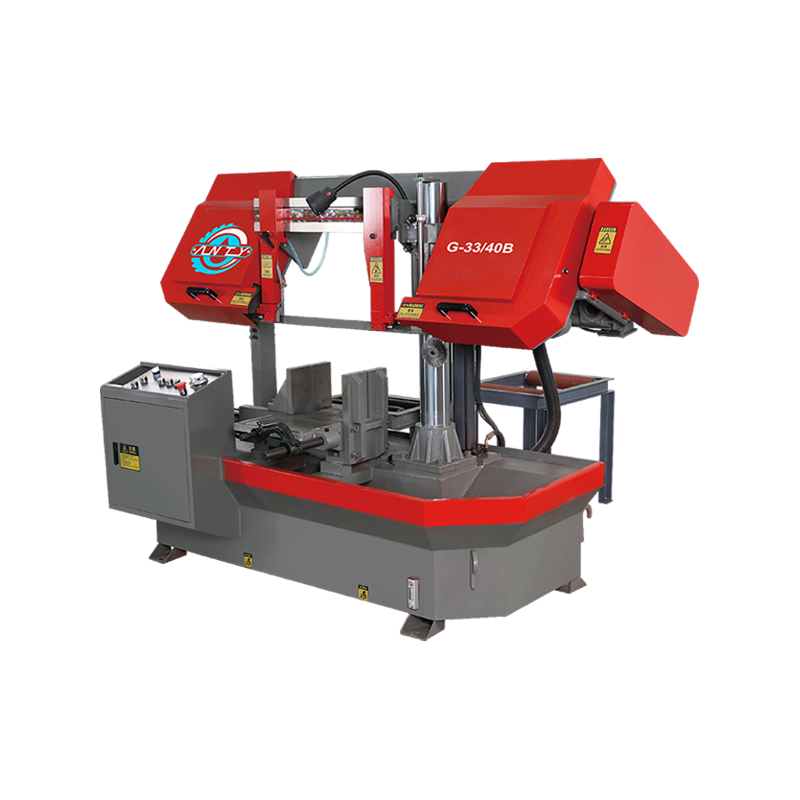
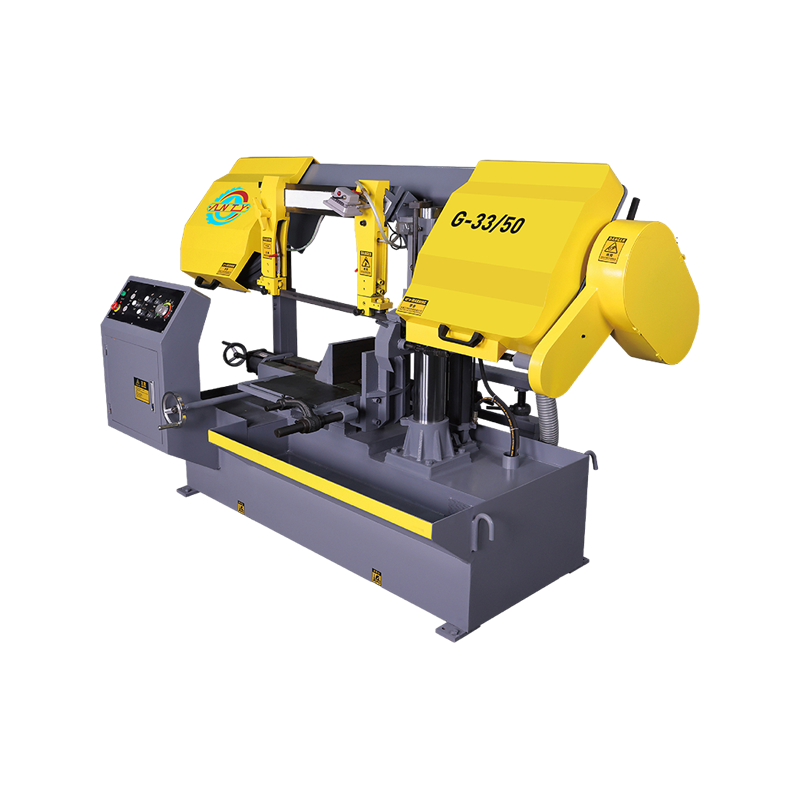
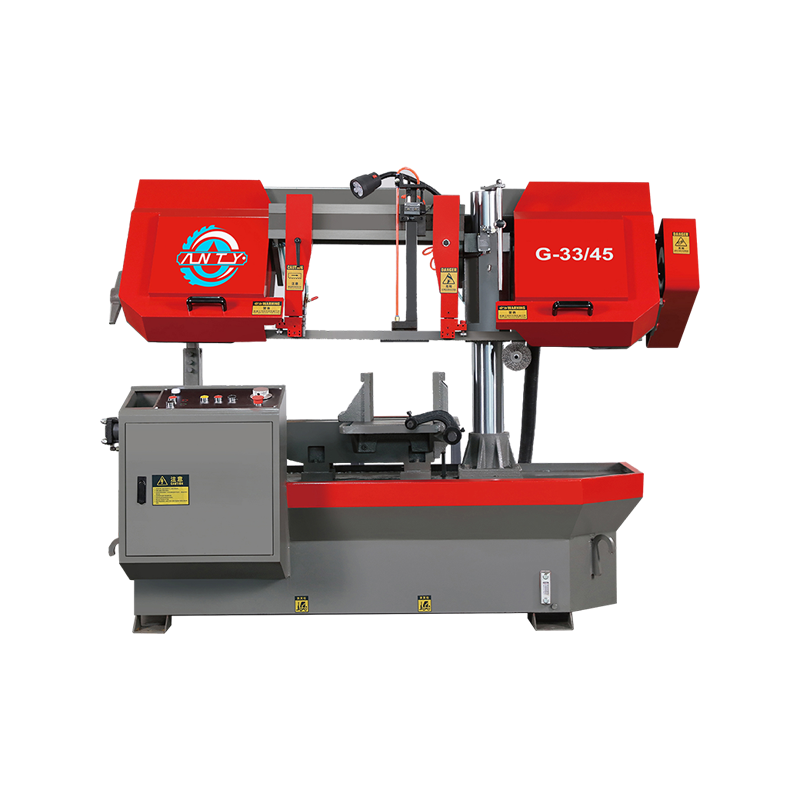
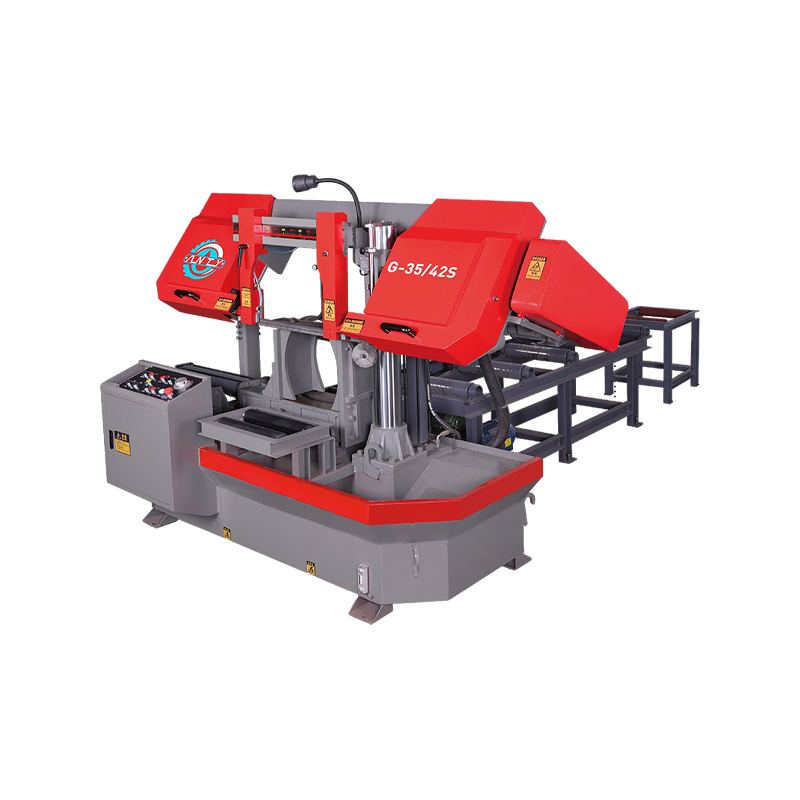
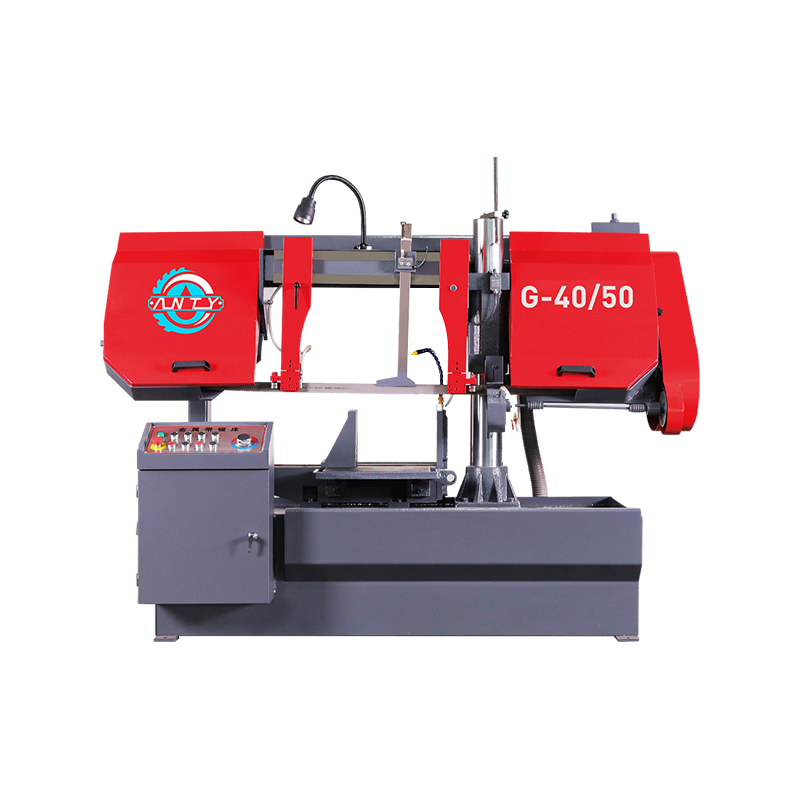
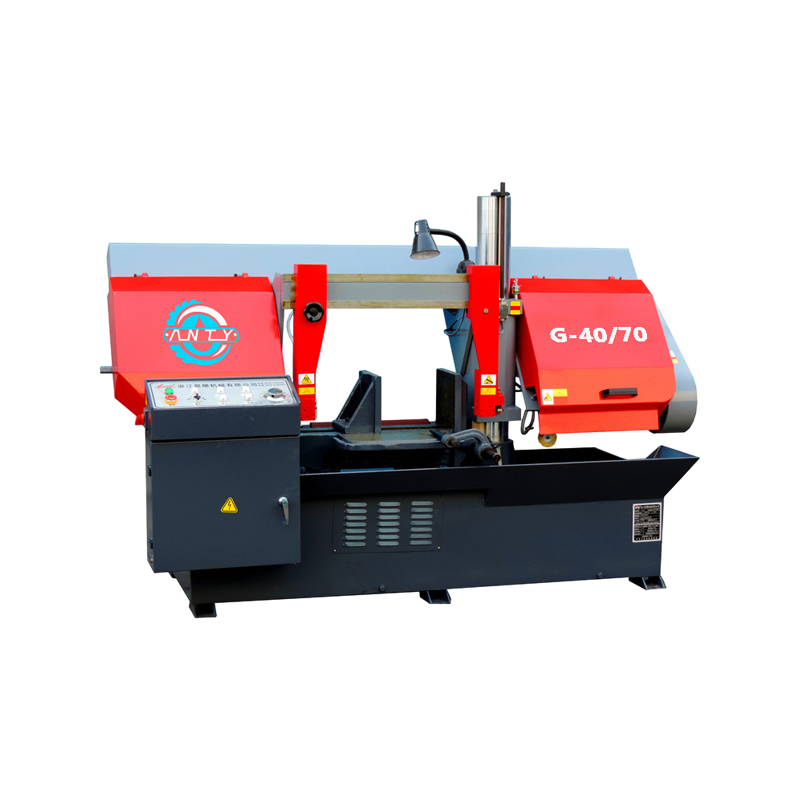
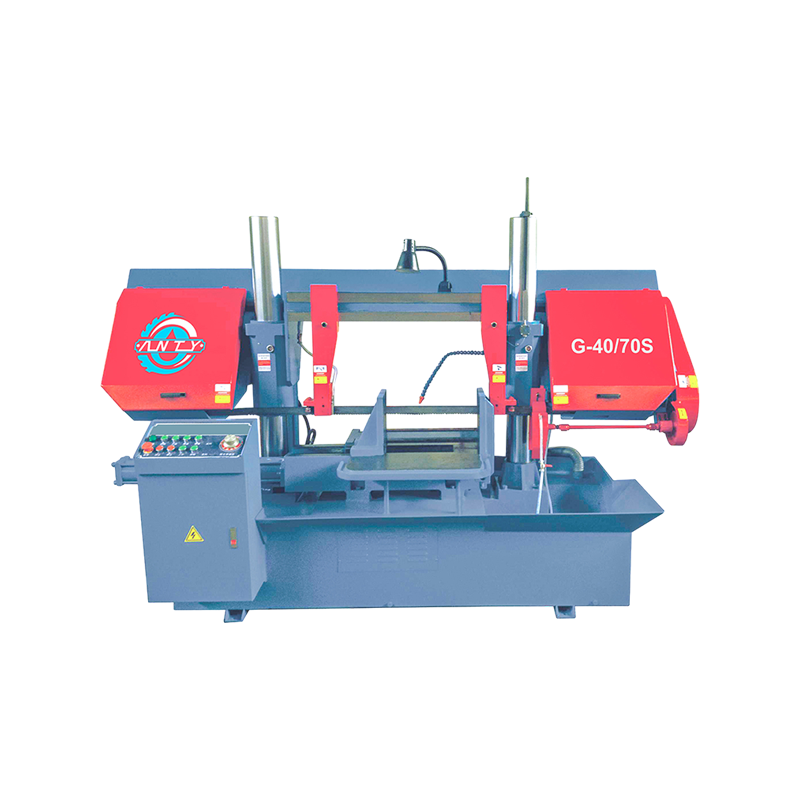
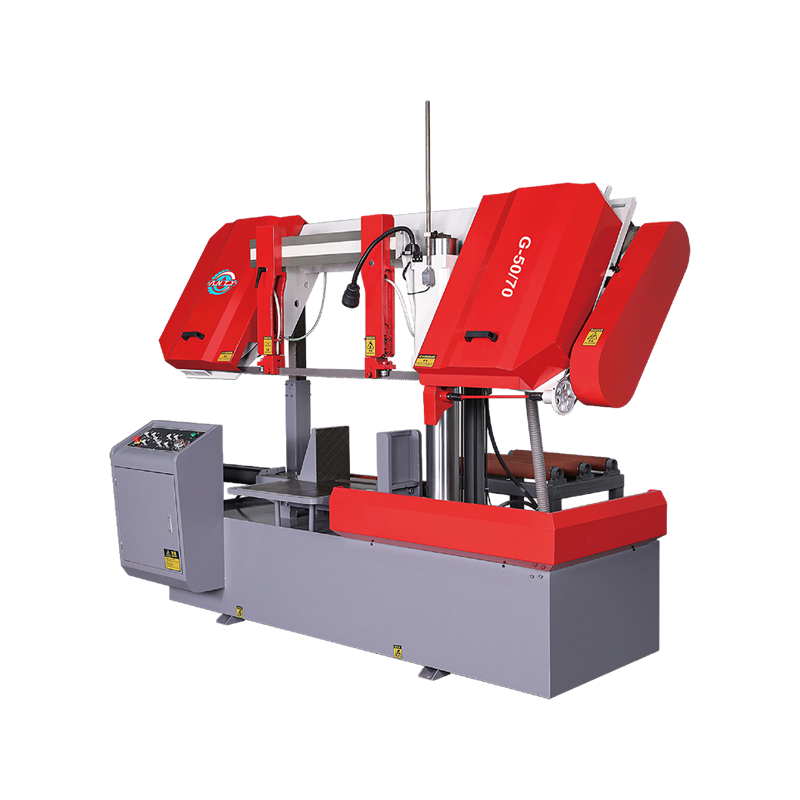
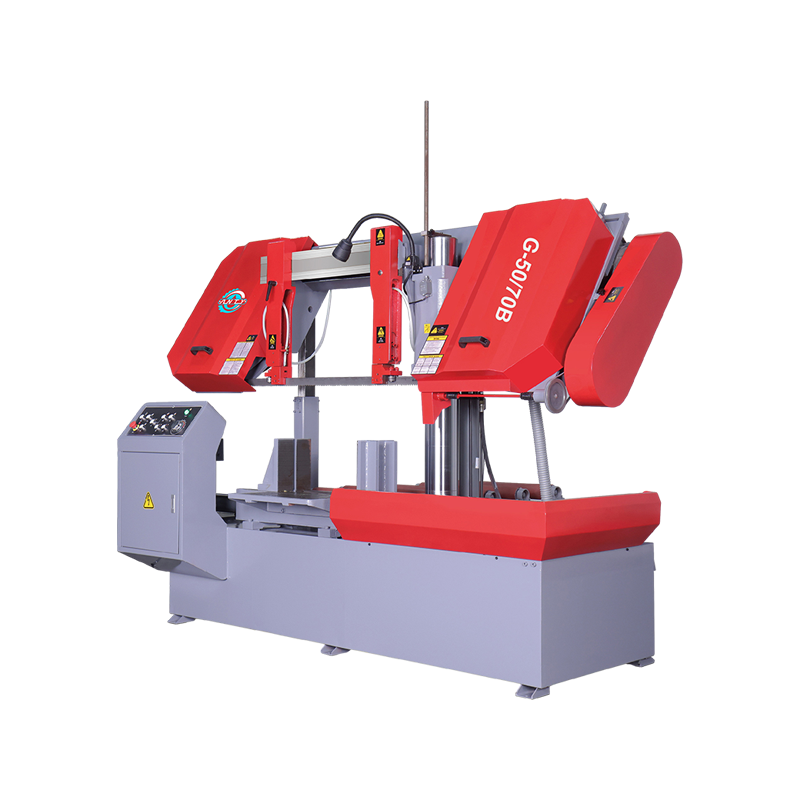
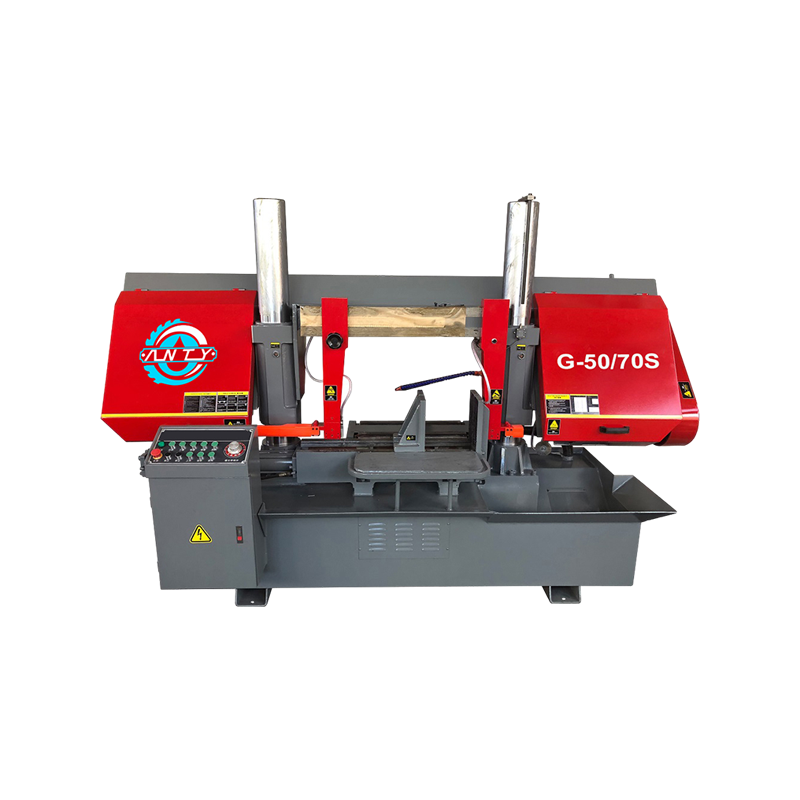
Global metal processing industries are under increasing pressure to improve cutting efficiency, reduce material waste, and maintain high precision in mass production environments. From structural steel fabrication to machinery manufacturing and automotive components, buyers are actively searching for equipment that delivers stability, automation compatibility, and long-term operational reliability. In this context, the Rotary Angle horizontal metal band sawing machine has become an important solution for engineering teams looking to optimize cutting performance while maintaining consistent accuracy in continuous industrial operations.
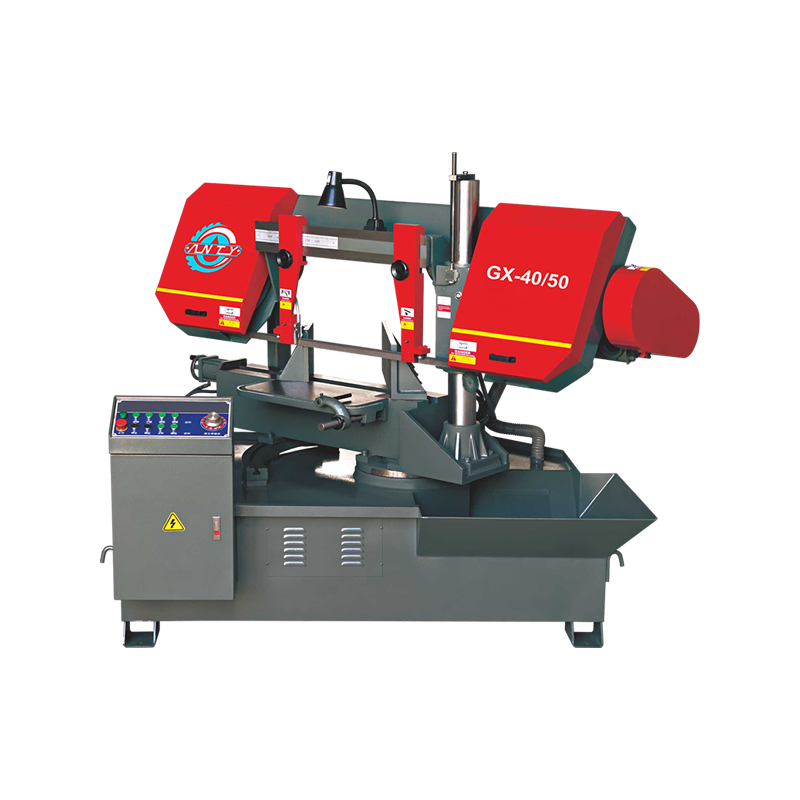
Rising Demand Driven by Smart Manufacturing and Automation Upgrades
With the global shift toward smart manufacturing and Industry 4.0 integration, metal processing workshops are upgrading their production lines to improve automation and efficiency. Sawing systems are expected to integrate smoothly into semi-automated and fully automated workflows.
Key procurement requirements include:
- Stable cutting accuracy under continuous operation
- Compatibility with automated feeding systems
- Reduced manual intervention in production cycles
- High efficiency for batch metal processing tasks
These expectations are especially strong in steel fabrication and heavy equipment manufacturing sectors.
Common Efficiency Problems in Traditional Metal Cutting Equipment
Despite technological progress, many factories still rely on outdated cutting systems that limit productivity and increase operational costs. These inefficiencies often become more visible under high-volume production conditions.
Typical issues include:
- Inconsistent cutting angles affecting assembly precision
- Excessive material waste due to poor blade control
- High vibration levels reducing surface quality
- Frequent downtime caused by mechanical wear
- Limited adaptability to different metal profiles
These challenges are driving demand for more advanced horizontal band sawing solutions.
Why Structural Stability Is Critical in Heavy-Duty Cutting Operations
In industrial environments, machine stability directly affects cutting accuracy and tool lifespan. Buyers are increasingly evaluating machine structure design as a key procurement factor.
Key engineering expectations include:
- Reinforced machine frame for vibration reduction
- Stable clamping system for secure material positioning
- Consistent cutting pressure control during operation
- Long-term durability under heavy workload conditions
These features help ensure precision cutting in continuous production environments.
Importance of Angle Control in Modern Metal Processing
Angle precision is a critical requirement in many metal fabrication applications, especially in industries where structural assembly depends on exact cutting geometry. Rotary angle functionality provides flexibility in production workflows.
Key functional advantages include:
- Adjustable cutting angles for complex metal structures
- Improved accuracy for welded assembly components
- Reduced need for secondary processing
- Greater flexibility in multi-specification production lines
This capability is increasingly valued in construction steel and mechanical manufacturing industries.
Manufacturing Consistency and Industrial Equipment Standards
For global buyers, machine procurement is not only about performance but also about long-term manufacturing consistency and service stability. Industrial equipment must maintain uniform output quality across extended operation cycles.
Key evaluation factors include:
- Precision machining of structural components
- Stable hydraulic or mechanical feeding systems
- Strict quality inspection for cutting accuracy
- OEM customization for production line integration
Manufacturers with strong engineering control systems are better positioned to support global industrial supply chains.
Expanding Applications Across Metal Processing Industries
Metal sawing equipment is widely used across multiple industries due to increasing demand for high-precision cutting and efficient material processing.
Common application areas include:
- Steel structure fabrication workshops
- Automotive parts manufacturing
- Machinery and equipment production
- Shipbuilding and heavy engineering industries
This broad application scope continues to drive global demand for advanced sawing systems.
Future Outlook in Industrial Metal Cutting Technology
As global manufacturing continues to evolve toward higher precision and automation, demand for efficient, stable, and flexible metal cutting equipment will continue to grow. Buyers are prioritizing system integration capability, cutting accuracy, and long-term operational reliability.
In this evolving industrial landscape, Rotary Angle horizontal metal band sawing machine solutions will remain a key component in modern fabrication systems, supporting improved productivity, reduced material waste, and higher precision across global metal processing industr
 CONTACT US
 CONTACT US