


 english
 Русский
 Español
 Русский
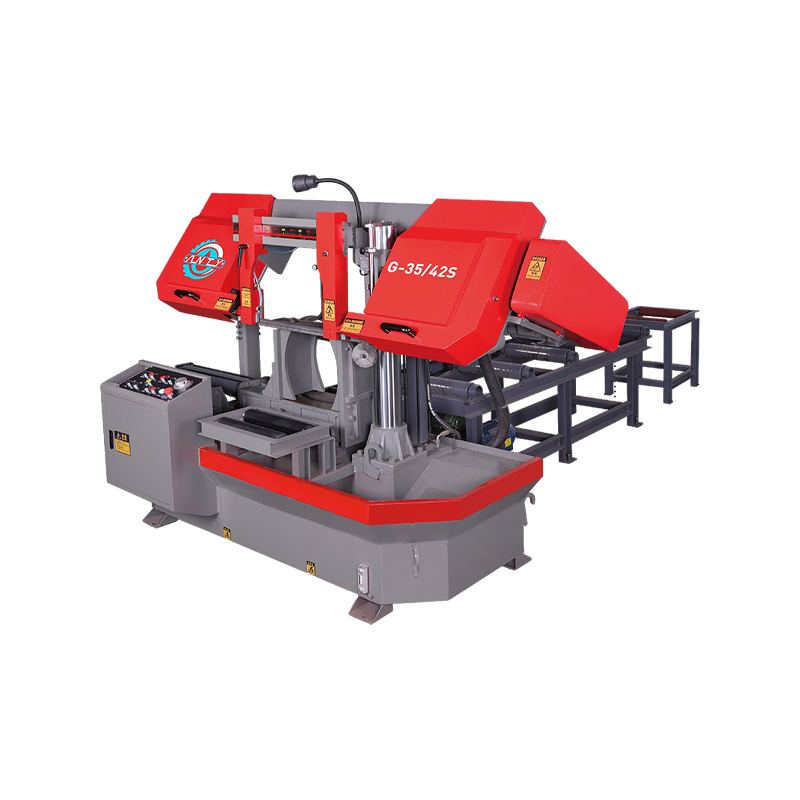
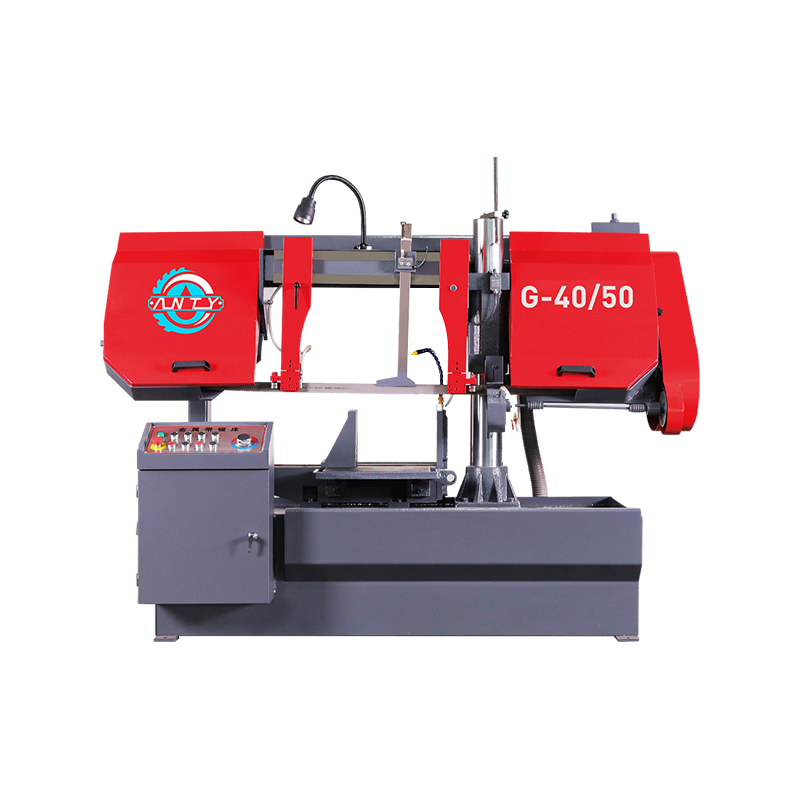
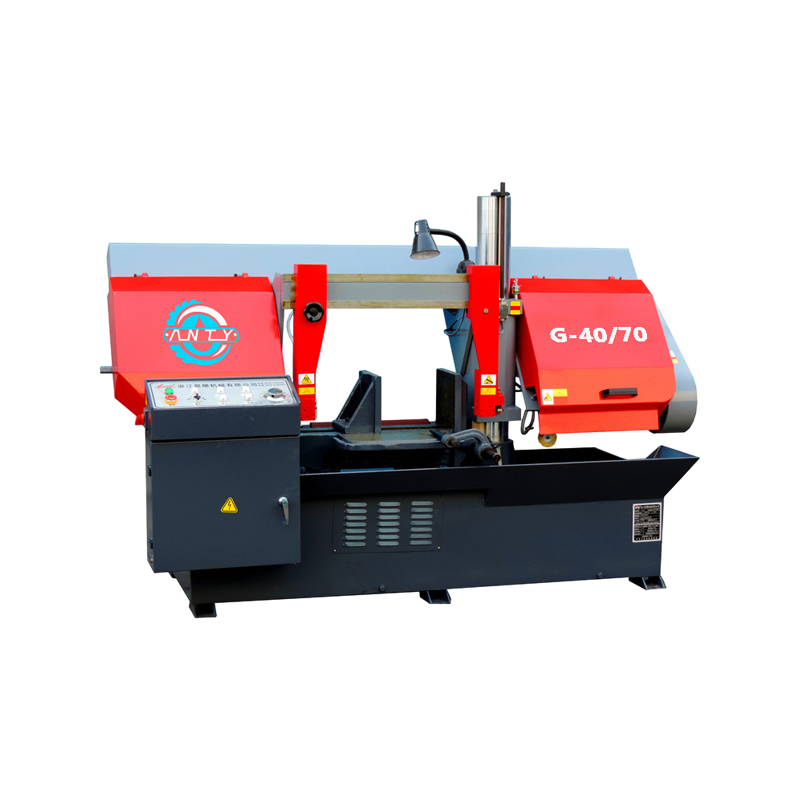
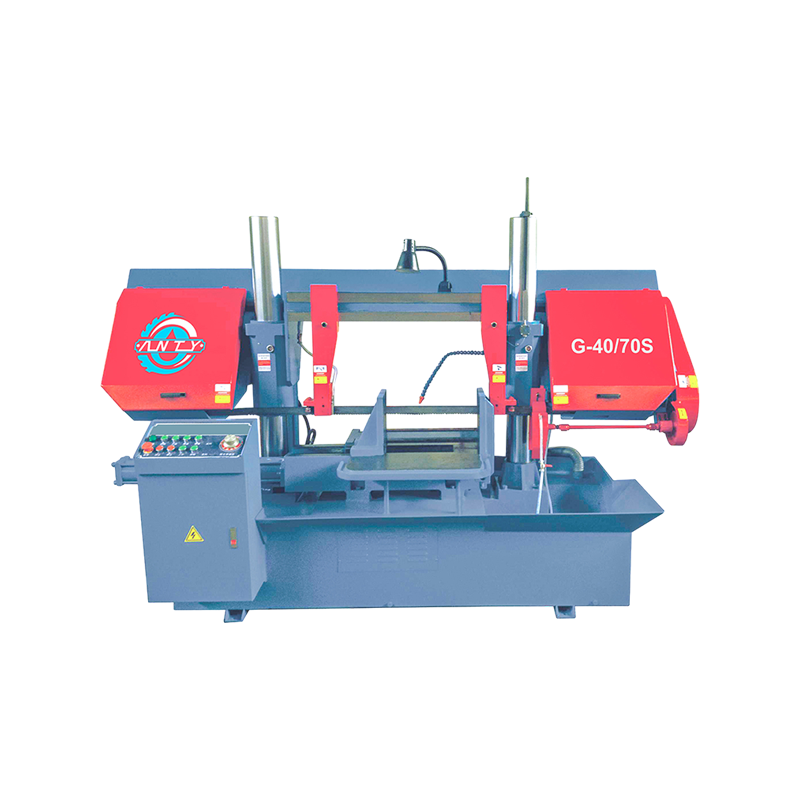
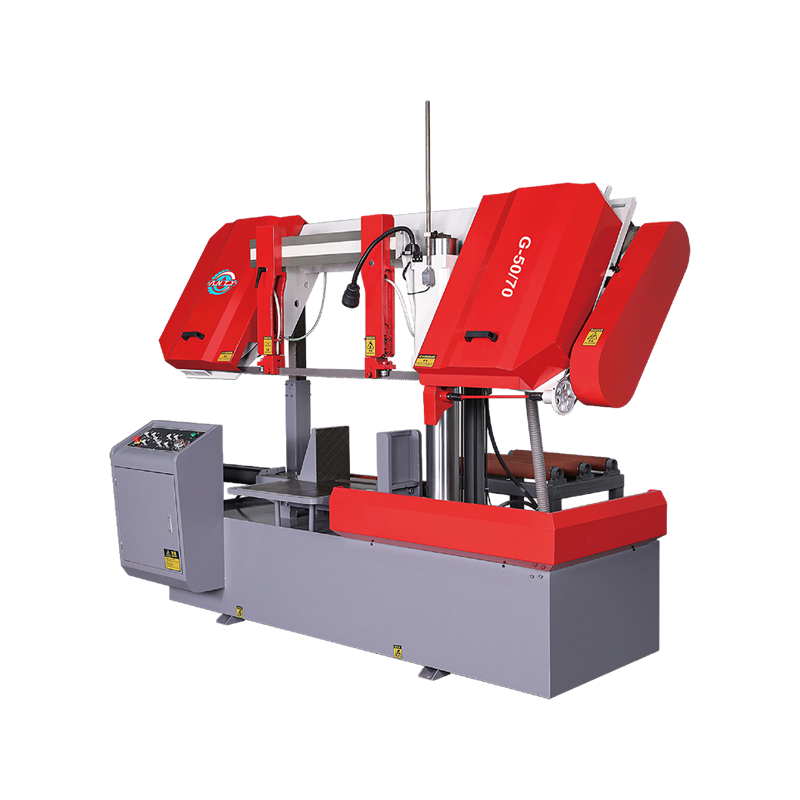
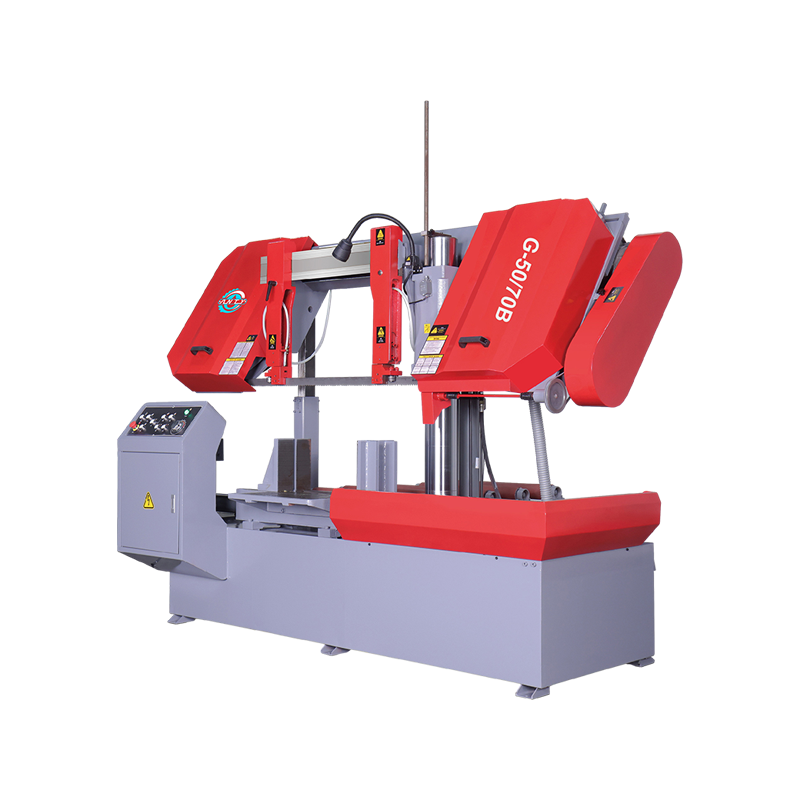
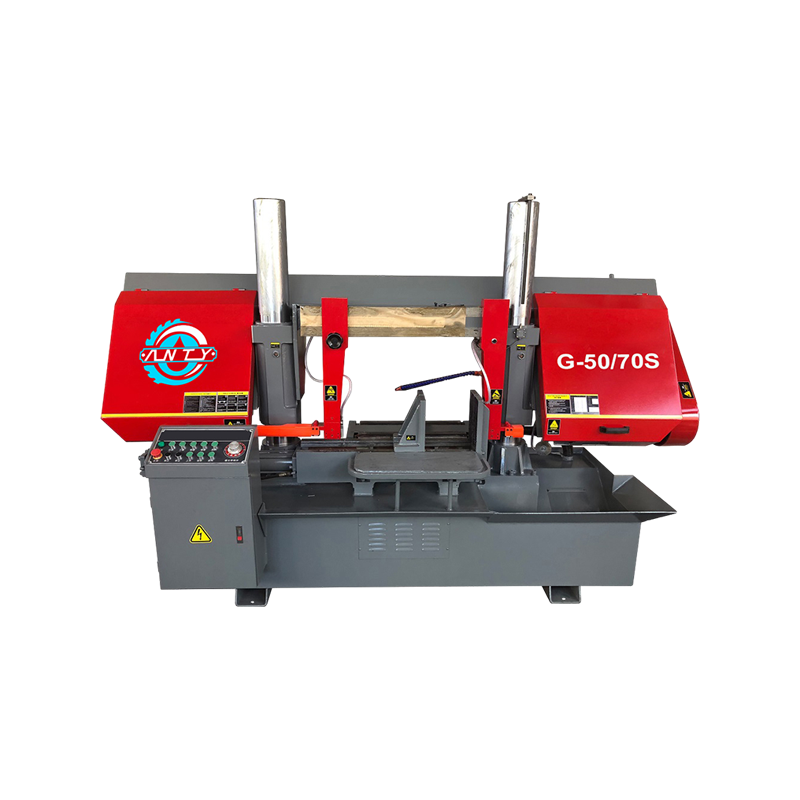
Global metal processing and fabrication industries are experiencing steady upgrades as manufacturers face rising requirements for precision, efficiency, and cost control. From structural steel workshops to automotive parts production, buyers are increasingly searching for equipment that can deliver stable accuracy under continuous workloads. In this context, the Rotary Angle horizontal metal band sawing machine is gaining attention from procurement teams that need reliable cutting performance, flexible angle adjustment, and integration compatibility with modern production lines.
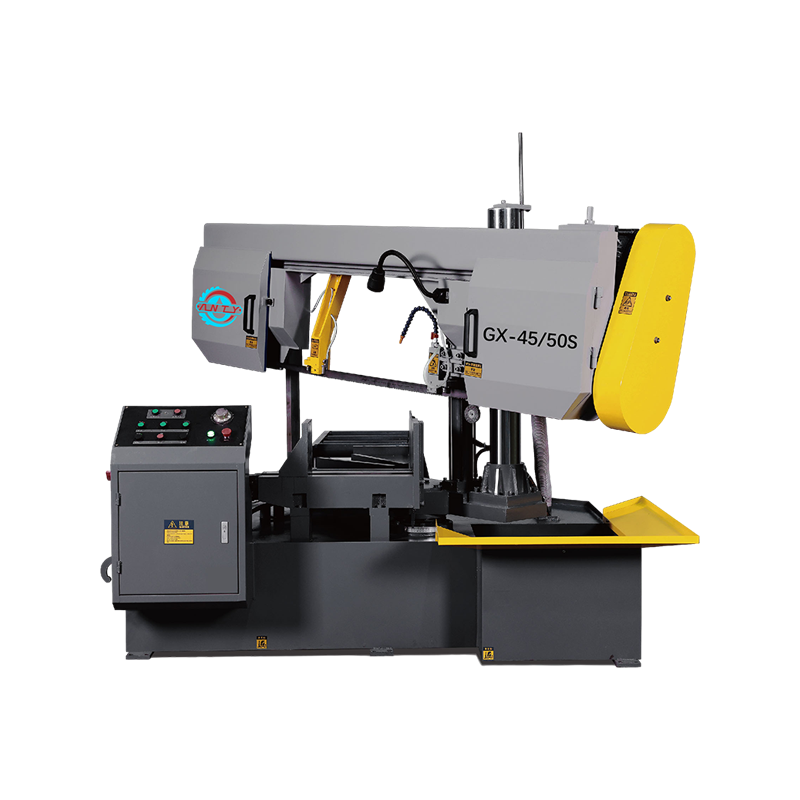
Smart Manufacturing Trends Reshaping Metal Cutting Equipment Demand
As digital manufacturing and automated production systems continue to expand, factories are investing in equipment upgrades that support higher productivity and lower operational variability. Metal cutting processes are a key focus area in this transformation.
Key procurement priorities include:
- Stable cutting precision for batch production
- Compatibility with semi-automated feeding systems
- Reduced manual adjustment during operation
- Improved material utilization efficiency
These requirements are especially strong in steel structure and machinery manufacturing sectors.
Operational Limitations in Conventional Band Saw Systems
Many production facilities still rely on older cutting machines that struggle to meet modern efficiency standards. These limitations often become more visible in high-volume or continuous production environments.
Common issues include:
- Cutting deviation affecting final assembly accuracy
- Excessive blade wear pilot to higher maintenance costs
- Material loss caused by inconsistent cutting paths
- Vibration during operation reducing surface quality
- Limited flexibility for multi-angle cutting tasks
These challenges are accelerating equipment replacement cycles in global factories.
Why Structural Rigidity Determines Cutting Accuracy
In industrial sawing operations, machine structure plays a decisive role in maintaining cutting stability and precision. Buyers are increasingly evaluating mechanical rigidity as a core performance indicator.
Key structural expectations include:
- Reinforced machine frame to minimize vibration
- Stable clamping system for secure material positioning
- Balanced force distribution during cutting cycles
- Long-term durability under heavy-duty operation
These features directly contribute to consistent cutting quality in production environments.
The Importance of Rotary Angle Flexibility in Fabrication Workflows
Modern fabrication projects often require complex cutting angles for structural assembly and welding preparation. Rotary angle functionality improves adaptability across different production requirements.
Key advantages include:
- Adjustable cutting angles for complex structural parts
- Reduced need for secondary machining processes
- Improved accuracy in welded component preparation
- Greater flexibility in mixed-production environments
This functionality is particularly valuable in construction steel and mechanical engineering industries.
Manufacturing Precision and Industrial Equipment Reliability
For global buyers, purchasing decisions are not only based on machine performance but also on manufacturing consistency and long-term reliability. Equipment must perform consistently across extended production cycles.
Key evaluation factors include:
- Precision machining of key mechanical components
- Stable hydraulic or mechanical feeding performance
- Strict inspection of cutting accuracy before delivery
- OEM customization for production line integration
Manufacturers with strong engineering control systems are preferred for long-term industrial partnerships.
Expanding Industrial Applications of Metal Band Sawing Equipment
Metal sawing machines are widely used across multiple industries due to increasing demand for efficient and accurate metal processing solutions.
Common application scenarios include:
- Steel structure fabrication plants
- Automotive component manufacturing
- Heavy machinery production
- Shipbuilding and industrial engineering workshops
This broad applicability continues to support stable global demand growth.
Future Outlook in Automated Metal Cutting Technology
As industrial production continues to evolve toward higher automation and precision, demand for stable, efficient, and adaptable cutting systems will continue to grow. Buyers are placing greater emphasis on operational stability, cutting accuracy, and system integration capability.
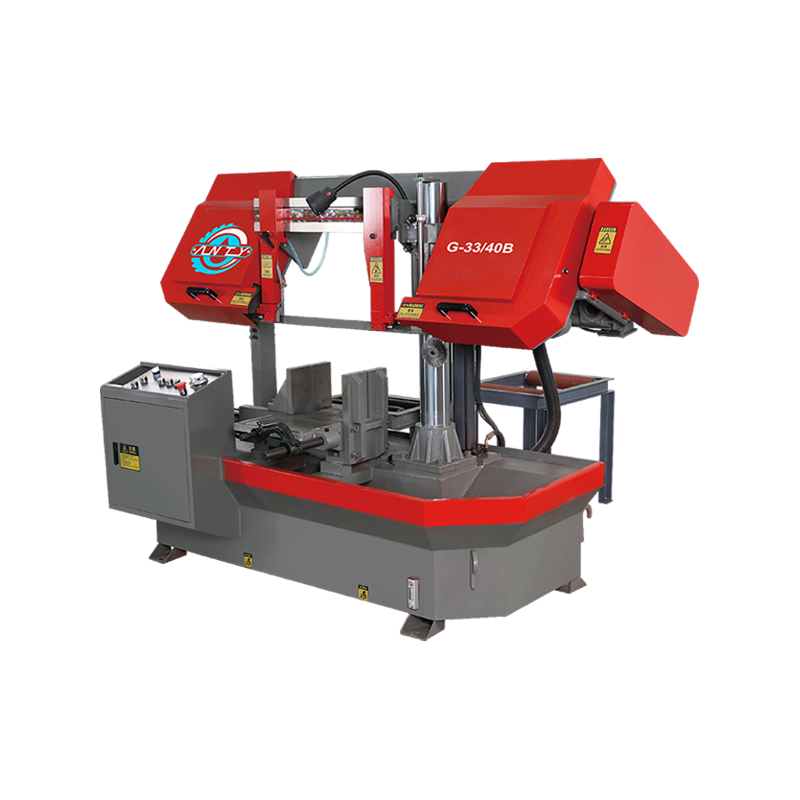
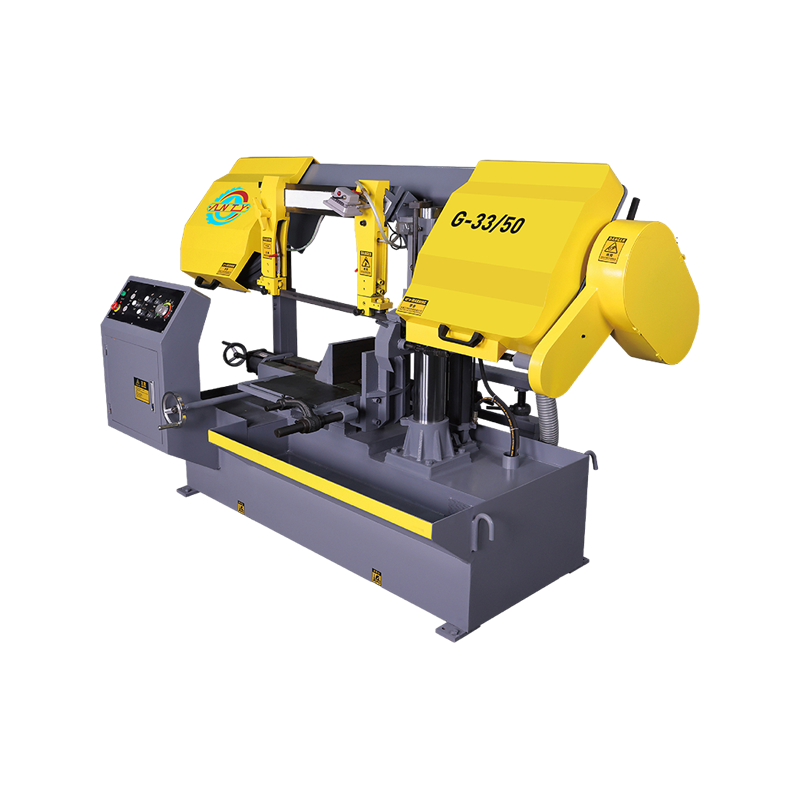
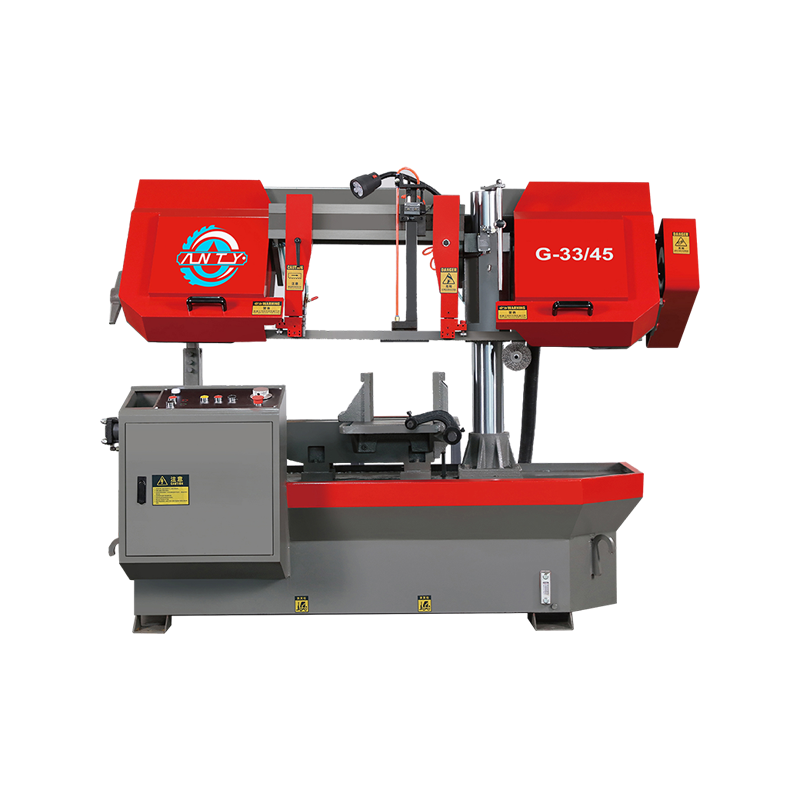
In this evolving manufacturing environment, Rotary Angle horizontal metal band sawing machine solutions will remain an essential part of modern fabrication workflows, supporting improved productivity, reduced material waste, and higher precision across global metal processing industries.
 CONTACT US
 CONTACT US