


 english
 Русский
 Español
 Русский
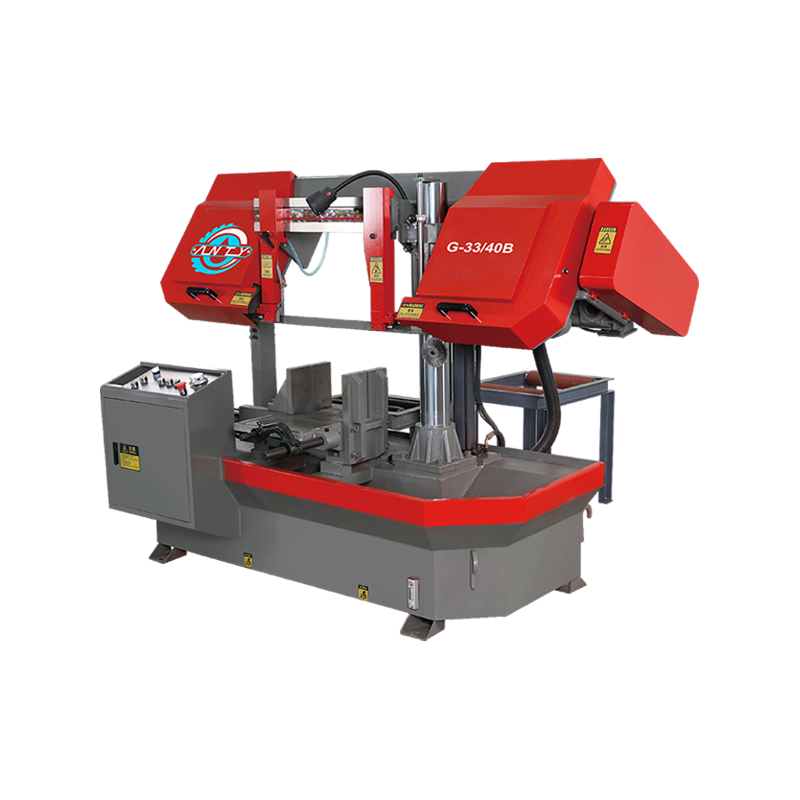
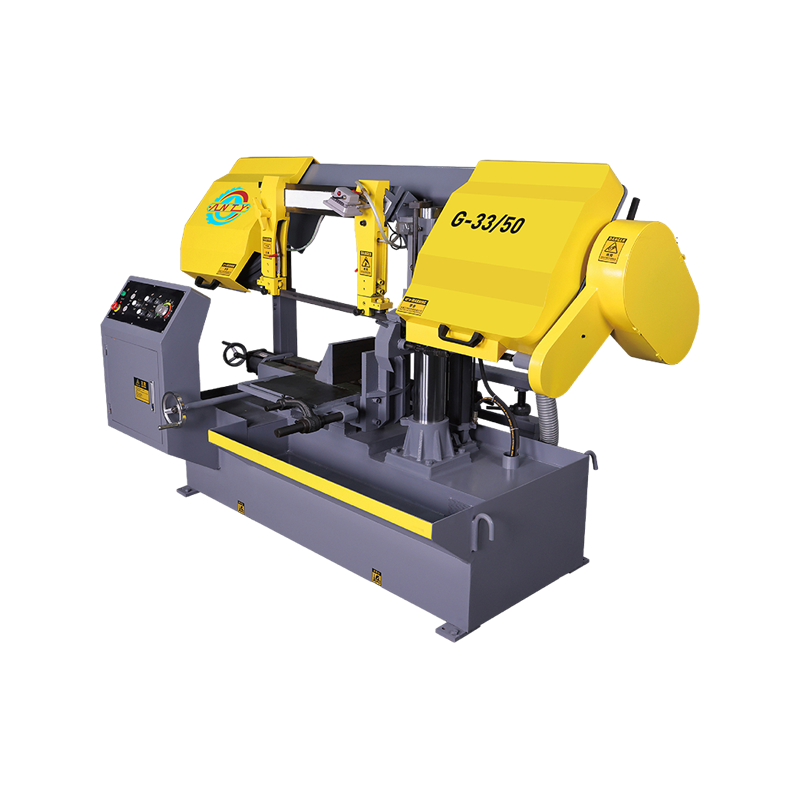
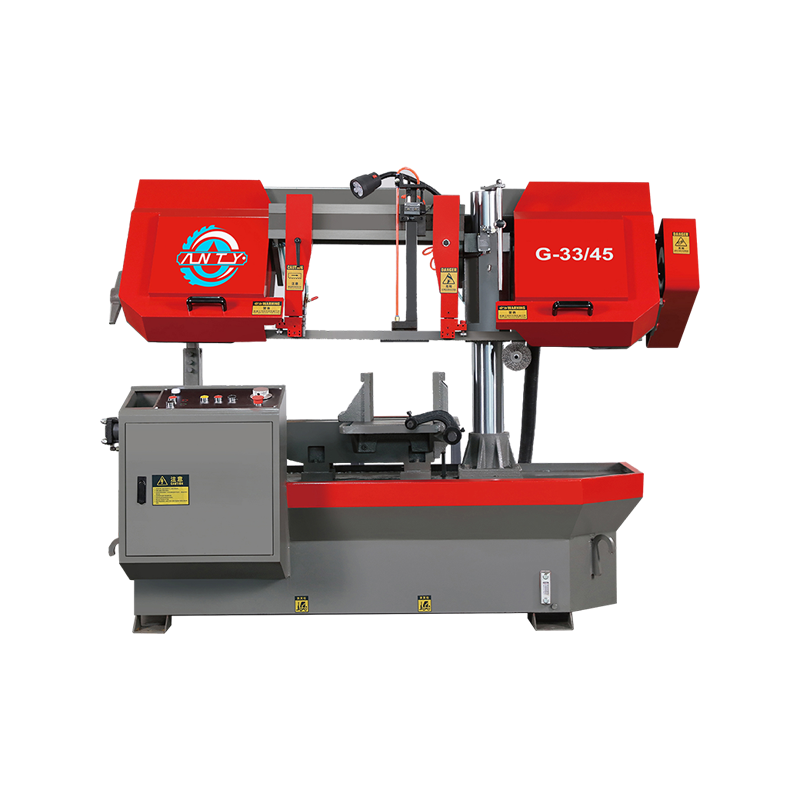
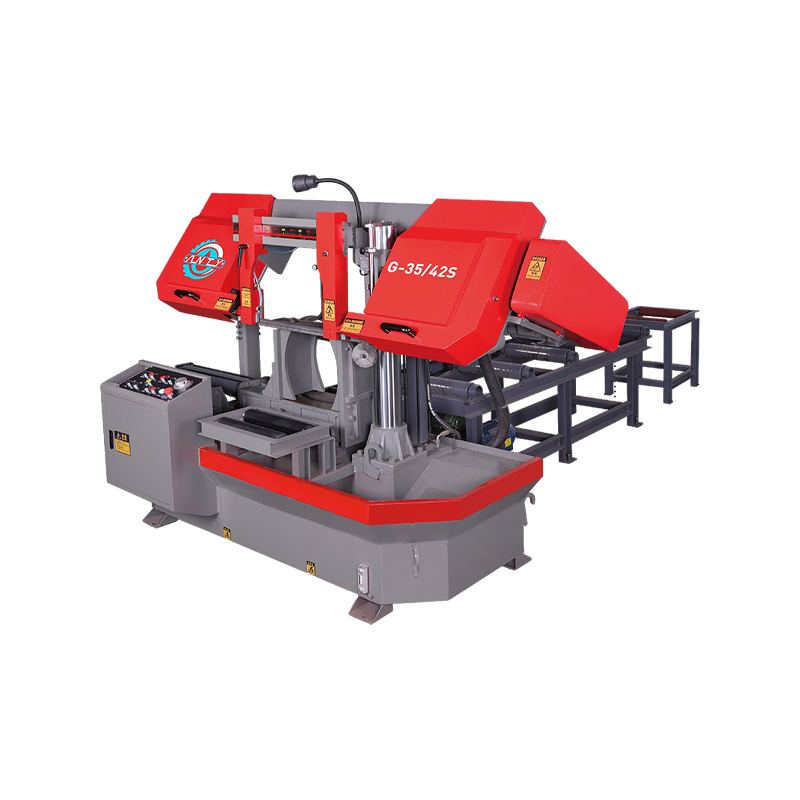
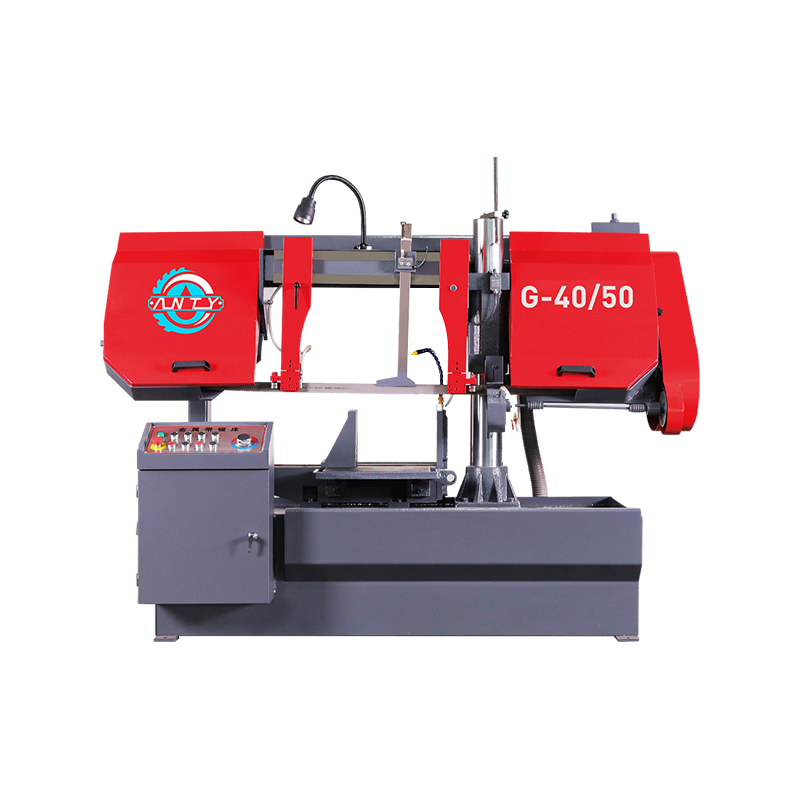
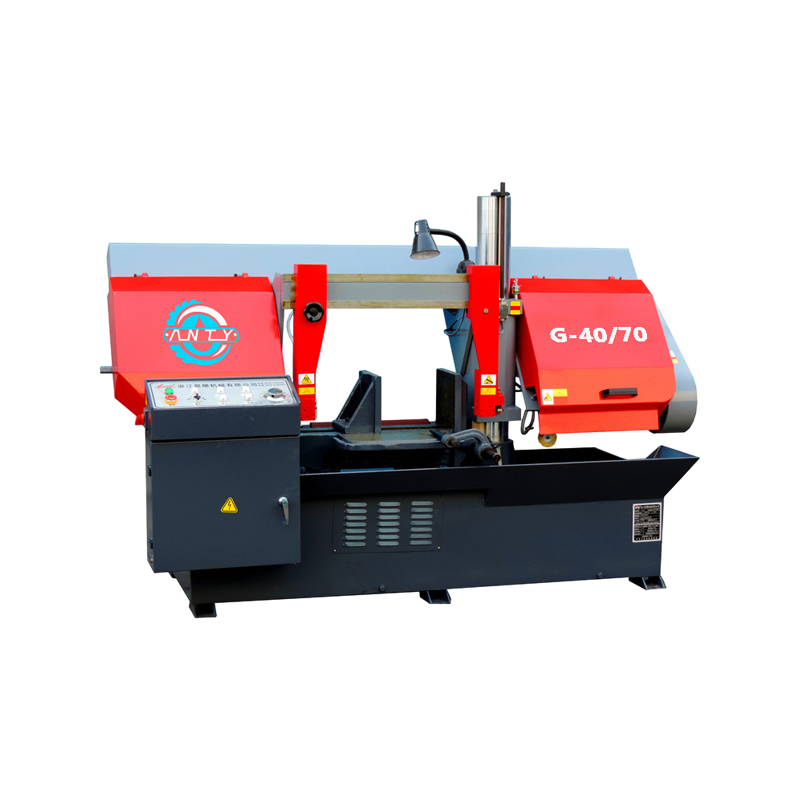
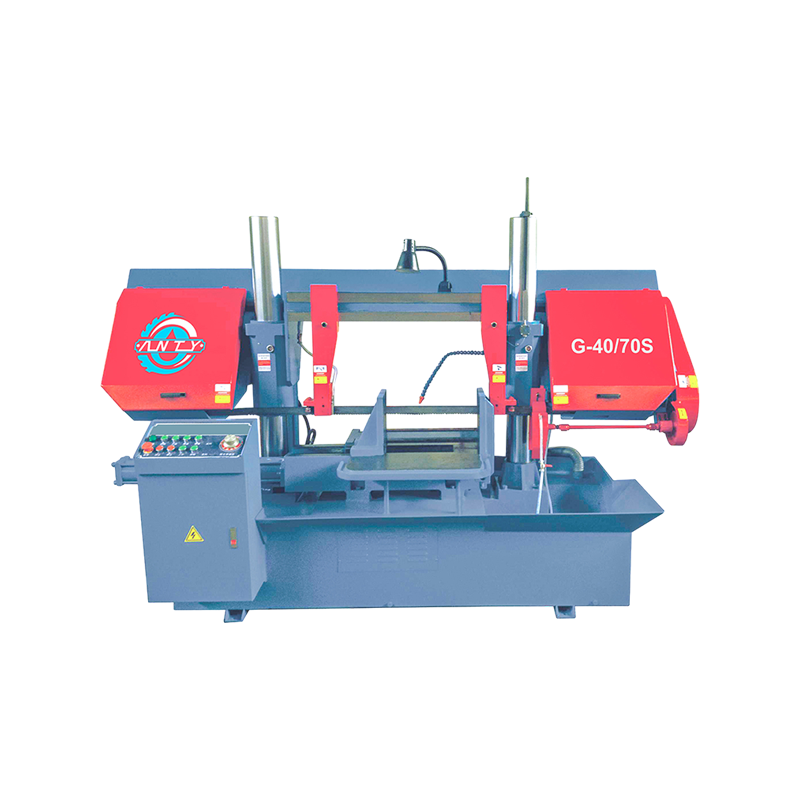
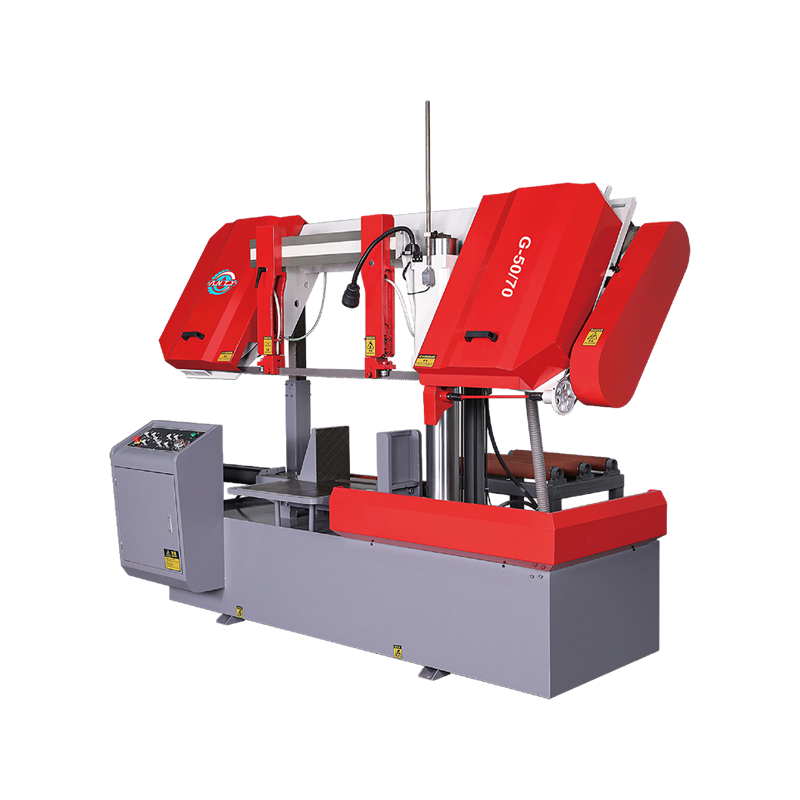
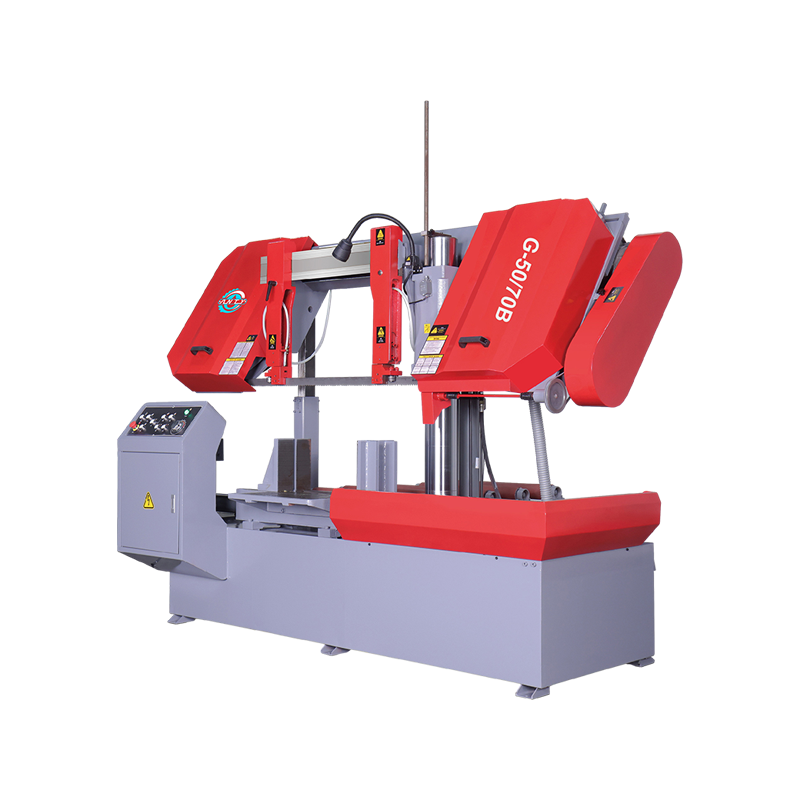
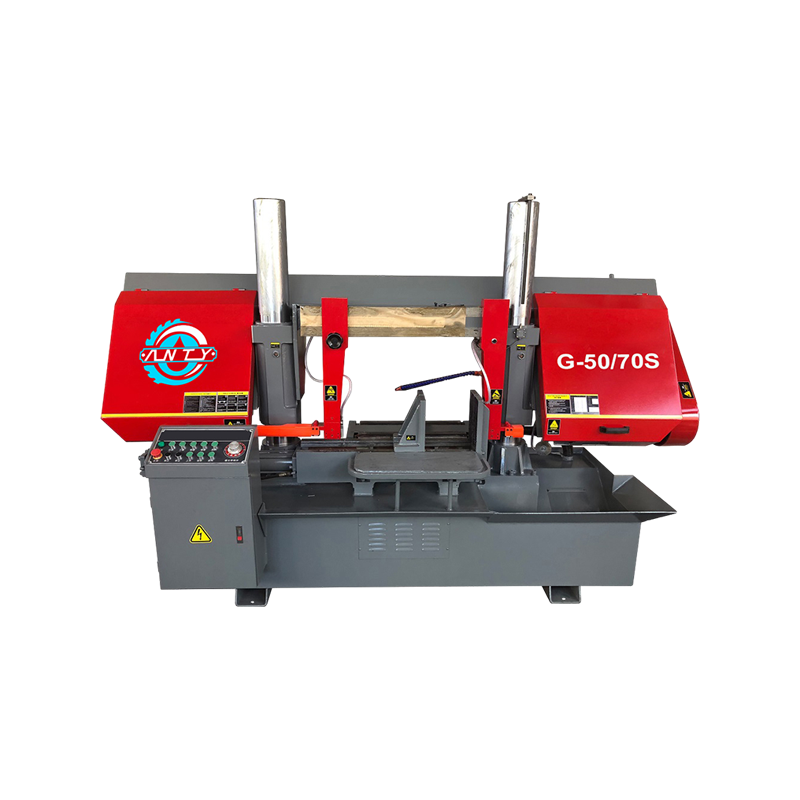
In the world of industrial manufacturing, the efficiency and accuracy of cutting machines play a vital role in determining the overall performance of production lines. Steel pipe cutting machines and vertical metal band sawing machines are two key tools that have become integral in industries ranging from construction to automotive. These machines are designed to deliver precise cuts, streamline production processes, and help manufacturers keep up with the growing demand for quality products.
Improving Speed in Production Processes
Steel pipe cutting machines and vertical metal band sawing machines are engineered to cut through various materials with speed and precision. By using advanced technology such as automated cutting processes and programmable controls, these machines reduce the time it takes to achieve clean cuts. The high cutting speed allows for a greater volume of materials to be processed in a shorter period, which ultimately improves the overall production speed.
Additionally, these machines are designed to accommodate high workloads. With the ability to cut steel pipes and metal bands of varying thicknesses, manufacturers can use them for a wide range of applications, ensuring that they meet the needs of diverse industries. Their adaptability helps to reduce downtime, which directly contributes to improving the throughput of the production line.
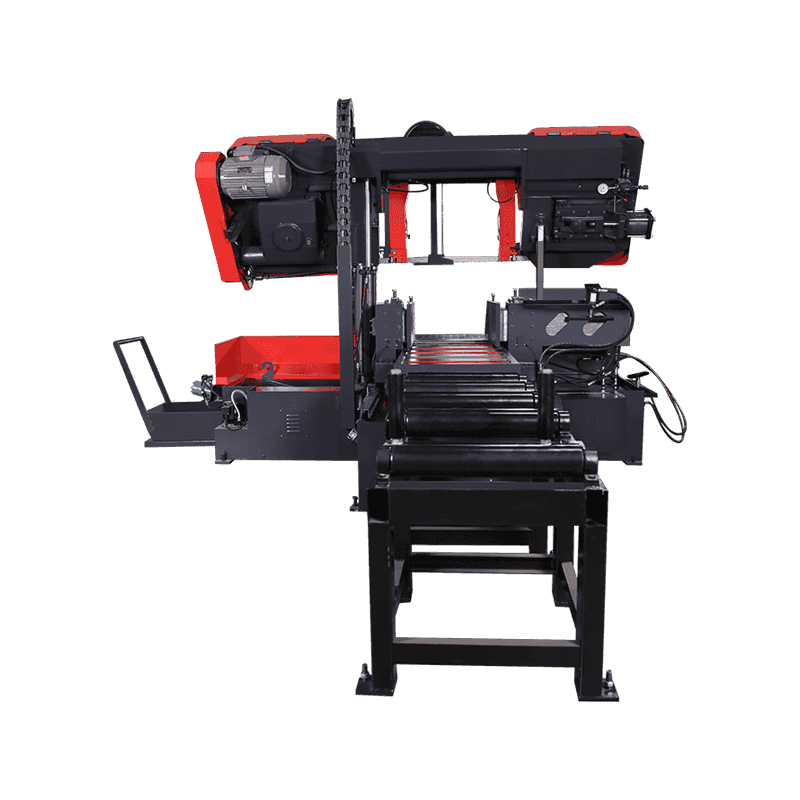
Accuracy in Cutting: The Role of Technology
Accuracy is another critical factor that these machines contribute to. Steel pipe cutting machines and vertical metal band sawing machines are equipped with advanced measuring systems that enable them to make highly accurate cuts. The combination of laser or optical sensors and computer-controlled systems ensures that each cut is consistent, reducing the risk of errors during the manufacturing process.
The precision provided by these machines helps manufacturers avoid waste and rework. With more accurate cuts, less material is lost during the cutting process, which not only improves the yield but also lowers production costs. This makes it possible to deliver products with tight tolerances, which is essential for industries that require high-quality components.
Key Features That Enhance Cutting Efficiency
Several features of steel pipe cutting machines and vertical metal band sawing machines enhance their cutting efficiency. Some of these features include:
- Automatic Feeding Systems: These machines are equipped with automatic feeding mechanisms that can feed materials into the cutting area without manual intervention. This reduces the need for operator input, allowing for more consistent results and less human error.
- Variable Speed Controls: Many modern cutting machines allow operators to adjust the speed of the cutting process based on the material being worked on. This flexibility helps to optimize cutting speed and quality, ensuring that each material type is handled appropriately.
- High-Performance Blades: The blades used in these machines are designed for durability and can maintain their sharpness over extended periods, reducing the need for frequent replacements and helping to maintain consistent cutting quality.
- Advanced Cooling Systems: The cooling systems incorporated in these machines help to maintain a temperature during cutting, preventing overheating and ensuring that both the machine and material remain in good condition throughout the process.
These features work together to enhance the performance of the machines, improving their ability to cut materials efficiently and with accuracy.
Practical Applications and Industries Benefiting from These Machines
Steel pipe cutting machines and vertical metal band sawing machines are used in various industries where precise cutting is crucial. Some of the key sectors that benefit from these machines include:
- Construction: Steel pipe cutting machines are commonly used in construction for cutting pipes to specific lengths required for building infrastructure.
- Automotive: In the automotive industry, precision cutting is essential for creating metal parts used in the assembly of vehicles.
- Manufacturing: Manufacturers of metal products rely on these machines to achieve consistent and accurate cuts, ensuring that components fit together perfectly in assembly processes.
- Metalworking: Metalworking industries use these machines to cut various metal alloys, ensuring that the materials meet the required specifications.
Frequently Asked Questions (FAQs)
- How do steel pipe cutting machines improve production speed?
Steel pipe cutting machines improve production speed by automating the cutting process and reducing the need for manual intervention. This allows for faster material processing and less downtime between cuts.
- Are vertical metal band sawing machines suitable for all materials?
Vertical metal band sawing machines are versatile and can cut a wide range of materials, including steel, aluminum, and other metals. However, the specific material type may require adjustments in speed and blade type to ensure cutting performance.
- How do advanced sensors contribute to accuracy in cutting?
Advanced sensors, such as lasers and optical measuring systems, allow steel pipe cutting machines and vertical metal band sawing machines to measure material thickness and adjust cutting paths in real-time, ensuring precise cuts and reducing material waste.
- What maintenance is required for steel pipe cutting machines?
Steel pipe cutting machines require regular maintenance, including blade replacement, lubrication of moving parts, and cleaning of cooling systems. Regular checks on the machine's sensors and controls help ensure smooth operation and consistent performance.
- Can these machines handle large volumes of work?
Yes, both steel pipe cutting machines and vertical metal band sawing machines are designed to handle large volumes of work. Their robust construction and high throughput capabilities make them suitable for industries with high production demands.
- What factors should be considered when selecting a cutting machine?
When selecting a cutting machine, factors such as material type, cutting speed, precision requirements, and the overall volume of work should be considered. It's important to choose a machine that can handle the specific needs of your production line.
 CONTACT US
 CONTACT US