


 english
 Русский
 Español
 Русский
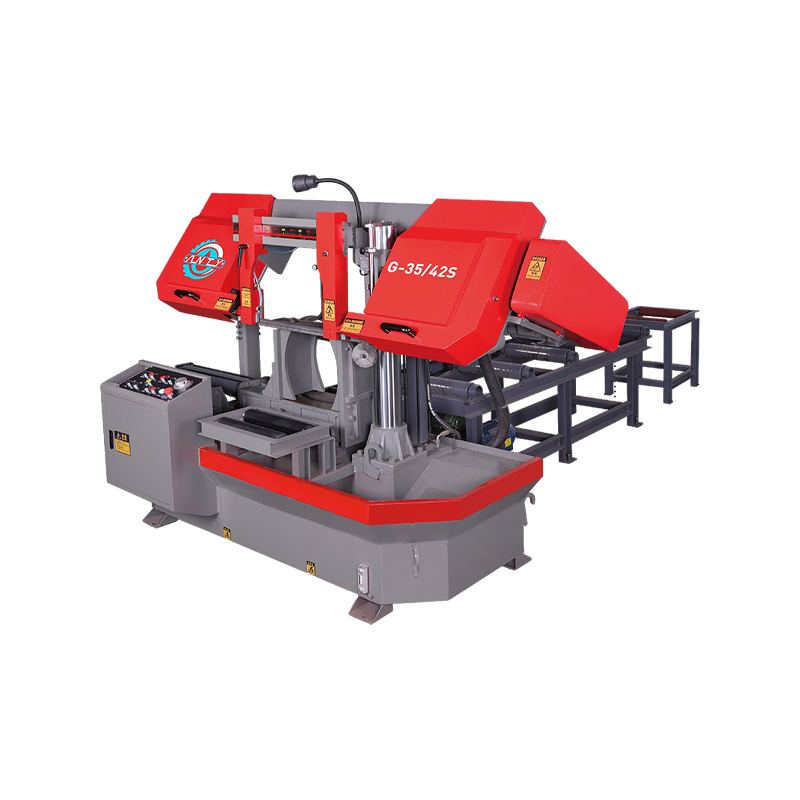
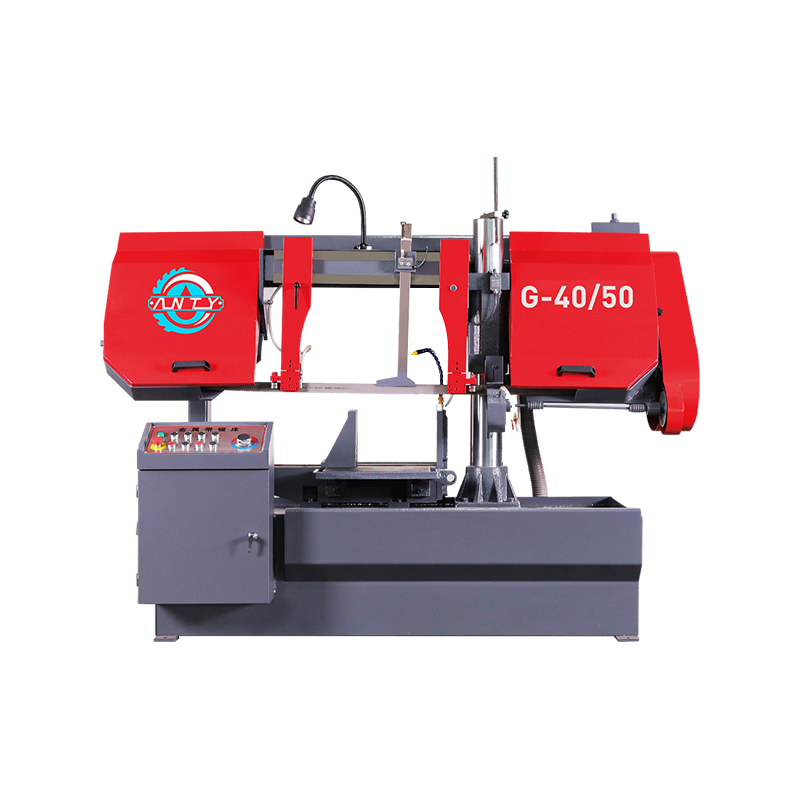
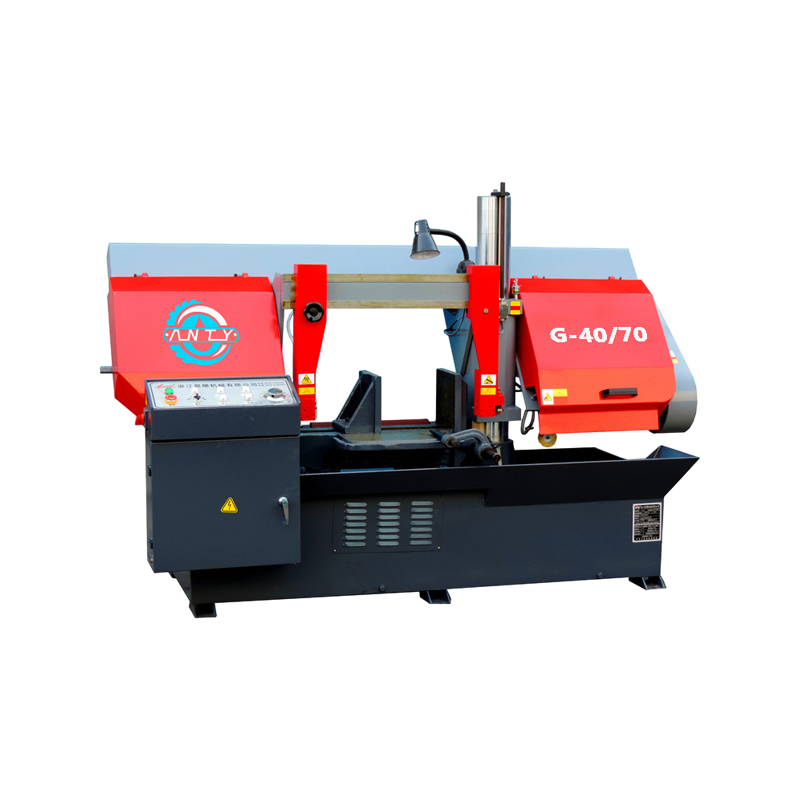
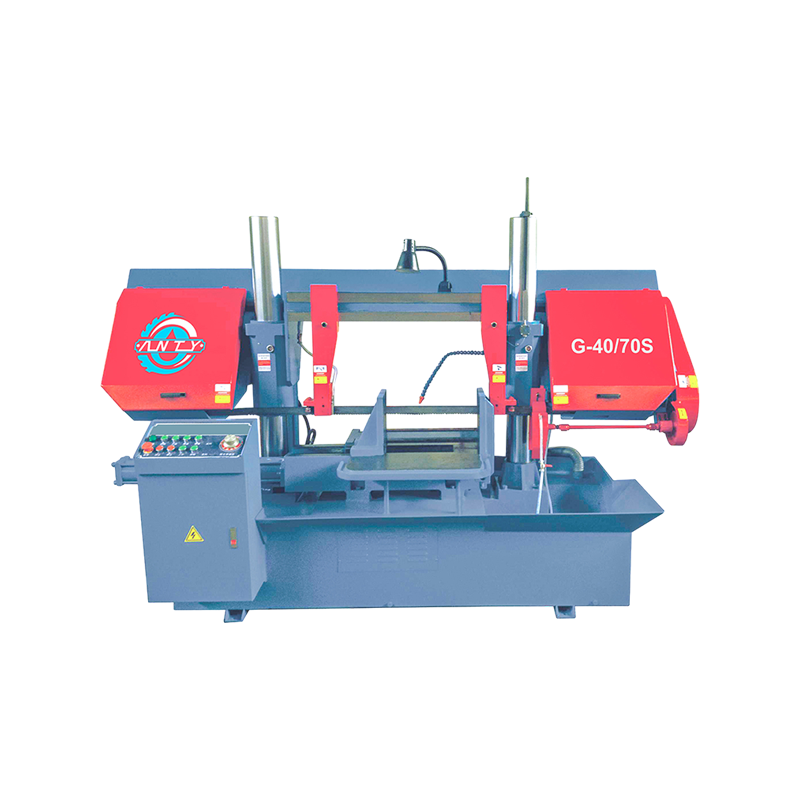
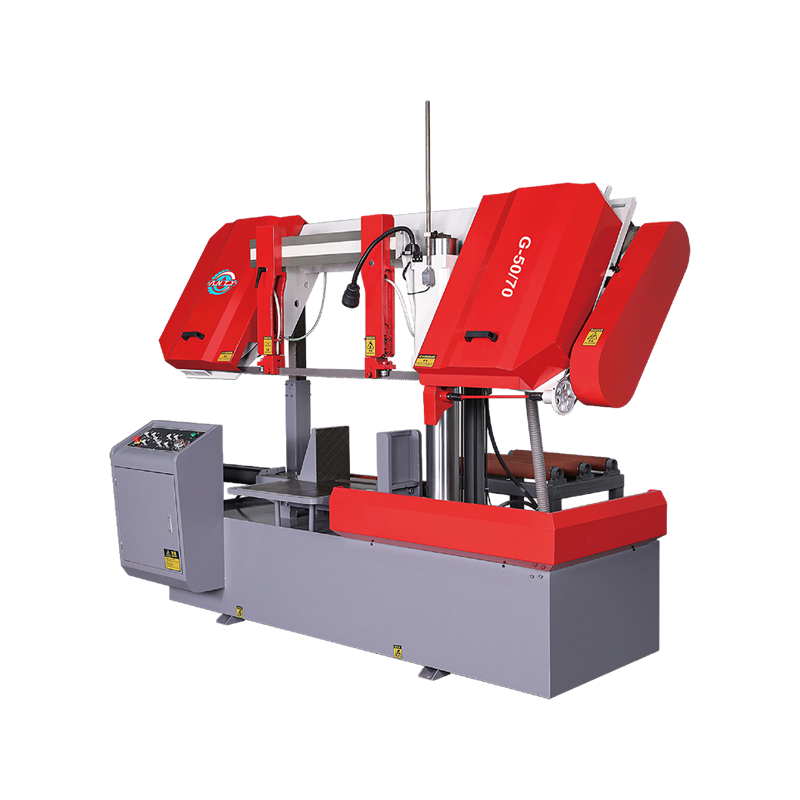
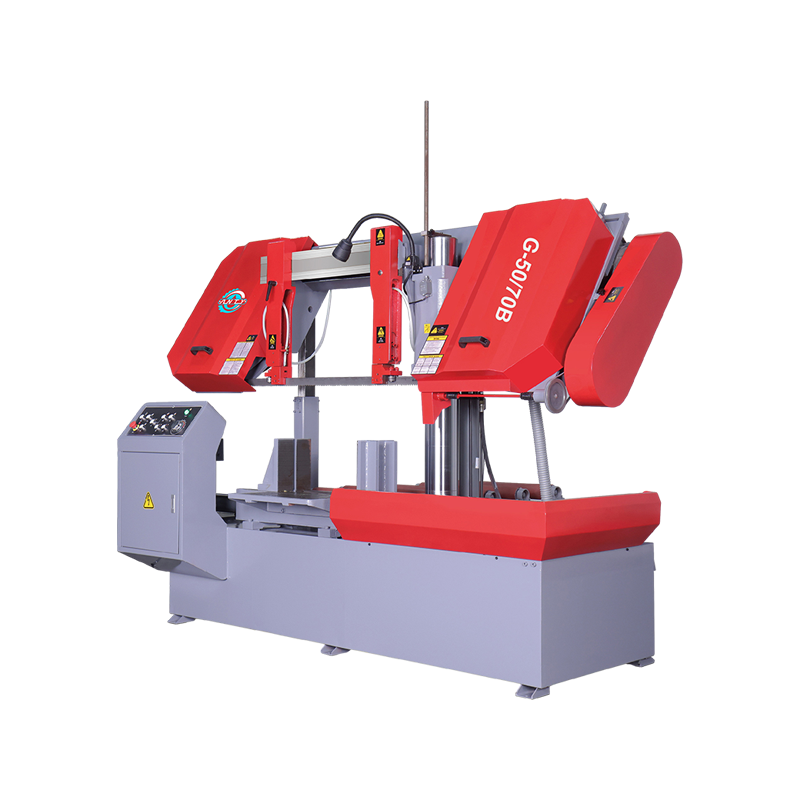
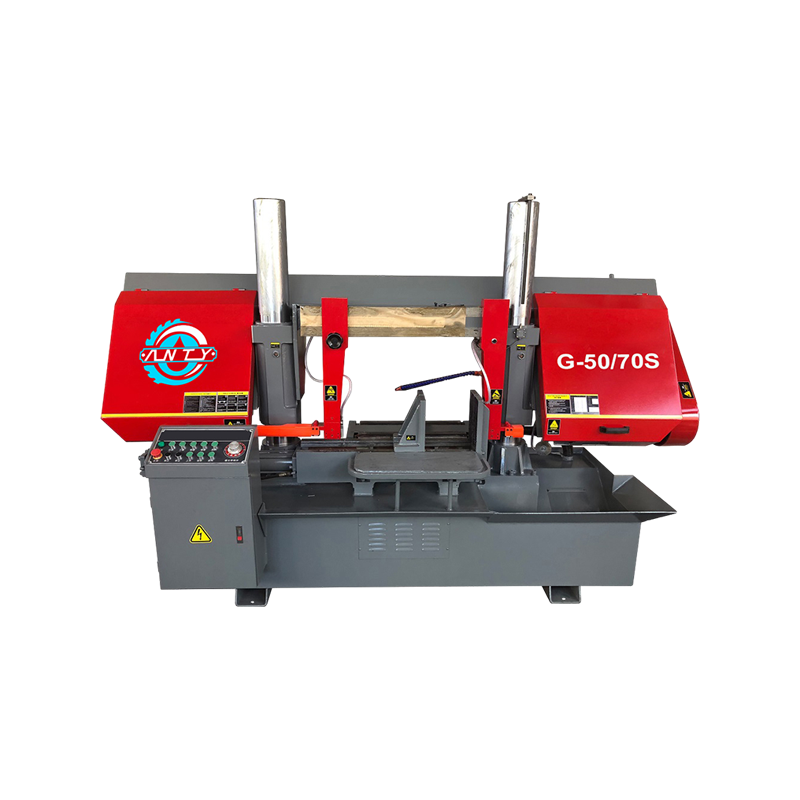
In industries requiring precision cutting, the steel pipe cutting machine and vertical metal band sawing machine are invaluable tools. These machines are often essential for achieving accurate and uniform cuts in various materials, especially metal pipes and profiles. The flexibility to customize cutting heights based on specific project requirements can significantly impact workflow efficiency and product quality. This article explores how adjusting cutting heights with vertical metal band sawing machines can optimize operations across different applications.
The Importance of Customizing Cutting Heights
When it comes to cutting metal pipes, the ability to set the appropriate cutting height is crucial for maintaining consistency and achieving desired results. A vertical metal band sawing machine provides precise control over cutting heights, making it adaptable to a variety of industrial projects. This feature is particularly important for manufacturers dealing with materials of varying thicknesses or needing customized cutting specifications.
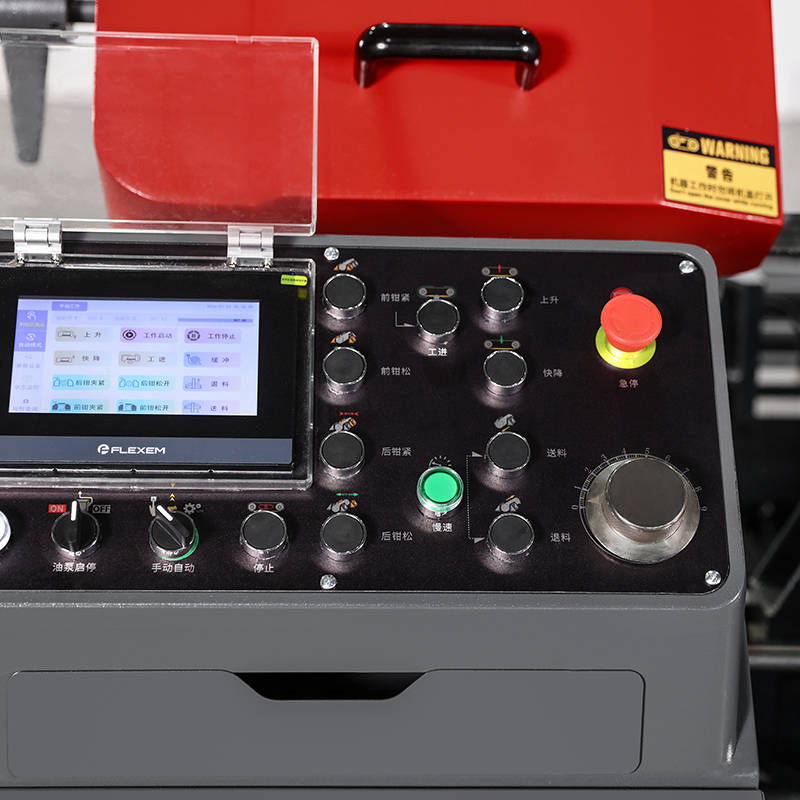
Key Features of a Vertical Metal Band Sawing Machine
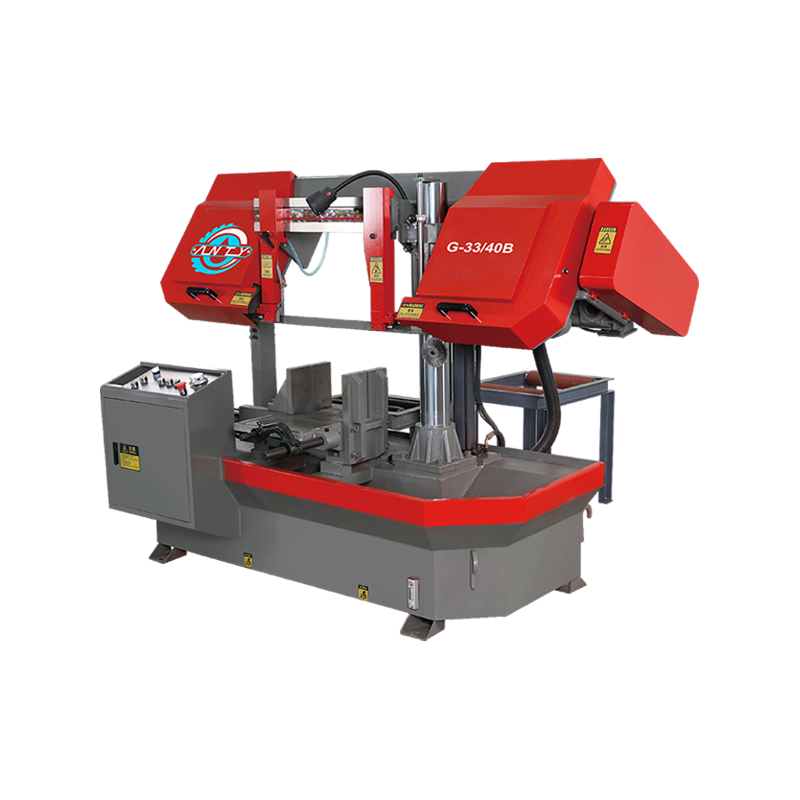
A vertical metal band sawing machine stands out because of its capacity for vertical cutting, which allows for greater precision and versatility compared to horizontal counterparts. These machines are equipped with adjustable feed rates and cutting heights that cater to different material sizes. This adaptability ensures that operators can customize the cutting process according to project-specific requirements.
In addition to adjustable cutting heights, these machines typically feature enhanced stability during operation. The sturdy structure helps reduce vibrations, causing smoother, more accurate cuts. This stability is particularly important when working with tough metals, such as stainless steel or high-carbon steel, where cutting precision is critical.
Common Applications in Metalworking
Vertical metal band sawing machines are widely used in industries such as construction, automotive, and manufacturing, where cutting pipes and metal profiles is a routine task. Here are some common applications where adjusting cutting heights is particularly beneficial:
- Pipe Cutting: Whether cutting steel pipes, aluminum tubes, or copper, vertical band saws can be adjusted to cut at different heights, ensuring that each piece meets project specifications.
- Profile Cutting: When working with structural profiles, adjusting the cutting height allows for accurate cuts that match design drawings or assembly requirements.
- High-Volume Production: For manufacturers producing large quantities of cut materials, adjusting the cutting height can streamline operations and reduce downtime between different project runs.
Choosing the Right Cutting Height for Various Materials
The ideal cutting height can vary depending on the material being cut and the specific application. For example, thinner pipes or profiles may require a lower cutting height, while thicker materials often need higher cutting settings to maintain cutting efficiency. Understanding the relationship between material thickness and cutting height is crucial for optimizing machine performance.
Here's a simple guide to understanding the relationship between cutting height and material thickness:
|
Material Type |
Recommended Cutting Height |
Notes |
|
Thin-walled Steel Pipe |
Low |
For precise cuts, minimize height. |
|
Thick-walled Steel Pipe |
Medium to High |
Requires more power for clean cuts. |
|
Aluminum Profiles |
Low to Medium |
Requires moderate cutting height. |
|
Stainless Steel Pipes |
High |
Higher cutting height for smooth cuts. |
This table provides a basic understanding of how adjusting the cutting height can be critical for different materials.
Advantages of Adjustable Cutting Heights
Reduced Material Waste: By tailoring the cutting height to the material, operators can prevent excess cutting or unnecessary scrap. This is especially important in projects with strict material cost limitations.
Increased Cutting Precision: Customizing the cutting height helps achieve cleaner and more uniform cuts, causing better quality finished products.
Faster Setup Times: The ability to quickly change the cutting height based on project specifications reduces downtime and increases overall machine efficiency.
Frequently Asked Questions (FAQ)
- Can the cutting height be adjusted automatically?
Yes, many modern vertical metal band sawing machines offer automatic height adjustment features. This allows operators to set the cutting height with precision, reducing the need for manual intervention and speeding up the process.
- How do I know the right cutting height for my material?
Always consult the machine's user manual for recommended settings or refer to material-specific guidelines to avoid overcutting or undercutting.
- Can I use the same vertical metal band saw for different materials?
Yes, vertical metal band saws are versatile and can handle a range of materials, from steel pipes to aluminum profiles. Adjusting the cutting height ensures the saw can handle various material types effectively.
- What maintenance is required for adjustable cutting height mechanisms?
Regular maintenance includes checking the alignment of the cutting mechanism, lubricating moving parts, and ensuring the height adjustment system operates smoothly.
- How does cutting height affect the saw blade's lifespan?
Maintaining the appropriate cutting height for each material type can prevent excessive wear on the saw blade. Overuse or improper height settings can cause faster blade deterioration.
 CONTACT US
 CONTACT US