


 english
 Русский
 Español
 Русский
Modern workshops increasingly rely on advanced cutting tools to manage diverse materials efficiently. Equipment such as the Circular Saw Blade and M42 Bi-metal Band Saw Blade play a significant role in this transition. Their use is not limited to conventional metal or wood cutting—they integrate into processes that require precision, repeatability, and adaptability.
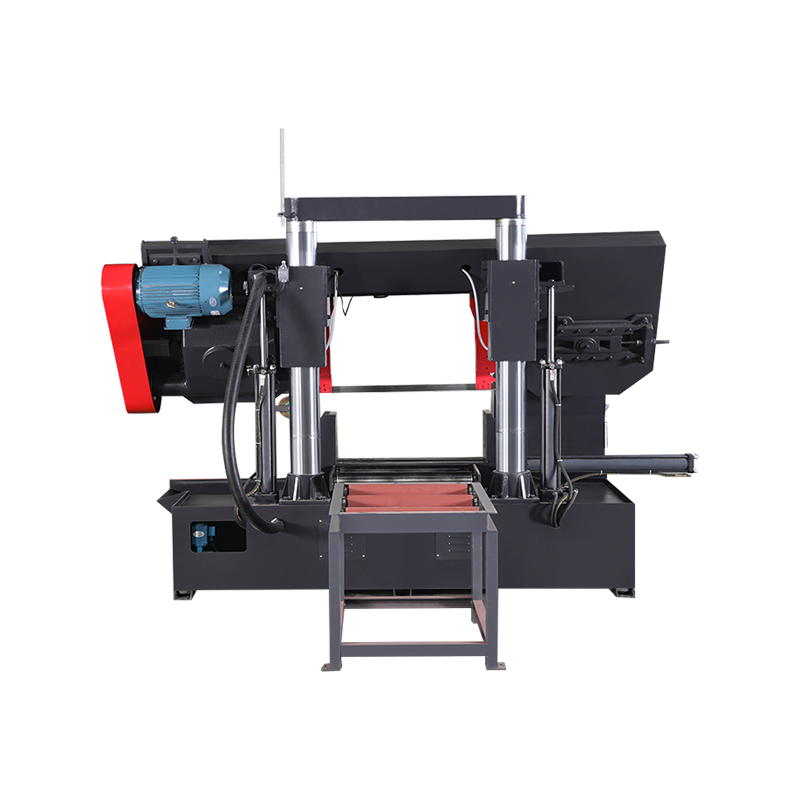
Integrating Circular Saw Blades into Automated Systems
Circular saw blades are often incorporated into CNC or semi-automated cutting stations. By aligning blade rotation speeds and feed rates with material type, operators can reduce unnecessary wear on equipment and avoid irregular cuts. In workshops where multiple materials are processed, having a dedicated blade for each material type, or using variable-tooth circular blades, ensures more consistent cutting performance. The careful selection of blade diameter and tooth design also allows smooth transitions between different thicknesses without needing constant manual adjustments.
Practical Applications of M42 Bi-metal Band Saw Blades
M42 Bi-metal Band Saw Blades are valued for their versatility across various metals, including stainless steel, aluminum, and tool steels. These blades maintain cutting accuracy while handling materials of varying hardness. For workshops with mixed production lines, bi-metal band saw blades offer a balance between durability and flexibility, enabling smoother operation over long cutting sequences. Their compatibility with automatic tensioning systems helps reduce the frequency of blade replacement or manual recalibration, keeping the workflow steady and predictable.
Routine Maintenance for Consistent Operation
Check blade tension regularly to prevent uneven cuts or blade drift.
Clean the blade after each use to remove metal particles, resin, or lubricants.
Inspect teeth for chipping or rounding, and replace or resharpen as necessary.
Monitor cutting speed and feed rate adjustments for different material batches.
Routine maintenance extends the service life of both circular and bi-metal blades while reducing unexpected downtime. A well-maintained blade contributes to safer handling, especially when operating automated equipment.
Reducing Material Waste Through Accurate Cutting
Precision in cutting is essential for managing both costs and material usage. By calibrating circular saw blades to appropriate cutting depths and speeds, operators can reduce the number of defective or misaligned pieces. Similarly, M42 bi-metal band saw blades allow for more controlled cuts on harder metals, lowering the likelihood of scrap material. Accurate blade selection and alignment can therefore contribute to a more sustainable workflow, while reducing the need for excessive trimming or reprocessing.
Enhancing Safety in Workshop Environments
The presence of smart sensors and guards integrated with circular saw and band saw setups can help monitor blade performance and detect abnormal vibrations or temperature changes. Keeping blades sharp and properly tensioned reduces the chance of sudden slips or binding, which are common sources of injury. Additionally, scheduling routine inspection and replacement ensures that operators handle equipment under predictable conditions, supporting consistent safety practices.
Adapting Blade Choice to Workflow Demands
A practical approach to blade selection considers the diversity of tasks in the workshop. For repeated cuts of soft metals or wood, a standard circular blade may suffice, while M42 bi-metal band saw blades are preferred for harder or mixed materials. Aligning blade choice with job type avoids excessive blade wear and supports smoother workflow transitions between different cutting stations.
Incorporating both circular saw blades and M42 bi-metal band saw blades into a workshop not only addresses varied material needs but also aligns with broader operational goals such as workflow predictability and efficient space utilization. Paying attention to blade condition, machine compatibility, and cutting parameters allows workshops to maintain steady output while adapting to diverse production requirements. Over time, these considerations help create a system where cutting tools support the overall functionality of smart workshop operations without relying on constant oversight or reactive adjustments.
 CONTACT US
 CONTACT US