


 english
 Русский
 Español
 Русский
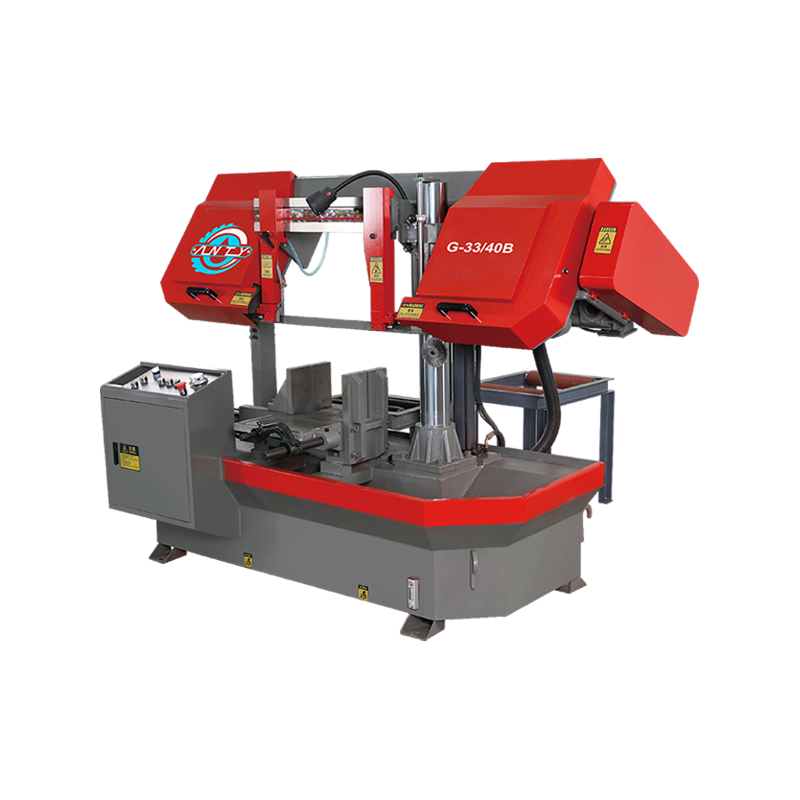
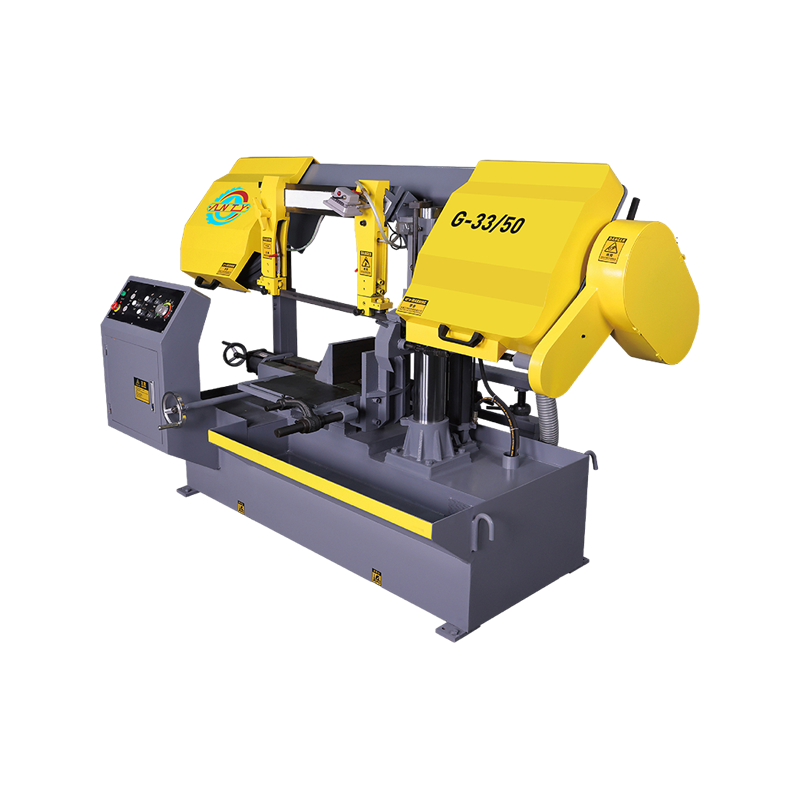
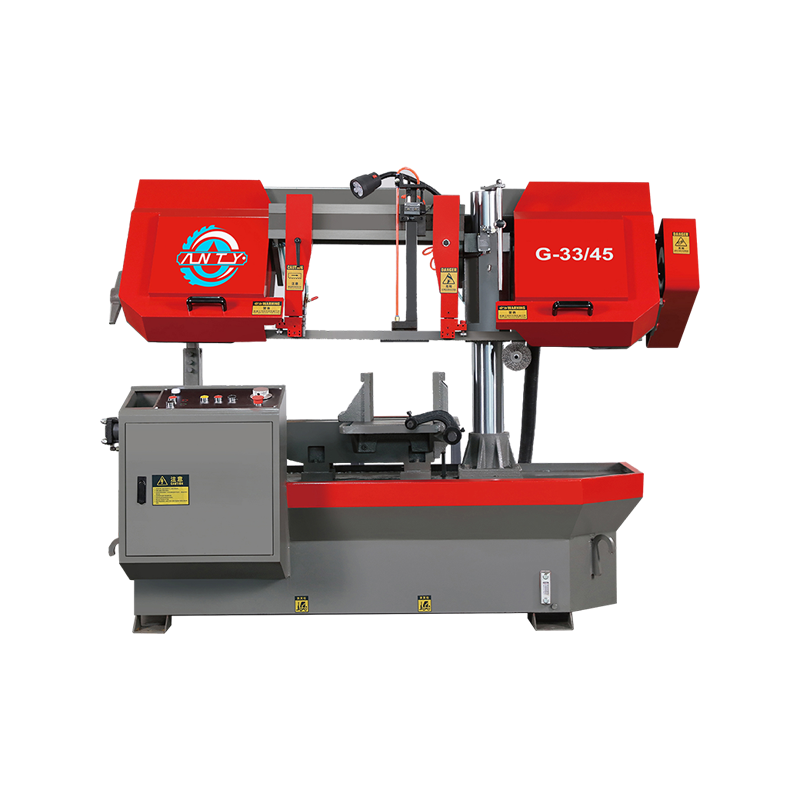
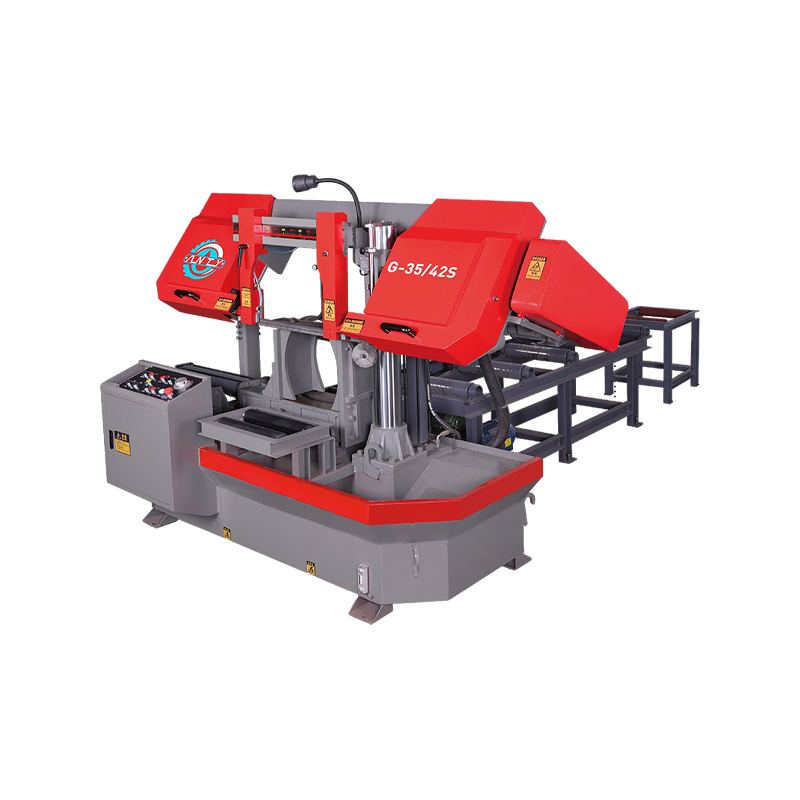
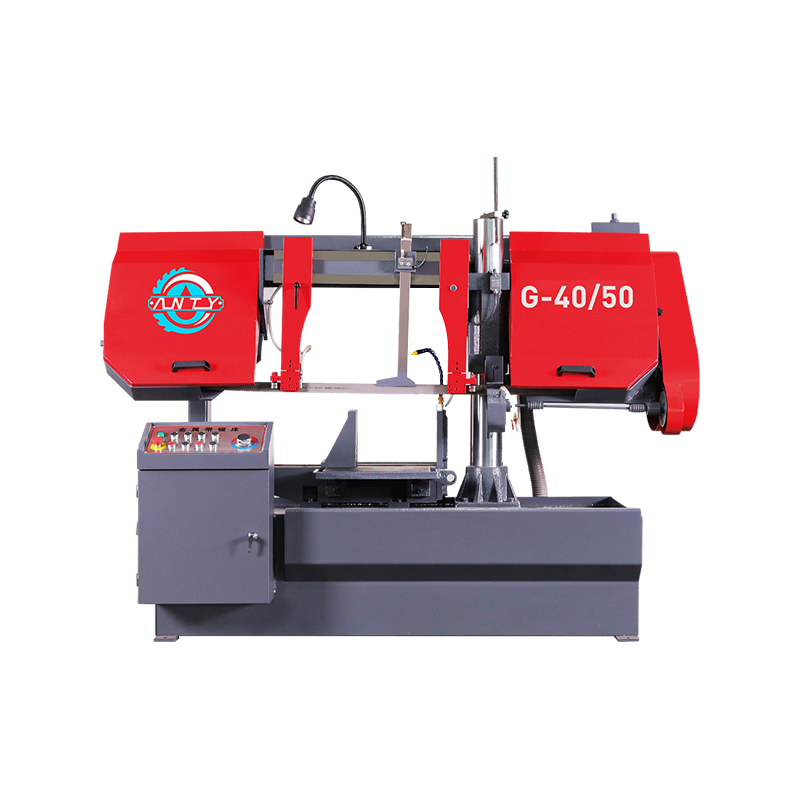
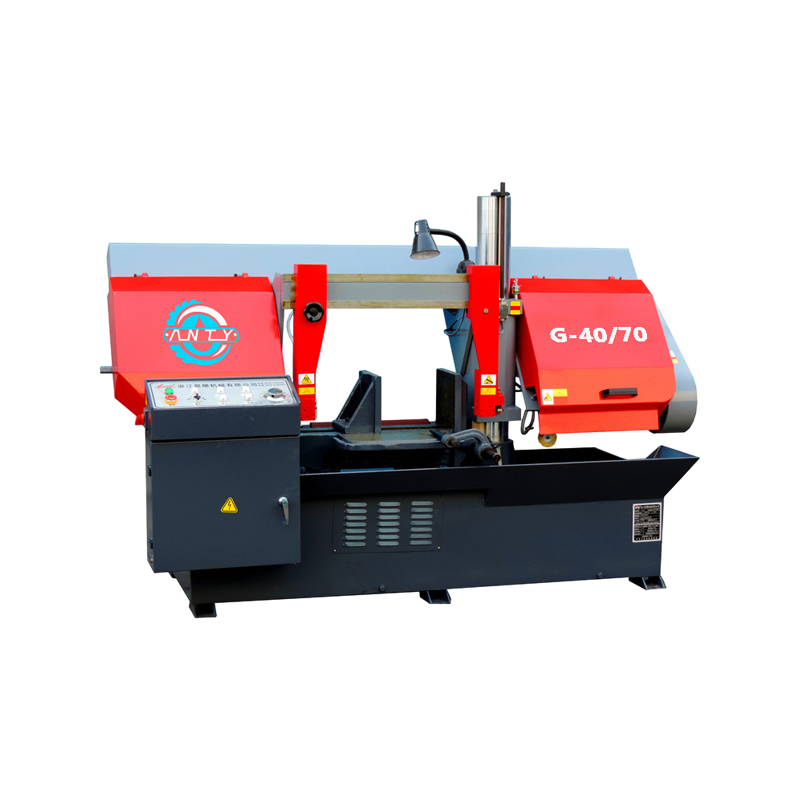
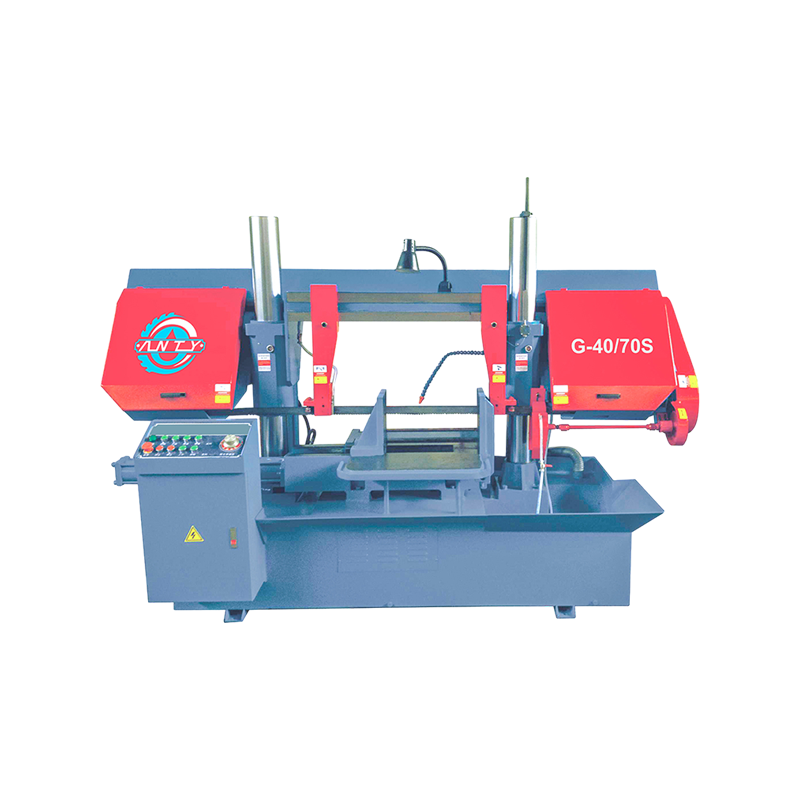
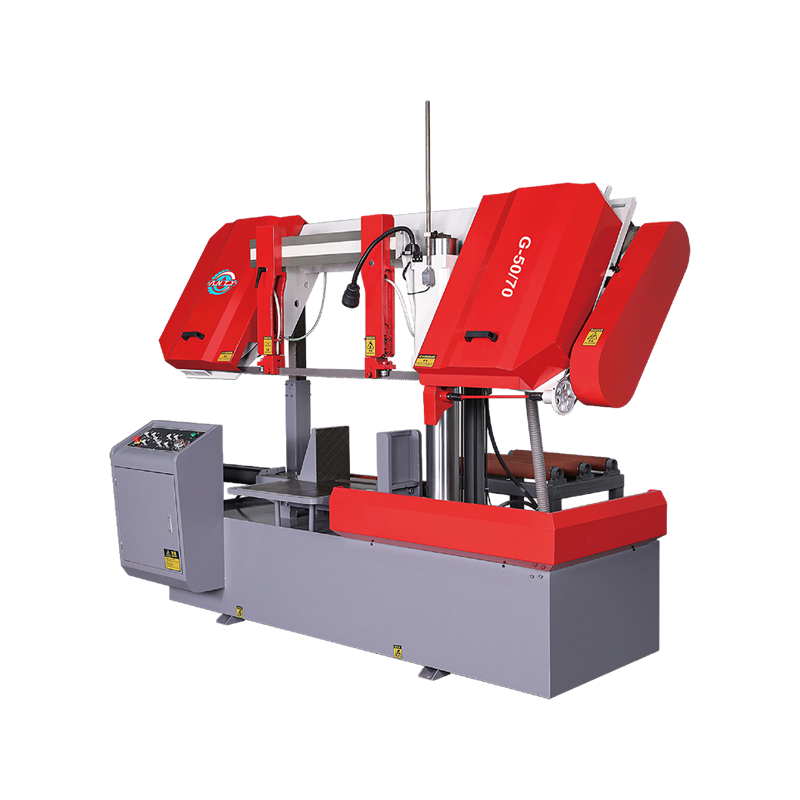
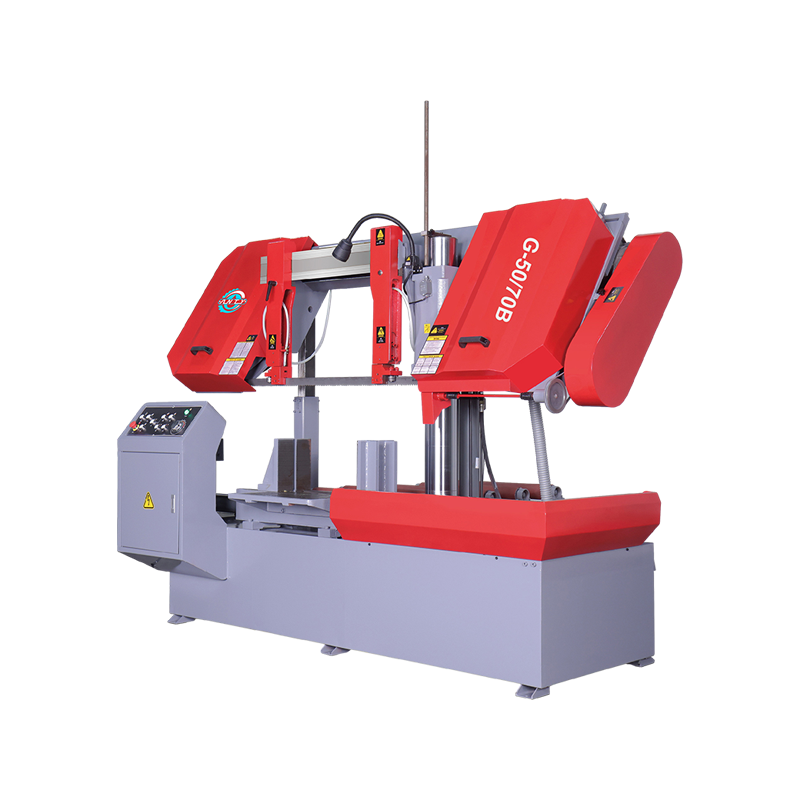
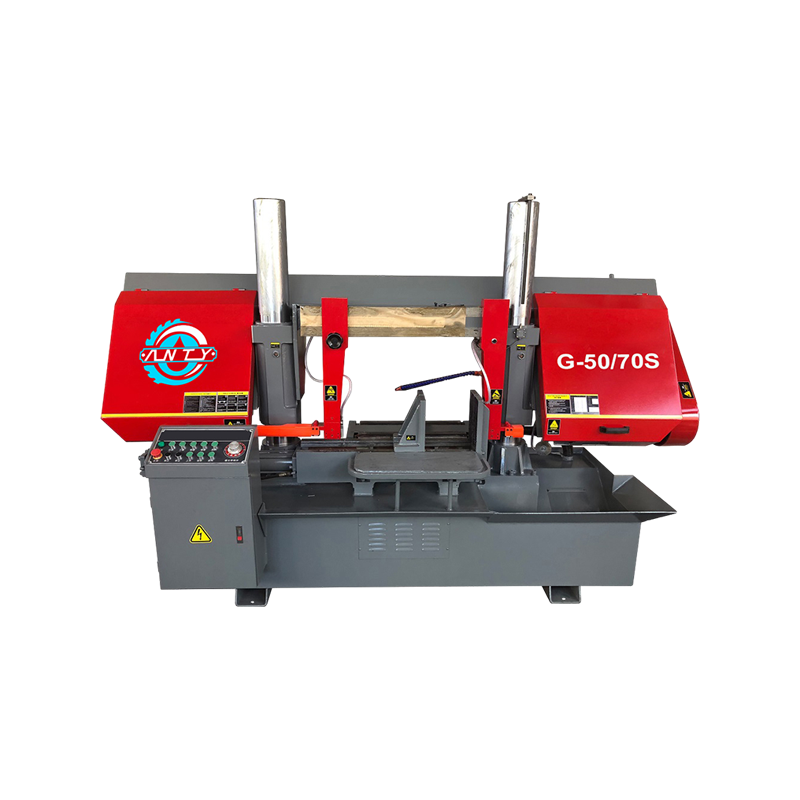
For industries handling various metal materials, a Metal Cutting Band Sawing Machine or a Rotary Angle Horizontal Metal Band Sawing Machine can play a significant role in enhancing cutting processes. These machines are designed to handle materials ranging from small precision parts to large metal sections, providing controlled cutting for applications in automotive, aerospace, machinery, and electronics sectors. Understanding how these machines can improve cutting involves examining setup, operational adjustments, material handling, and maintenance practices.
Adapting Cutting Angles for Complex Parts
Rotary angle horizontal metal band sawing machines allow the saw wheel angle to be adjusted according to the cutting requirements. This flexibility supports the processing of parts that require non-standard angles, such as engine components, frames, or structural supports. Properly setting the angle ensures that cuts are aligned with design specifications and reduces the likelihood of material waste. Operators should verify that the workpiece is securely clamped and that the saw blade aligns with the intended angle to maintain consistent cut quality.
Controlling Speed and Feed for Material Types
Different metal materials respond differently to cutting. Soft metals like aluminum require a different cutting speed compared with harder metals such as stainless steel or titanium alloys. Adjusting the cutting speed and feed rate according to the material helps maintain smooth cutting motion, prevents undue strain on the saw blade, and reduces surface irregularities. Observing the cutting process and making incremental adjustments can improve precision and reduce the risk of uneven edges.
Enhancing Workpiece Stability
Workpiece stability is a critical factor for clean cuts. Rotary angle horizontal metal band sawing machines often include fixtures or clamps that hold the material firmly during operation. Ensuring that these fixtures are properly positioned helps prevent vibration and shifting during cutting. For longer or heavier materials, additional supports along the cutting path can prevent sagging or misalignment. Stable positioning supports consistent cutting accuracy and can extend the life of the saw blade.
Maintaining Equipment for Consistent Performance
Regular maintenance contributes to reliable cutting performance. Inspecting saw blades for wear, teeth damage, or cracks allows operators to replace or adjust them before they affect cutting quality. Lubrication of moving parts, checking alignment, and cleaning debris from the cutting area ensures that the machine operates smoothly. Consistent maintenance prevents interruptions during production and helps maintain the desired surface finish.
Organizing Workflow and Safety Measures
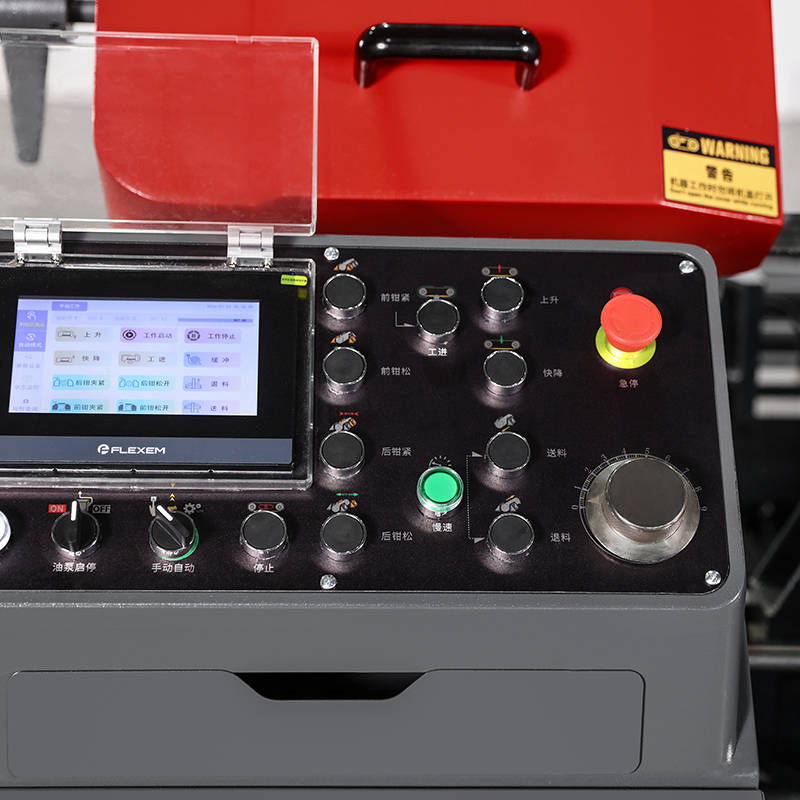
A well-organized workspace allows operators to focus on cutting tasks without obstruction. Ensuring adequate space around the machine, proper lighting, and accessible control panels reduces the chance of errors or accidents. Operators should follow recommended safety measures, including protective equipment and monitoring automated feeding and cutting functions. Proper handling reduces the likelihood of material damage or personal injury, supporting a safer and more controlled cutting environment.
Monitoring and Adjusting for Different Applications
Rotary angle horizontal metal band sawing machines are used for a range of applications, from cutting automotive parts to preparing components for machinery assembly. Monitoring the machine’s performance during different tasks allows operators to make adjustments suited to each material or part type. Recording observations, such as blade wear patterns or cutting surface conditions, provides guidance for future adjustments and supports consistent results across multiple production cycles.
 CONTACT US
 CONTACT US