


 english
 Русский
 Español
 Русский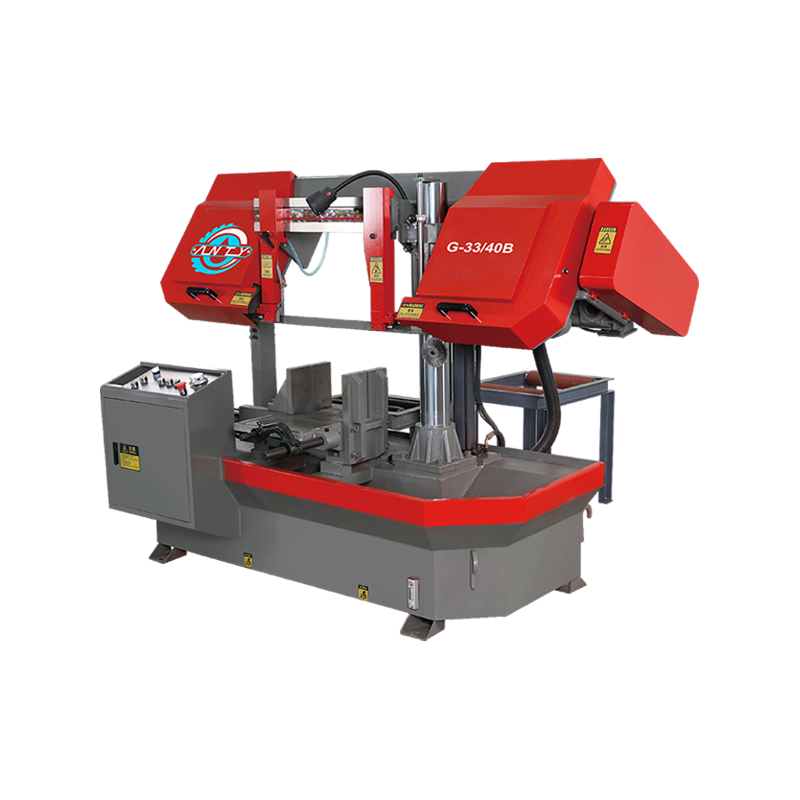


What Should Buyers Consider When Choosing a Vertical Metal Band Sawing Machine?
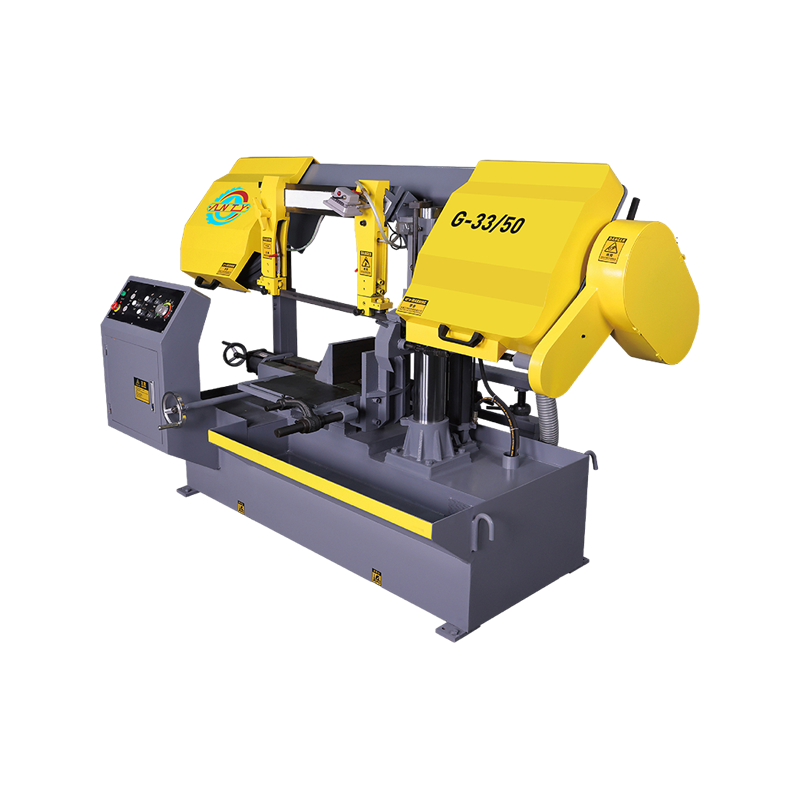
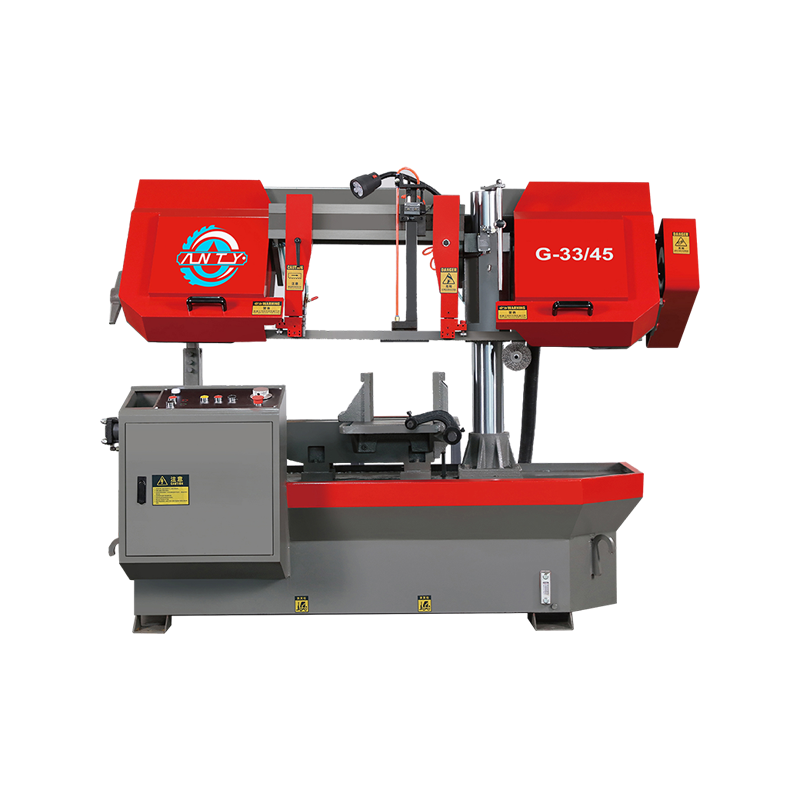
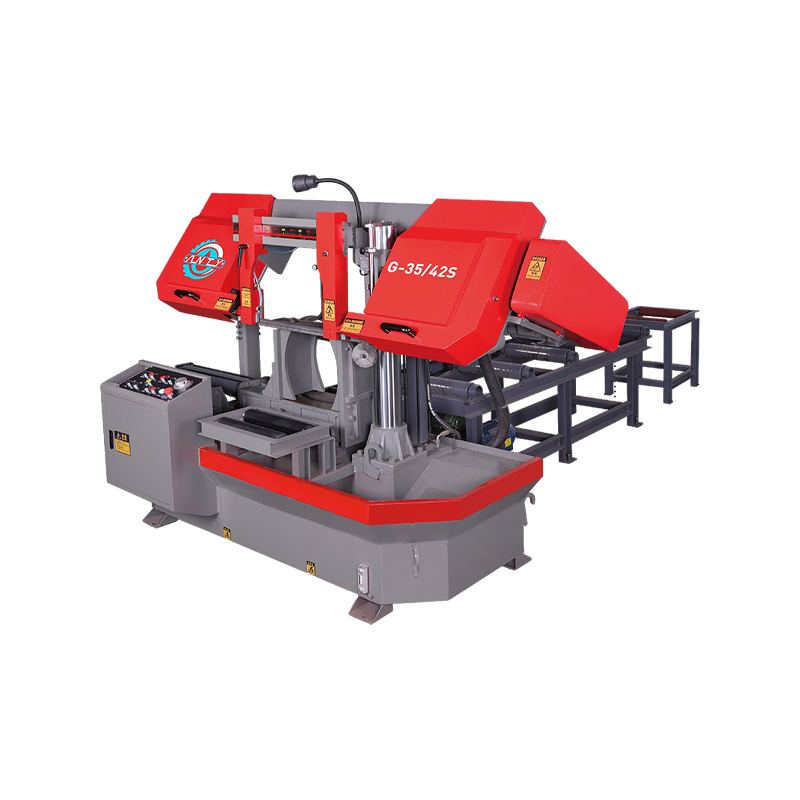
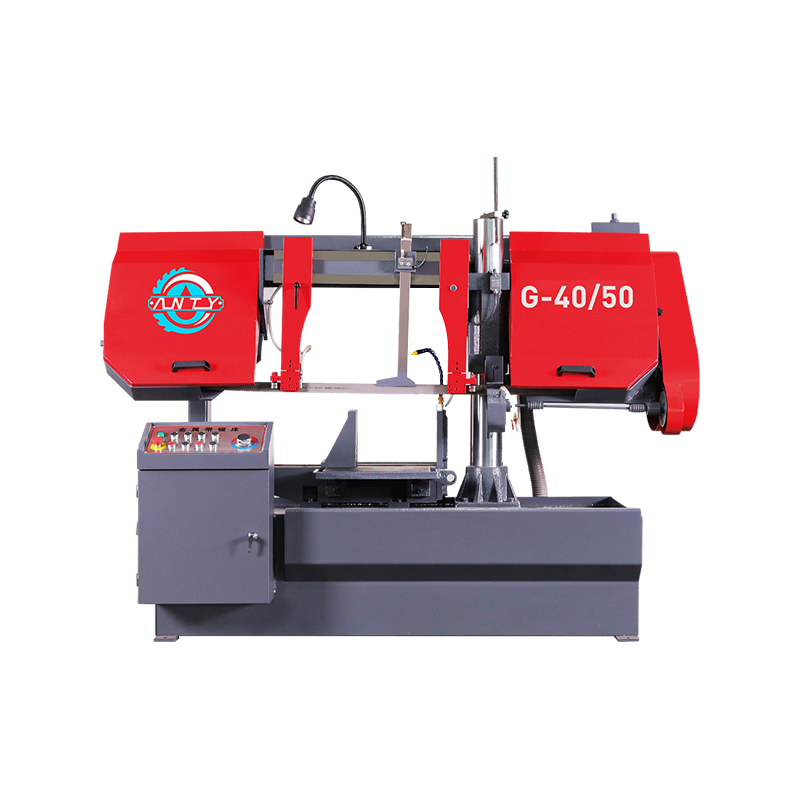
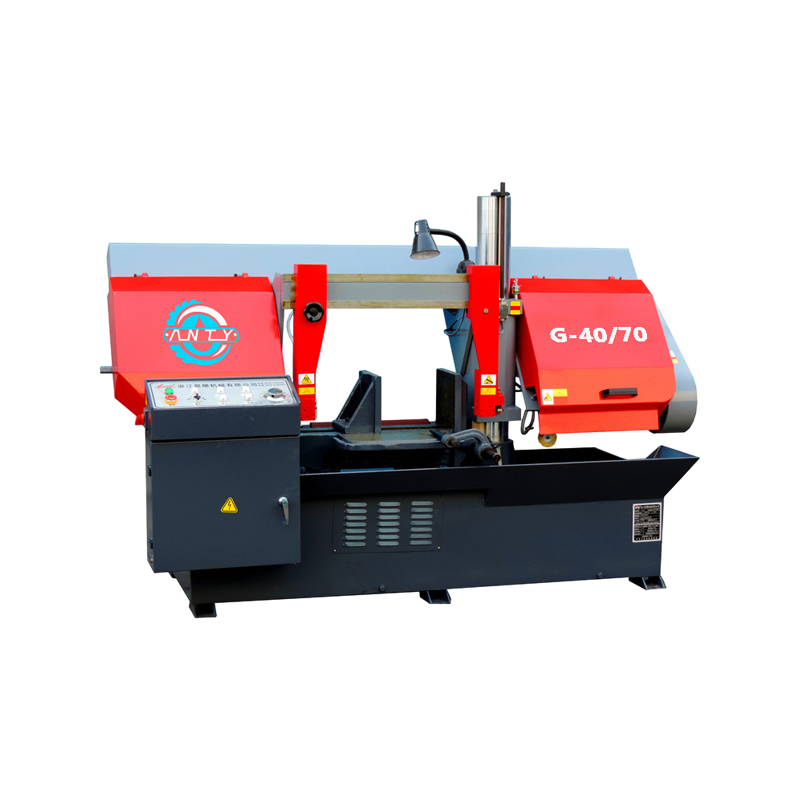
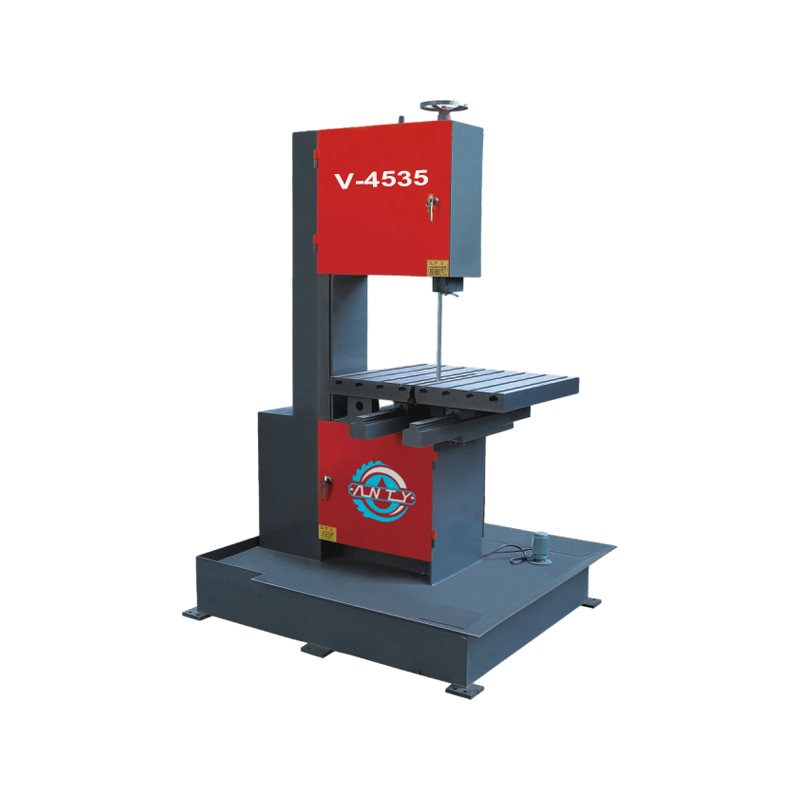
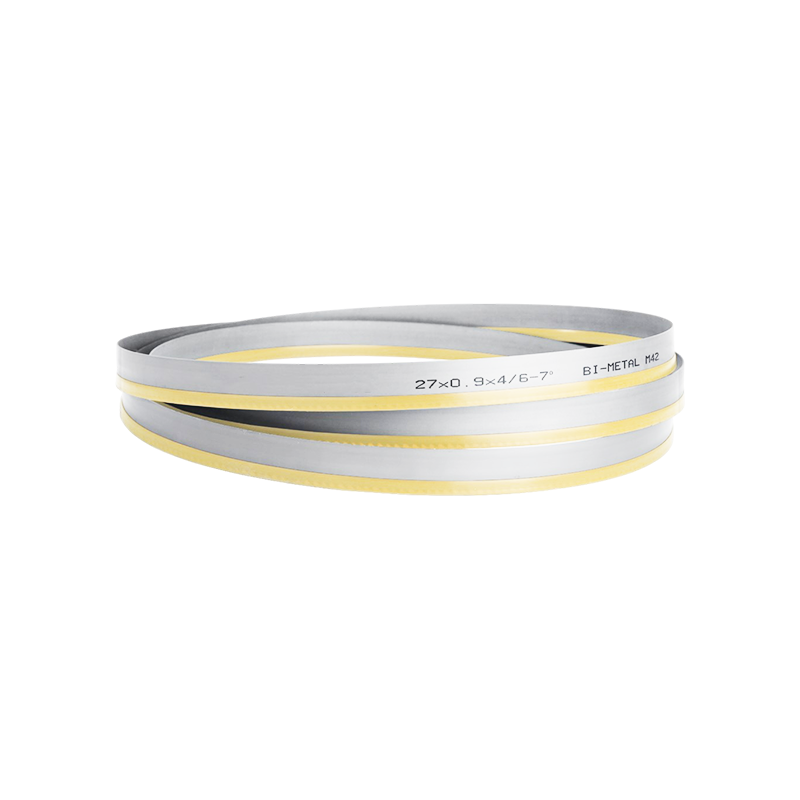
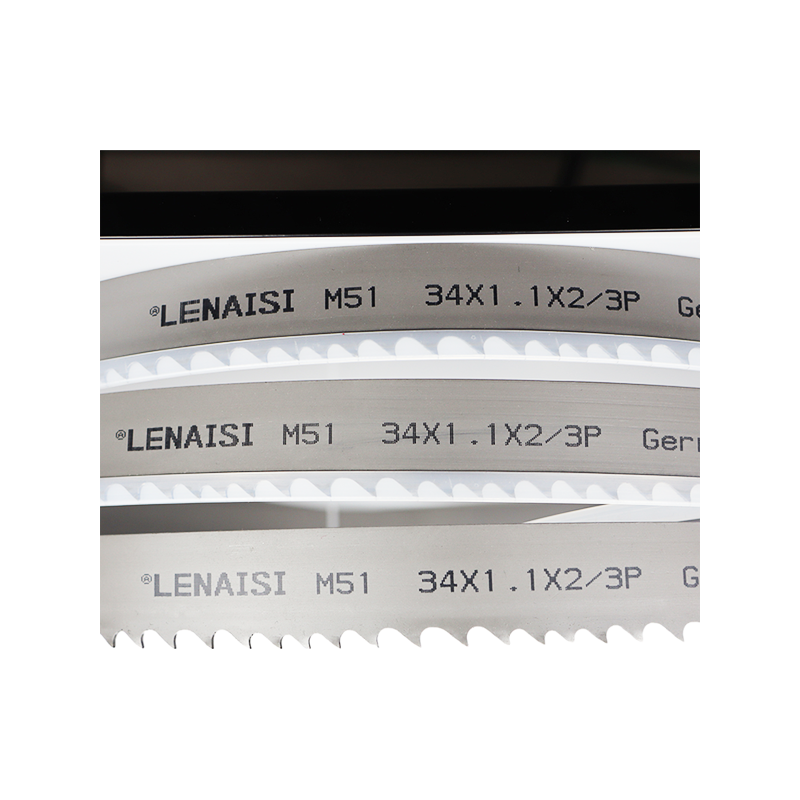
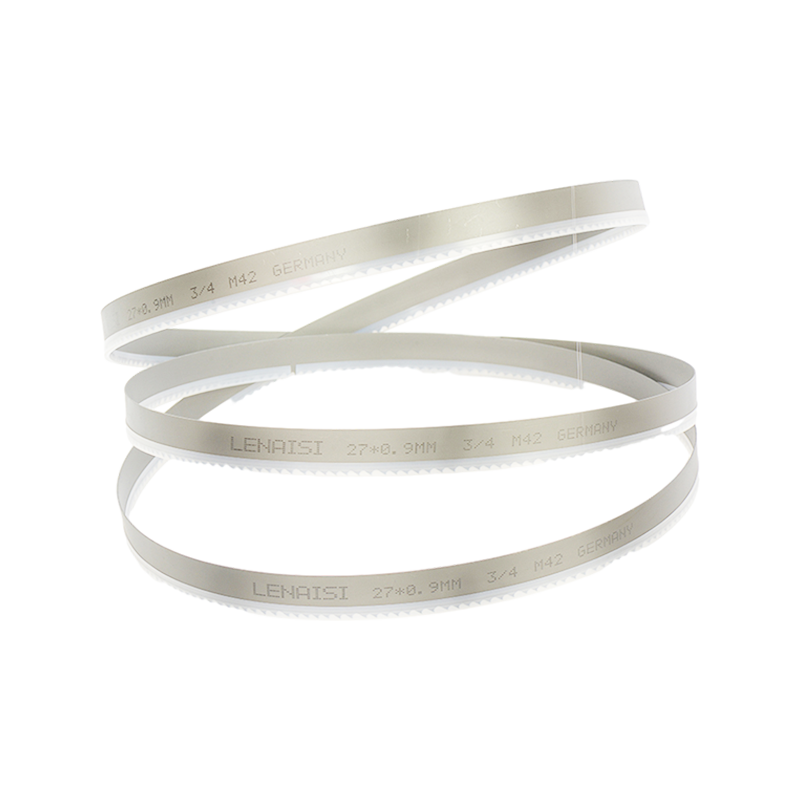
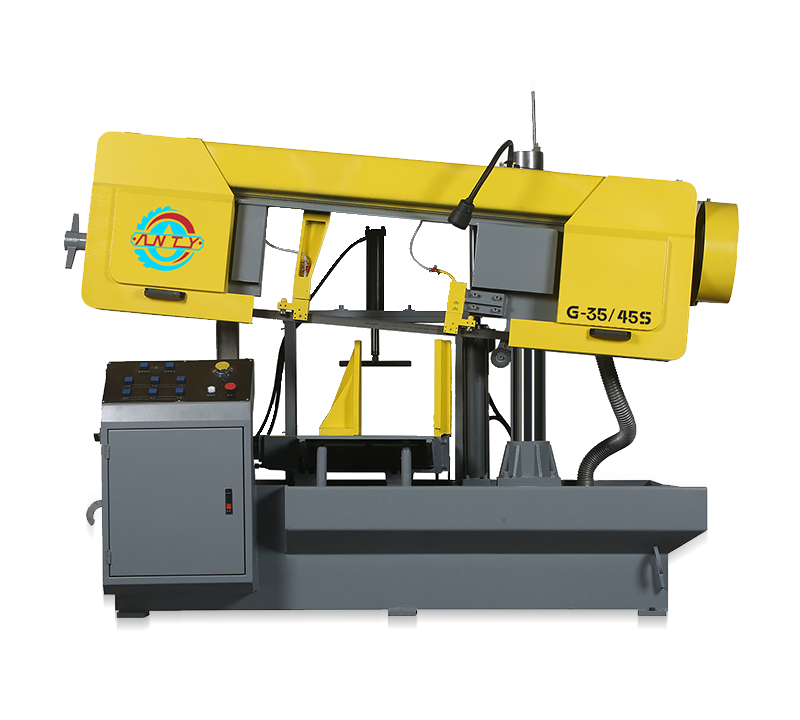
A Vertical metal band sawing machine is often considered when manufacturers need more flexibility than a conventional straight-cutting saw can provide. In metal fabrication, tooling, machinery manufacturing, and small-batch production, buyers are increasingly looking beyond basic cutting capacity and asking how a machine will handle different materials, cutting shapes, blade wear, operator control, and long-term production requirements. Recent developments in sawing technology also show growing attention to automation, energy use, cutting stability, and process monitoring, making machine selection a practical production decision rather than simply an equipment purchase. Match the Machine With the Actual Cutting Task The question should be what the machine needs to cut on a daily basis. Vertical band saws are particularly useful where operators need flexibility for contour cutting, irregular shapes, or different workpiece geometries. Unlike machines mainly designed to determine material length, vertical saws can support more flexible cutting operations. Before requesting quotations, buyers should define the material type, workpiece dimensions, required cutting shapes, production volume, and expected cutting tolerance. This prevents purchasing a machine that looks suitable on paper but does not match the actual workshop workflow. Cutting Stability Depends on More Than Blade Speed Blade speed is only one part of cutting performance. Blade tension, guide structure, feed control, machine rigidity, and workpiece positioning can all influence cutting stability. Recent vertical band saw developments have placed attention on reducing blade loading and controlling deflection, showing how mechanical design continues to influence cutting performance. For engineers, the more useful question is therefore not simply “How fast can it cut?” but “Can the machine maintain a stable cutting process under the materials and conditions we actually use?” Choose Blade and Machine Settings Together Different metals respond differently during sawing. Stainless steel, aluminum, carbon steel, and other materials may require different combinations of blade selection, cutting speed, feed rate, and cooling. Incorrect settings can increase blade wear or create unnecessary cutting problems. A practical purchasing checklist should include: Compatibility between blade type and common workpiece materials Adjustable cutting parameters where different materials are processed Effective blade guidance and tension control Suitable coolant or chip-management arrangements Convenient access for blade replacement and routine adjustment Consider Automation Without Losing Flexibility Automation is becoming an important discussion in industrial sawing, particularly where repeated cutting operations consume operator time. Industry examples show how programmed feeding, automatic handling, and digital controls can reduce repetitive intervention and improve process visibility. However, not every workshop needs the same automation level. High-mix production may benefit from flexible operator control, while repetitive orders can justify more automated feeding and programming. Buyers should evaluate automation according to actual workload rather than selecting features simply because they are available. Energy Use and Maintenance Are Part of Equipment Cost Energy efficiency has also become more visible in current sawing equipment development. Recent machine designs have explored electromechanical feed systems and control technologies intended to use power more efficiently during actual cutting operations. For procurement teams, this means evaluating more than the initial machine price. Blade consumption, maintenance accessibility, downtime, power requirements, coolant management, and replacement parts can all affect the practical cost of ownership. Ask the Manufacturer About Production Support A machine should fit the production environment, but manufacturer support can be equally important after installation. Buyers should discuss material applications, blade recommendations, operating procedures, maintenance requirements, and available technical assistance before placing an order. A manufacturer that understands the relationship between machine structure, blade selection, workpiece positioning, and cutting conditions can provide more useful guidance than a supplier focused only on equipment specifications. Build the Purchase Around Future Production Choosing a Vertical metal band sawing machine should not be based only on today's cutting jobs. Production requirements can change as product types, material sizes, order quantities, and processing methods develop. A suitable machine should provide enough flexibility for current work while leaving practical room for future applications. For overseas buyers, discussing real production requirements with the manufacturer before ordering can help create a more appropriate equipment configuration and support a smoother transition into production.
 READ MORE

 CONTACT US