


 english
 Русский
 Español
 Русский

Why Does Stainless Steel Cutting Put More Pressure on a Band Saw Blade?
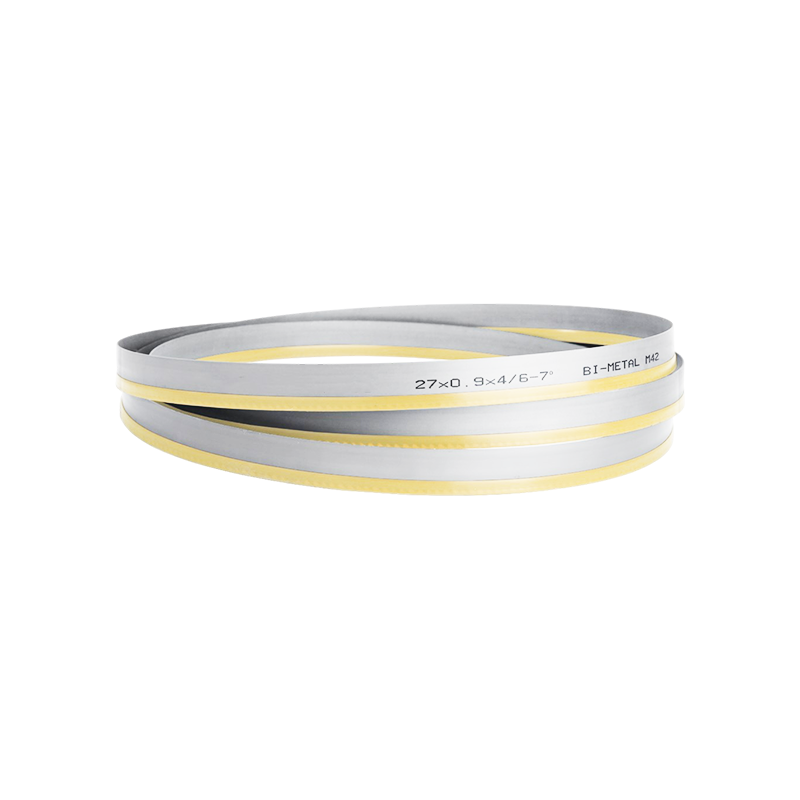
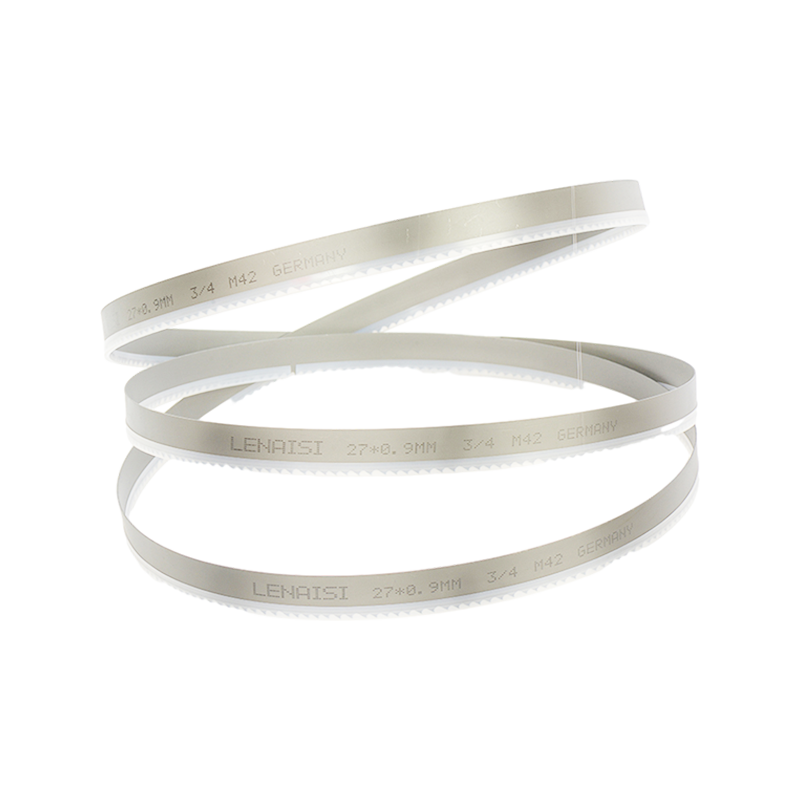
Stainless steel is widely used in fabrication, equipment manufacturing, and industrial processing, but it can present a different cutting challenge from ordinary carbon steel. Its work-hardening behavior, heat generation, and resistance to machining can place additional demands on the blade and the cutting process. For workshops and procurement teams, selecting a suitable M42 Bi-metal band saw blade is therefore not simply a matter of choosing a harder tooth. Blade geometry, tooth pitch, machine settings, cooling conditions, and workpiece dimensions all need to work together. Work Hardening Changes the Cutting Condition One reason stainless steel can be difficult to saw is its tendency to harden when the cutting process is not properly controlled. Repeated rubbing or insufficient tooth penetration can create a harder surface layer, making subsequent tooth engagement more demanding. This is why a blade should cut effectively rather than simply contact the workpiece. A suitable tooth form and cutting condition can help the teeth maintain proper engagement with the material instead of spending excessive energy rubbing against the surface. For engineers, recurring surface hardening can therefore be a sign that the complete cutting setup deserves review. Tooth Geometry Has a Direct Role M42 bi-metal blades are available with different tooth forms and rake configurations for different cutting applications. Positive-rake designs are commonly used for solid materials and difficult-to-machine metals, while variable-pitch configurations can help address vibration and changing tooth engagement. For stainless steel applications, buyers should consider the actual workpiece rather than selecting a blade based only on the word "M42." Tube, solid bar, plate, and structural sections can require different tooth arrangements. A professional supplier should therefore evaluate the cutting application before recommending a specific blade specification. Match the Pitch to the Section Tooth pitch remains important when cutting stainless steel, but the correct choice depends heavily on the material cross-section. A blade suitable for a large solid bar may not be the right choice for thin-walled tubing. Variable-pitch teeth are frequently used where vibration control is important. Different tooth pitches allow manufacturers to match the blade more closely to the dimensions and geometry of the workpiece. Technical guidance from band saw manufacturers similarly recommends selecting TPI primarily according to material cross-section and then considering the material itself. For purchasing teams, providing actual workpiece dimensions is therefore much more useful than simply requesting a "stainless steel blade." Avoid Relying on Blade Hardness Alone It can be tempting to assume that a harder blade will automatically solve difficult cutting problems. In practice, blade performance depends on the interaction between tooth material, backing material, tooth geometry, and operating conditions. M42 bi-metal construction combines M42 high-speed-steel tooth tips with a flexible backing material. Commercial products use this construction for steel, stainless steel, and other demanding metal-cutting applications. As a manufacturer, we focus on the balance between cutting-edge hardness and the mechanical requirements of the complete blade rather than treating hardness as the only performance indicator. Cutting Parameters Still Matter Even a properly selected blade can perform poorly when machine settings are unsuitable. Excessive feed pressure, incorrect blade speed, inadequate break-in, poor tension, or insufficient coolant can influence tooth wear and cutting stability. When a customer reports rapid blade wear, we recommend checking the complete cutting process before changing to a different blade specification. This approach can help distinguish between a product-selection problem and an operating-condition problem. For industrial users, diagnosing the cause is often more useful than repeatedly changing blades without adjusting the underlying process. Build a Stainless Steel Cutting Specification For regular production, purchasing teams can make blade selection easier by establishing a basic specification for each stainless steel application. Useful information includes: Stainless steel grade and approximate hardness Workpiece shape and cross-section Material dimensions Saw machine model Current blade width and thickness Existing tooth pitch and tooth form Cutting speed and feed conditions Coolant or lubrication method This information allows a manufacturer to recommend a blade based on the actual cutting environment and makes repeat purchasing more consistent. Turn Blade Selection Into Process Control A reliable stainless steel sawing process requires more than a suitable consumable. Engineers need to consider material behavior, tooth geometry, pitch, machine settings, cooling, and blade condition as connected factors. This application-based approach is also useful for distributors supporting customers with different cutting requirements. For overseas buyers, working with an experienced M42 Bi-metal band saw blade manufacturer can make this process more structured. By matching M42 tooth technology and blade geometry with the actual stainless steel application, buyers can select a practical cutting solution instead of relying on a one-size-fits-all specification.
 READ MORE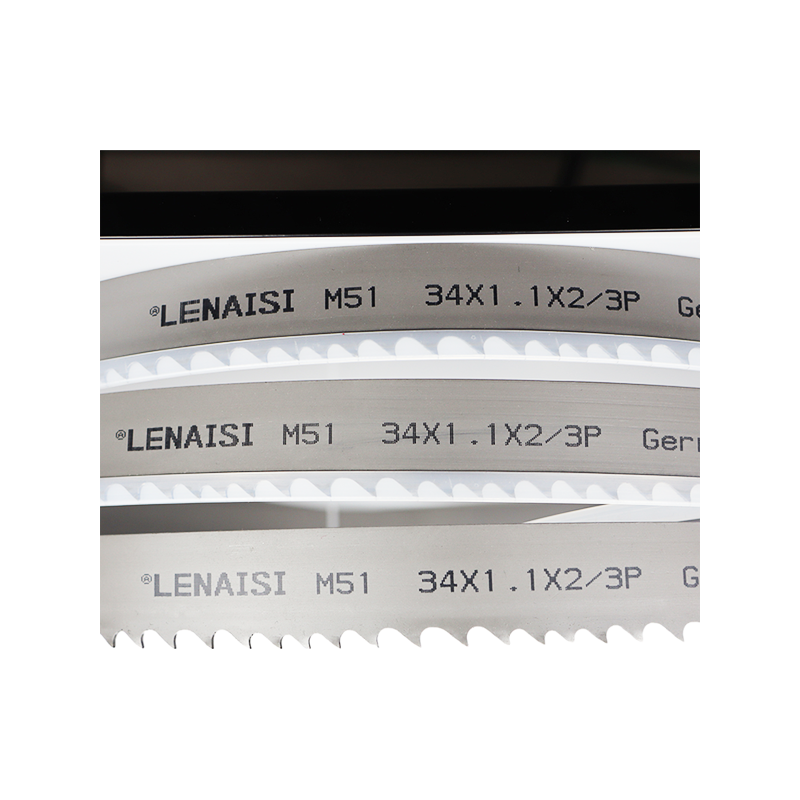

 CONTACT US