


 english
 Русский
 Español
 Русский
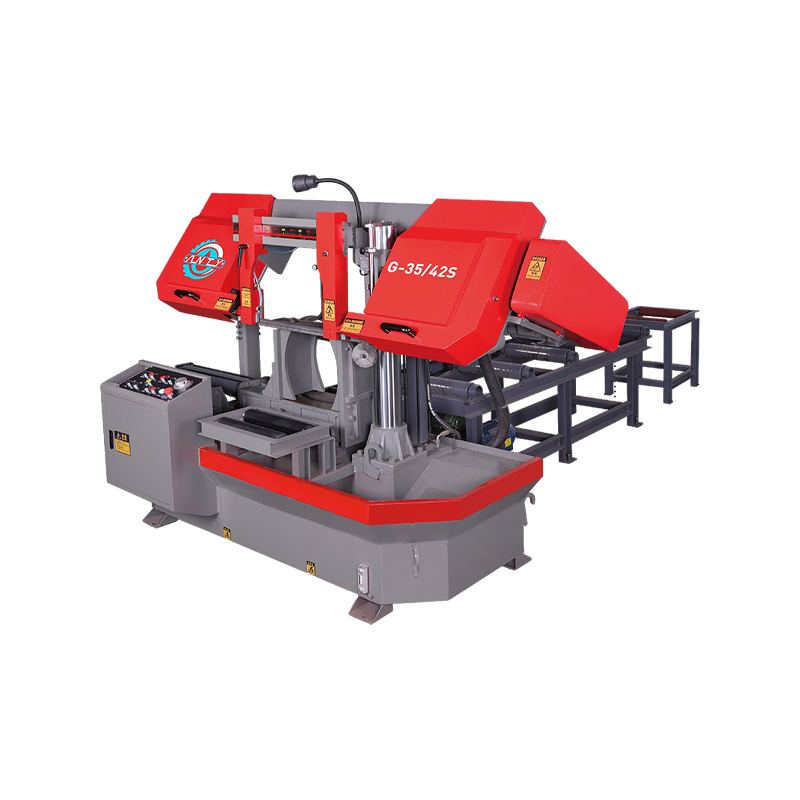
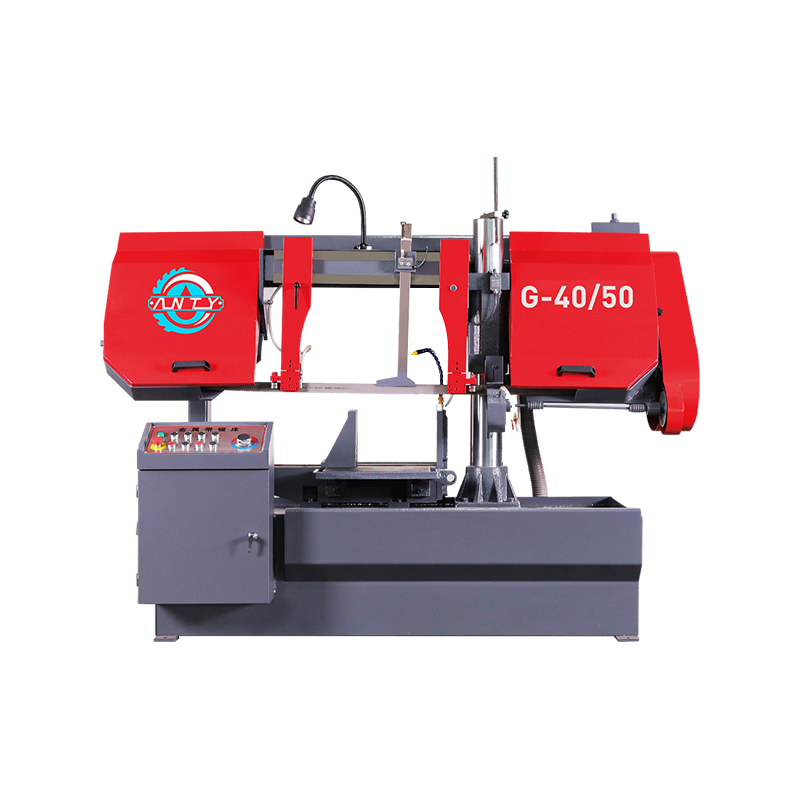
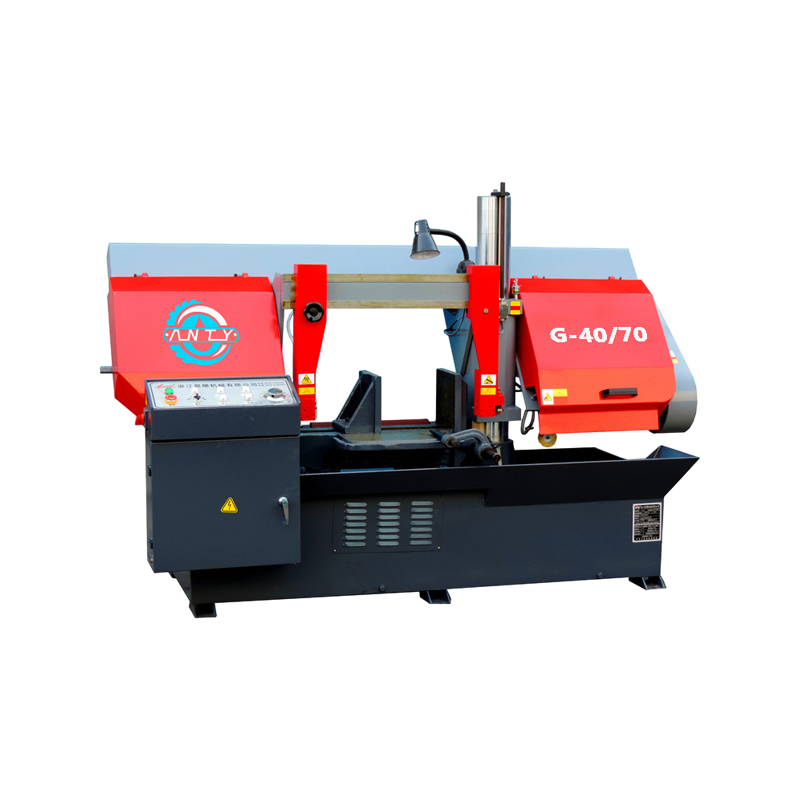
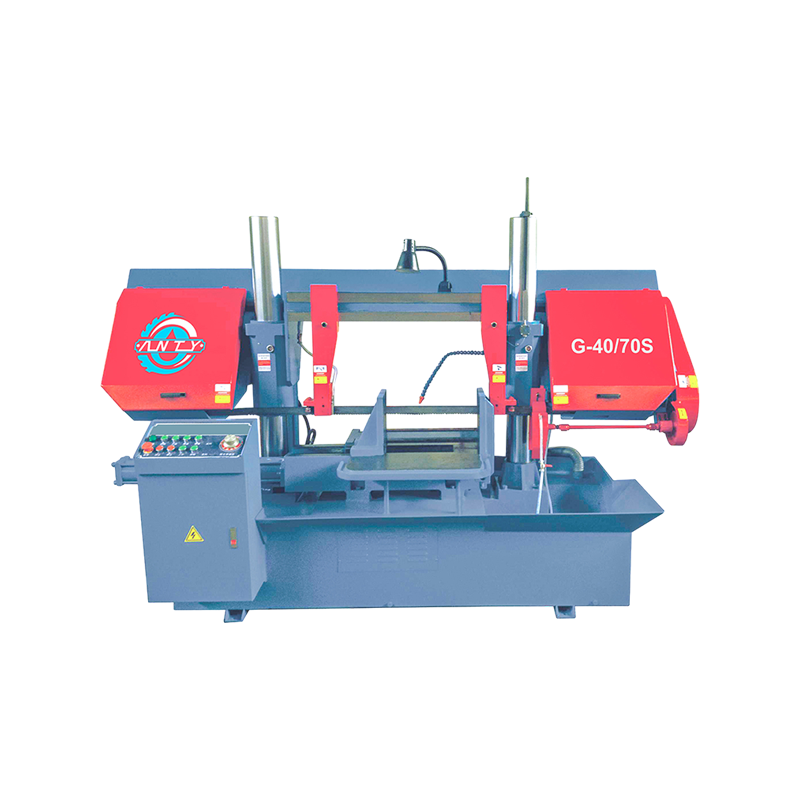
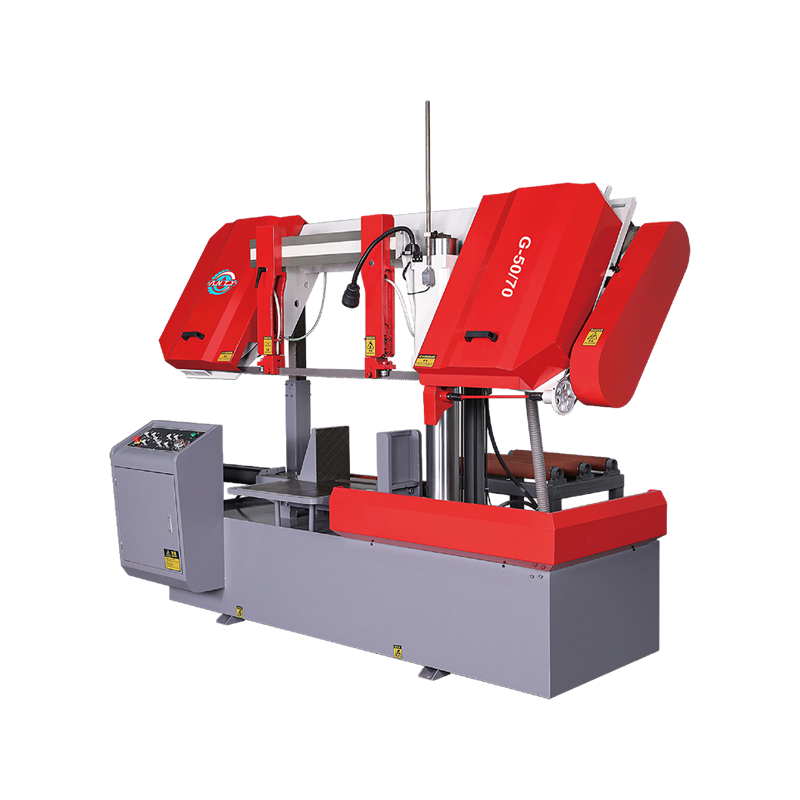
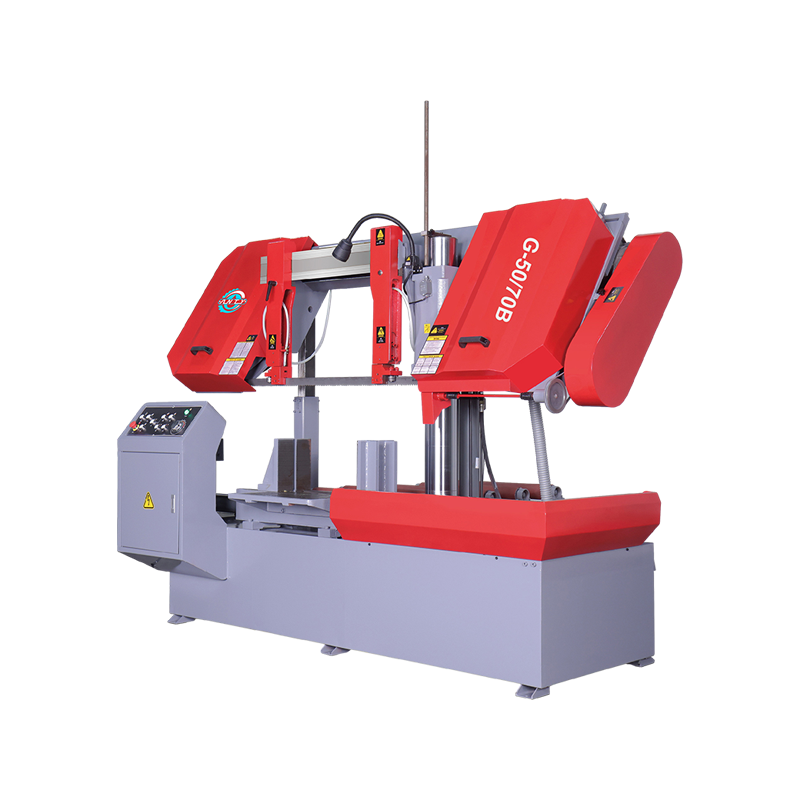
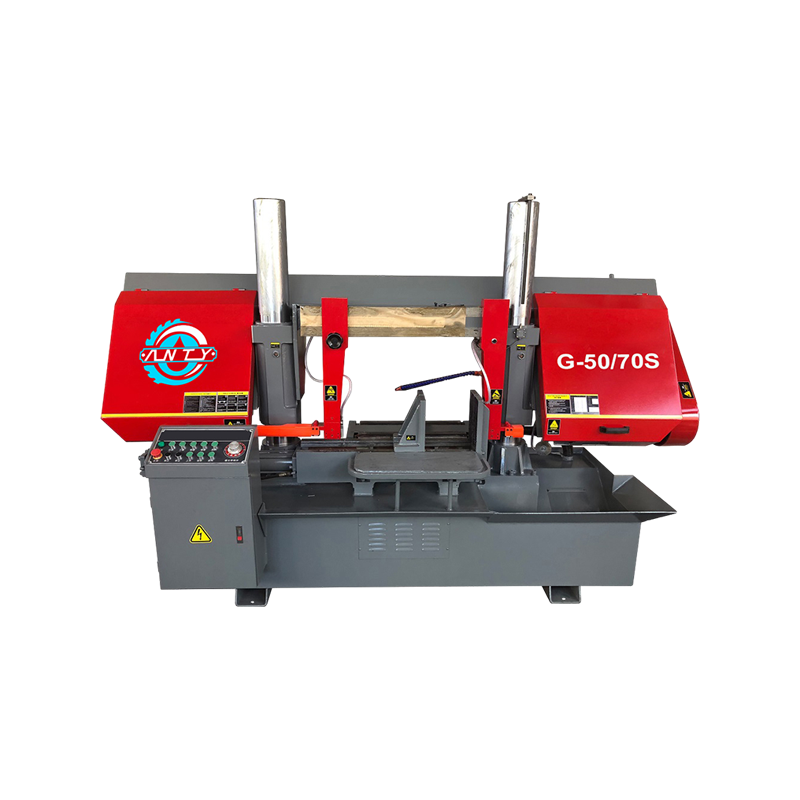


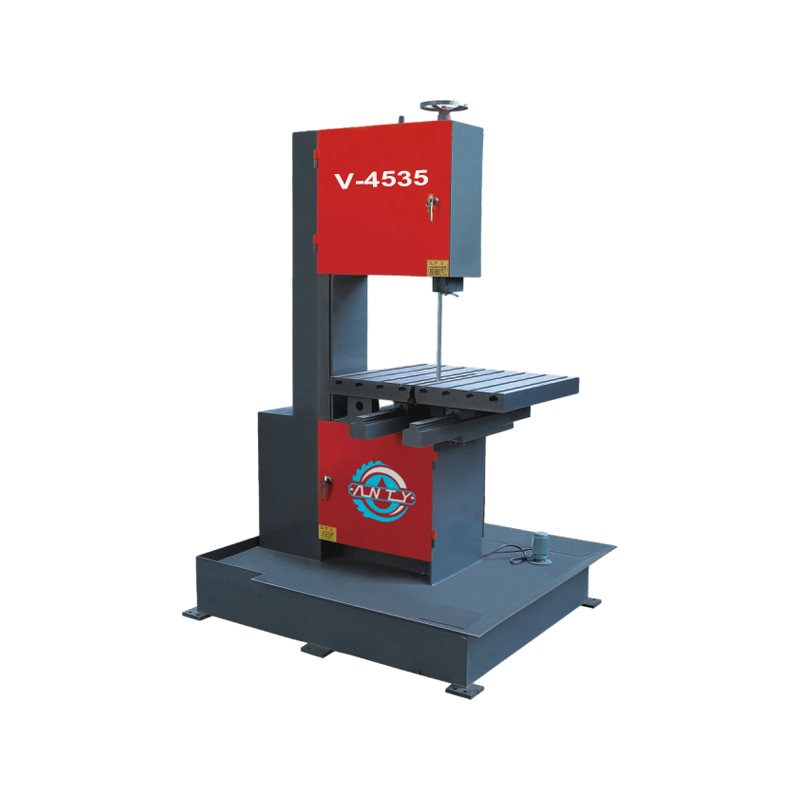
How Can a Vertical Metal Band Sawing Machine Handle Different Workpiece Shapes?
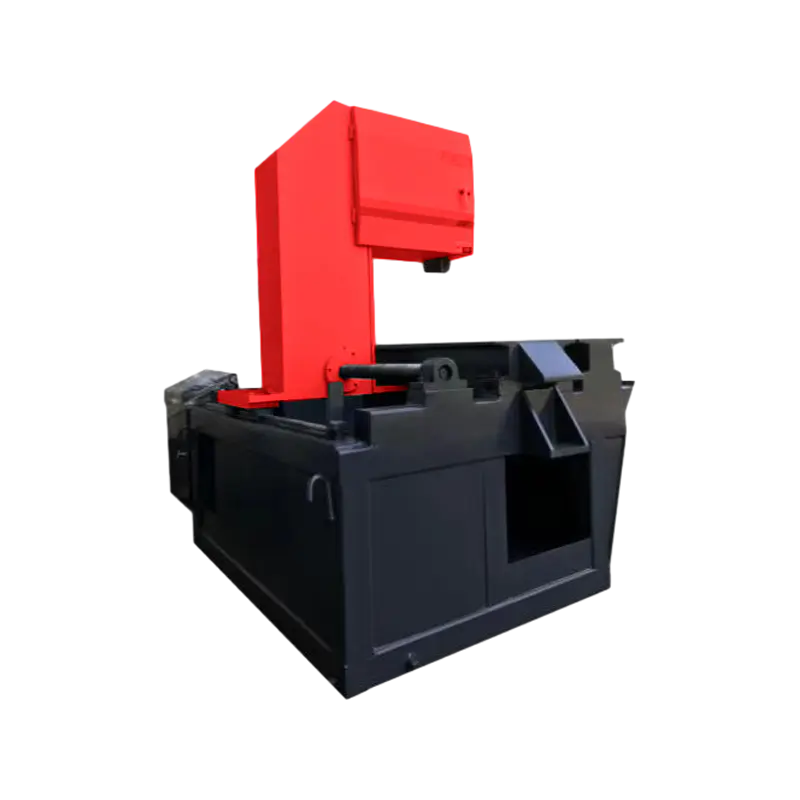
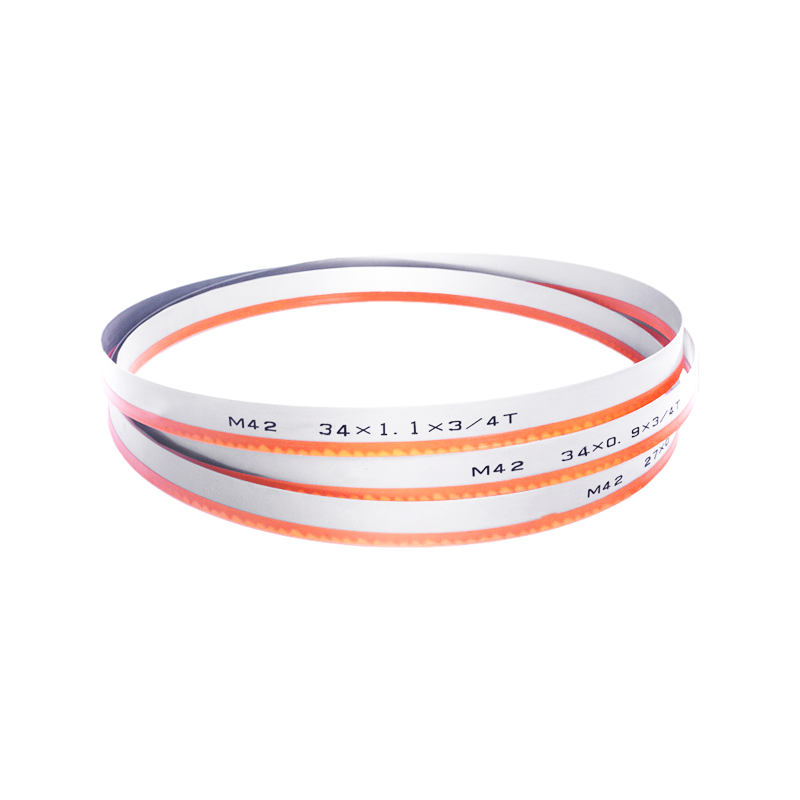
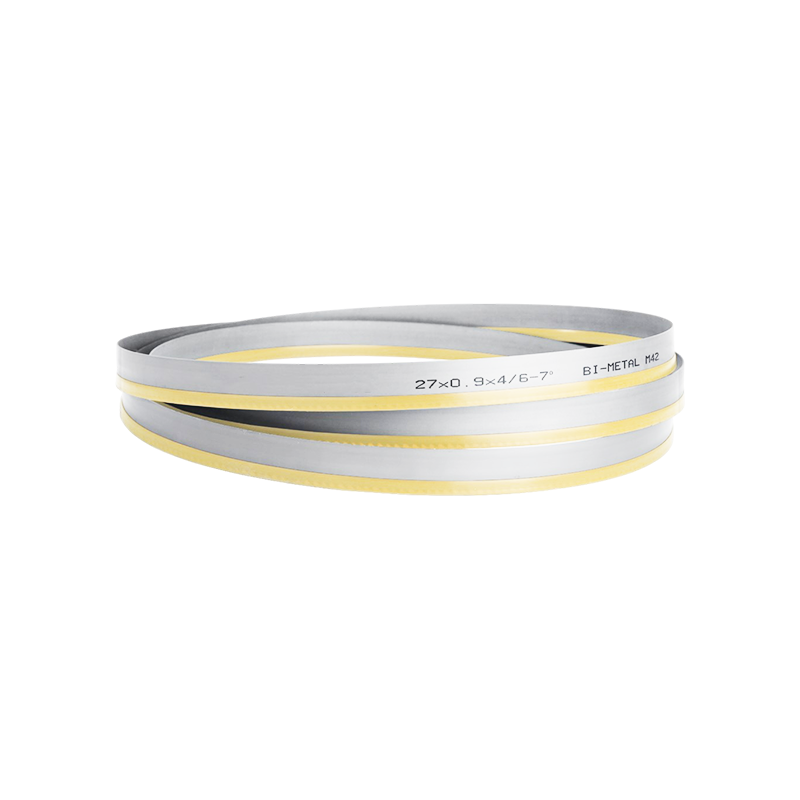
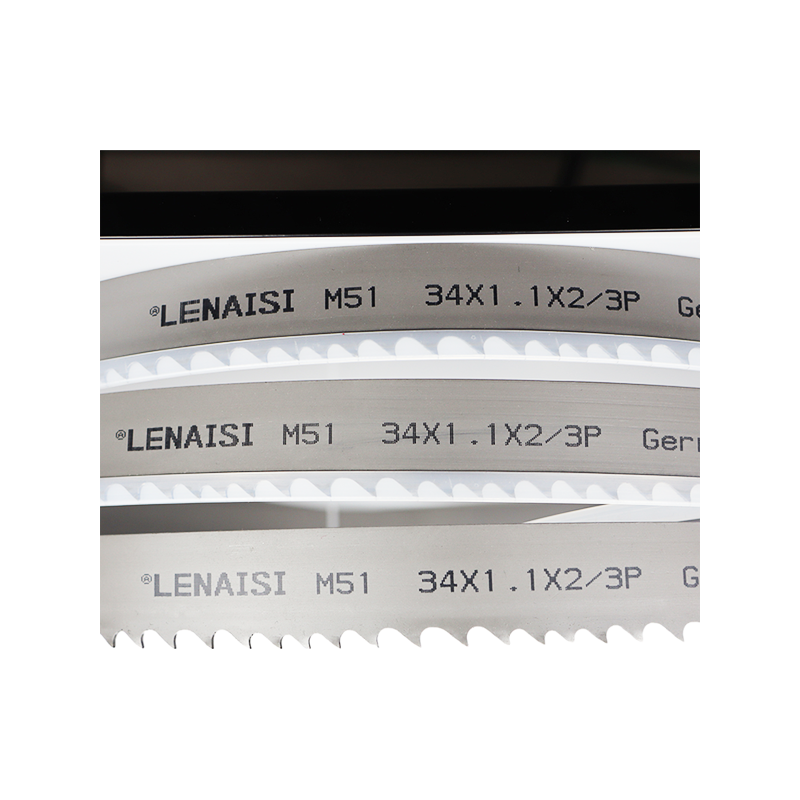
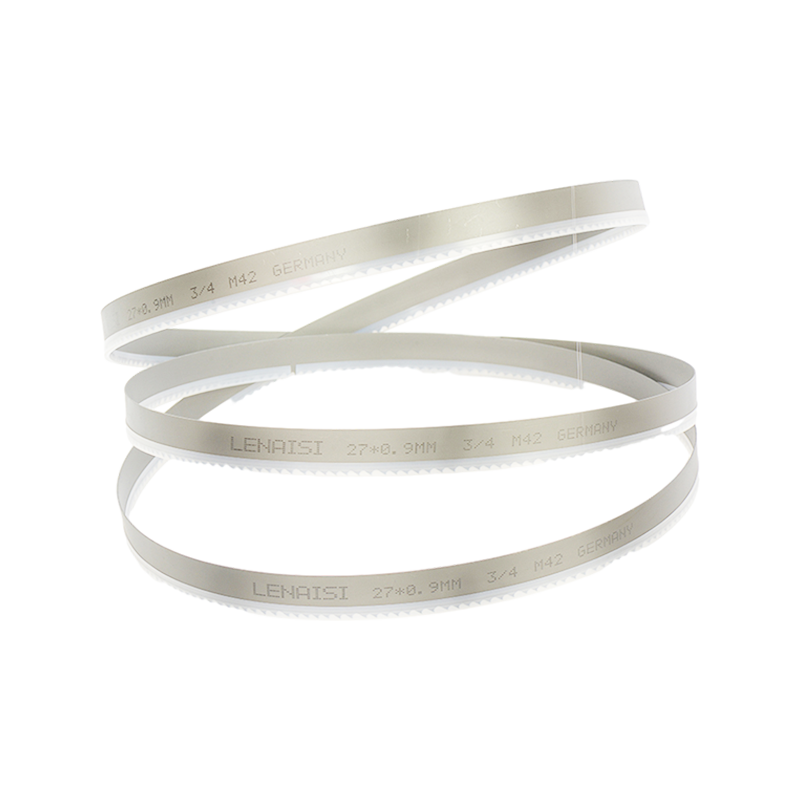
Metal fabrication rarely involves one uniform workpiece throughout the production process. Workshops may need to cut flat plates, narrow strips, solid sections, or components with irregular outlines. Each shape creates different requirements for positioning, blade movement, and operator access. A Vertical metal band sawing machine can be useful for applications that require controlled cutting along a vertical blade path, but its suitability depends on the workpiece geometry and machine configuration. For overseas buyers, understanding these factors helps avoid equipment choices that limit production flexibility. Workpiece Geometry Should Guide Machine Selection The dimensions of a workpiece are only part of the selection process. Its shape, thickness, weight, and intended cutting path can also influence the required machine arrangement. A large plate may need adequate table support, while a small component may require a fixture that keeps it stable during cutting. Manufacturers should consider the types of materials customers process frequently when defining the machine's working area and capacity. Buyers should provide representative workpiece drawings or samples where possible, especially when their production includes irregular shapes or frequent changes between jobs. This information helps establish whether a standard machine configuration is suitable or whether additional support equipment may be necessary. Table Design Supports Controlled Material Movement A vertical band sawing machine relies on a working table that allows the operator to position and guide the material along the intended cutting path. The table's dimensions, surface condition, and available working space can influence handling efficiency. When processing larger panels or long sections, additional support may be needed to prevent the material from tipping or placing uneven pressure on the cutting area. Smaller workpieces may require dedicated fixtures to maintain a stable position and keep hands away from the blade. Manufacturers should evaluate table design alongside the machine's cutting capacity. Buyers should also consider the space available around the equipment and whether operators can move typical workpieces safely throughout the cutting process. Blade Choice Must Match the Cutting Task Blade selection affects how the machine handles different materials and shapes. Blade width, tooth pitch, and construction should correspond to the material type, section thickness, and required cutting path. A narrow blade may be suitable for certain curved cuts, while a wider blade can provide greater support for appropriate straight-cutting applications. The correct choice depends on the machine's specifications and the geometry of the workpiece. Before purchasing a Vertical metal band sawing machine, buyers should confirm the supported blade dimensions and adjustment range. They should also establish which materials and cutting tasks will be common, rather than assuming that one blade configuration will suit every job. What Should Buyers Check Before Processing Irregular Parts? Irregular workpieces can be more difficult to position because their contact surfaces may be uneven or their center of gravity may not align with the cutting area. A clear setup procedure helps operators identify potential movement before cutting begins. Important checks include: Whether the workpiece sits securely on the table Whether additional fixtures or supports are required Whether the planned cutting path provides adequate clearance Whether the selected blade suits the material and contour Whether the finished part can be removed safely Whether the machine's capacity accommodates the complete workpiece These checks help reduce setup uncertainty and make it easier to determine whether the proposed machine configuration fits the actual production task. Machine Stability Influences Cutting Consistency Vibration, blade misalignment, and inconsistent workpiece support can affect the quality of a cut. When operators process different shapes throughout the day, changes in setup can introduce additional variation if the machine is not adjusted correctly. Manufacturers should pay attention to frame rigidity, blade guidance, adjustment mechanisms, and the accuracy of assembled components. Buyers can ask about blade tension adjustment, guide maintenance, and the procedures recommended when changing between cutting tasks. A stable machine does not remove the need for correct operation, but it provides a foundation for repeatable cutting when the equipment is properly configured and maintained. Flexible Production Requires Practical Maintenance Frequent changes in workpiece shape may involve repeated adjustments, fixture changes, and blade inspections. If these tasks are difficult to perform, setup can become less convenient and maintenance may be overlooked. Accessible blade guides, clear adjustment points, and straightforward cleaning procedures can help operators manage routine work. A maintenance plan should include checking blade condition, removing accumulated chips, inspecting guide components, and confirming that clamping devices operate correctly. Manufacturers should provide operating and maintenance instructions that reflect the machine's actual design. Buyers can review these requirements before purchasing to understand the ongoing work needed to keep the equipment ready for production. Choose the Configuration Around Real Production Needs A suitable sawing machine should accommodate the workpiece shapes, cutting paths, material types, and handling methods found in the intended workshop. Table design, blade compatibility, machine stability, and maintenance access all contribute to that decision. For overseas fabrication companies and procurement teams, working directly with a Vertical metal band sawing machine manufacturer makes it easier to discuss representative workpieces and confirm the appropriate configuration. By matching equipment capabilities with real cutting tasks, buyers can select machinery that supports a broader range of fabrication work without overlooking practical operating requirements.
 READ MORE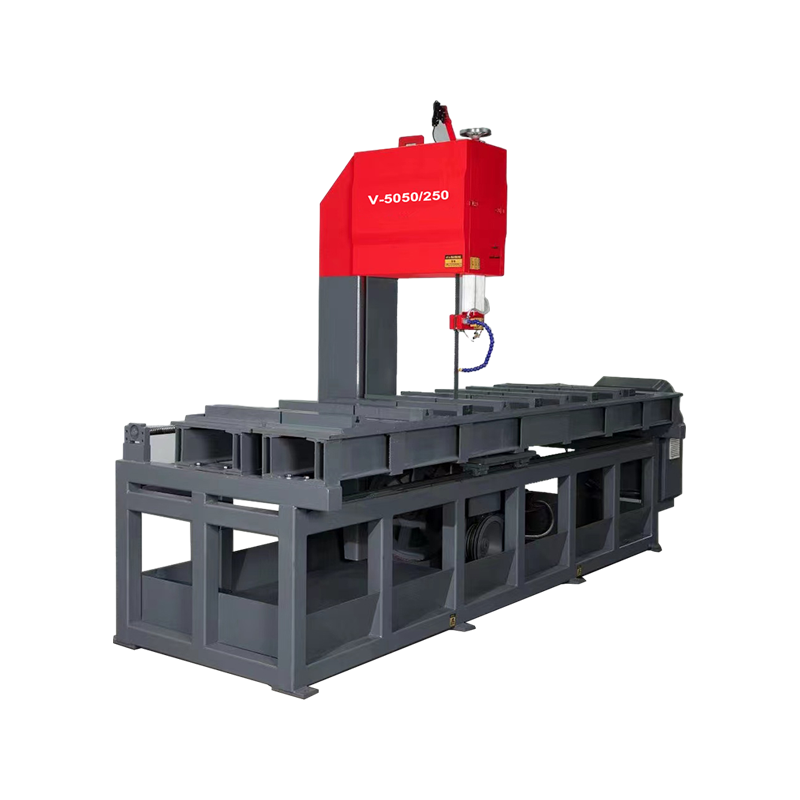

 CONTACT US